Japanese Month Names: The Meaning Behind Each Month of the Year
In English, the months carry the names of Roman gods and emperors. In Japan, they once carried the weather, the rice fields and the quiet changes of the year.
These old names are called 和風月名, wafū getsumei, the Japanese-style month names. They come from the lunar calendar Japan used before 1873, when the country moved to the Gregorian calendar. Today most people simply say ichigatsu, nigatsu, “first month, second month.” But the old names never disappeared. They live on in poetry, in letters, in seasonal greetings, and on calendars made for people who like to notice the year as it passes.
One thing to know before you read them: because the lunar calendar ran roughly a month later than ours, some names describe a season that feels a little early. Hazuki, “the month of leaves,” falls in August, when the leaves were once already turning. The names follow the old sky, not the new one.

The twelve months at a glance
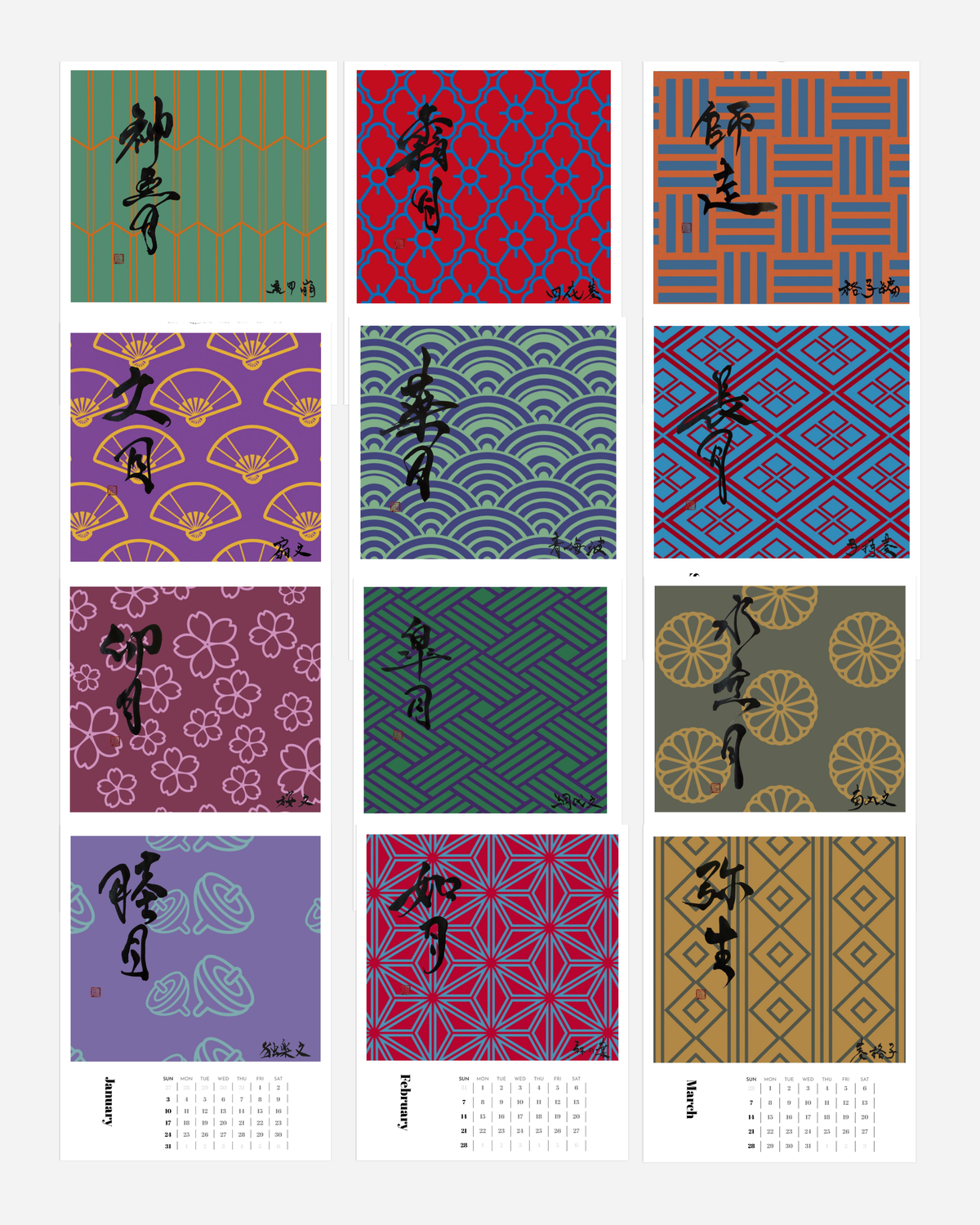
| Japanese | Reading | Month |
|---|---|---|
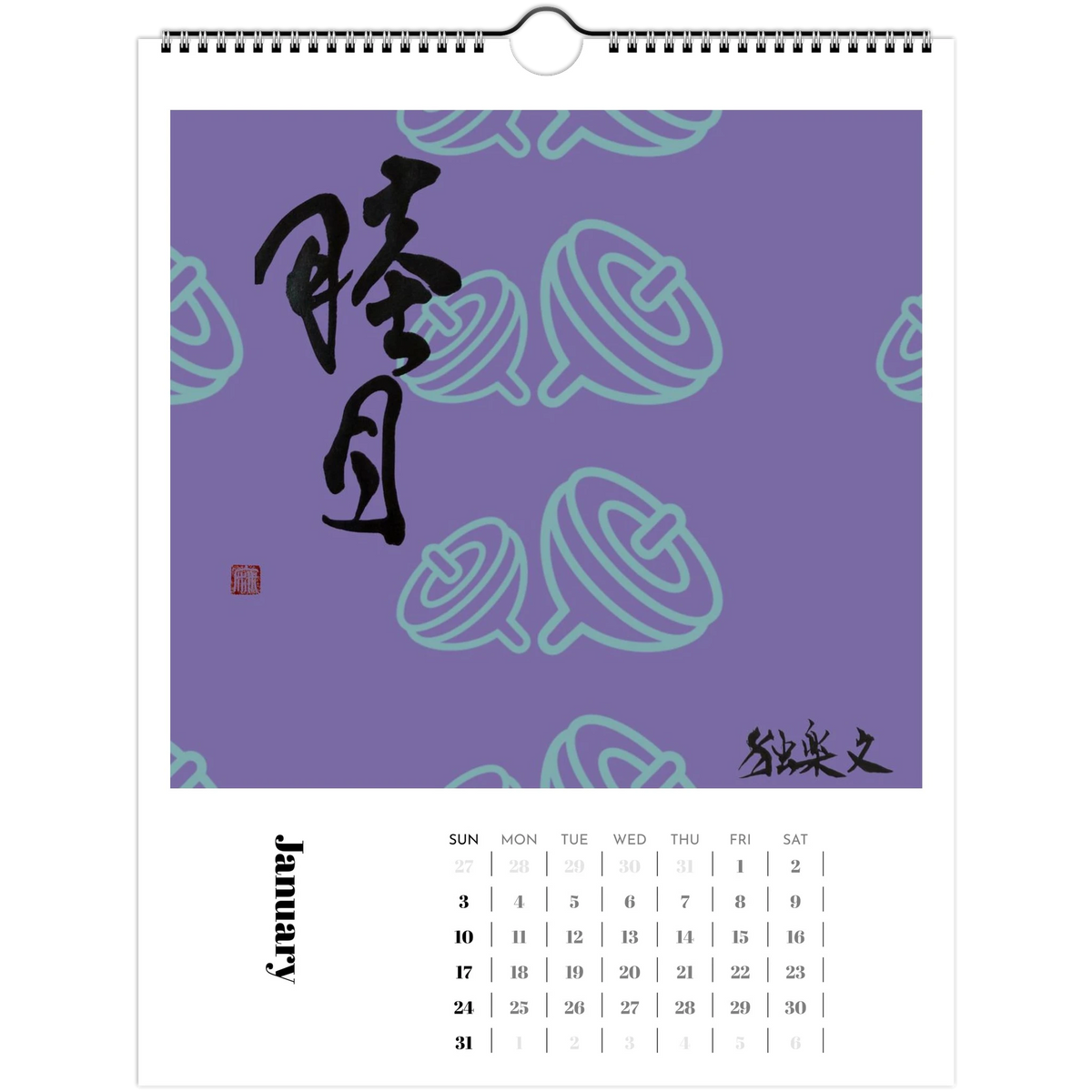
| 睦月 | Mutsuki | January |
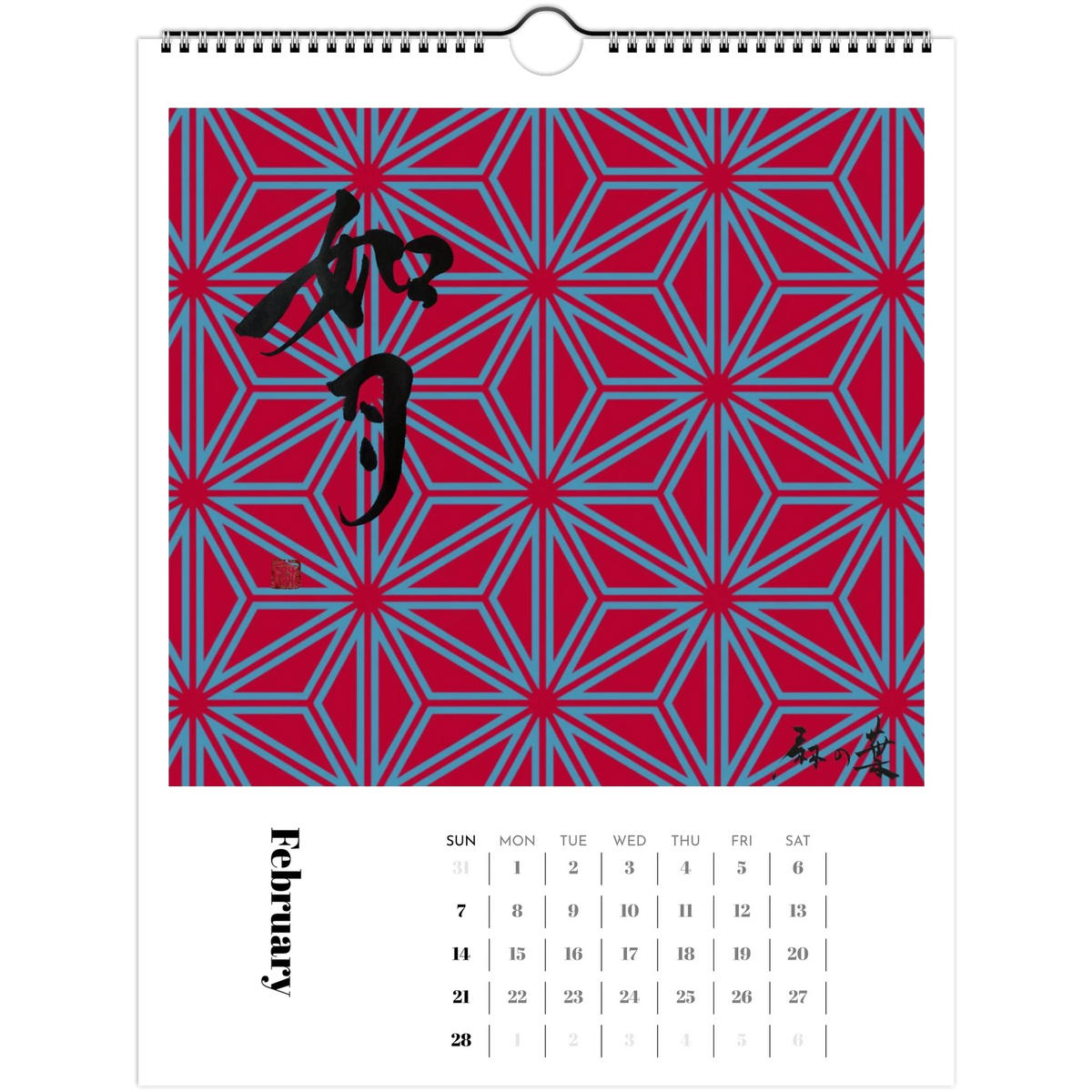
| 如月 | Kisaragi | February |
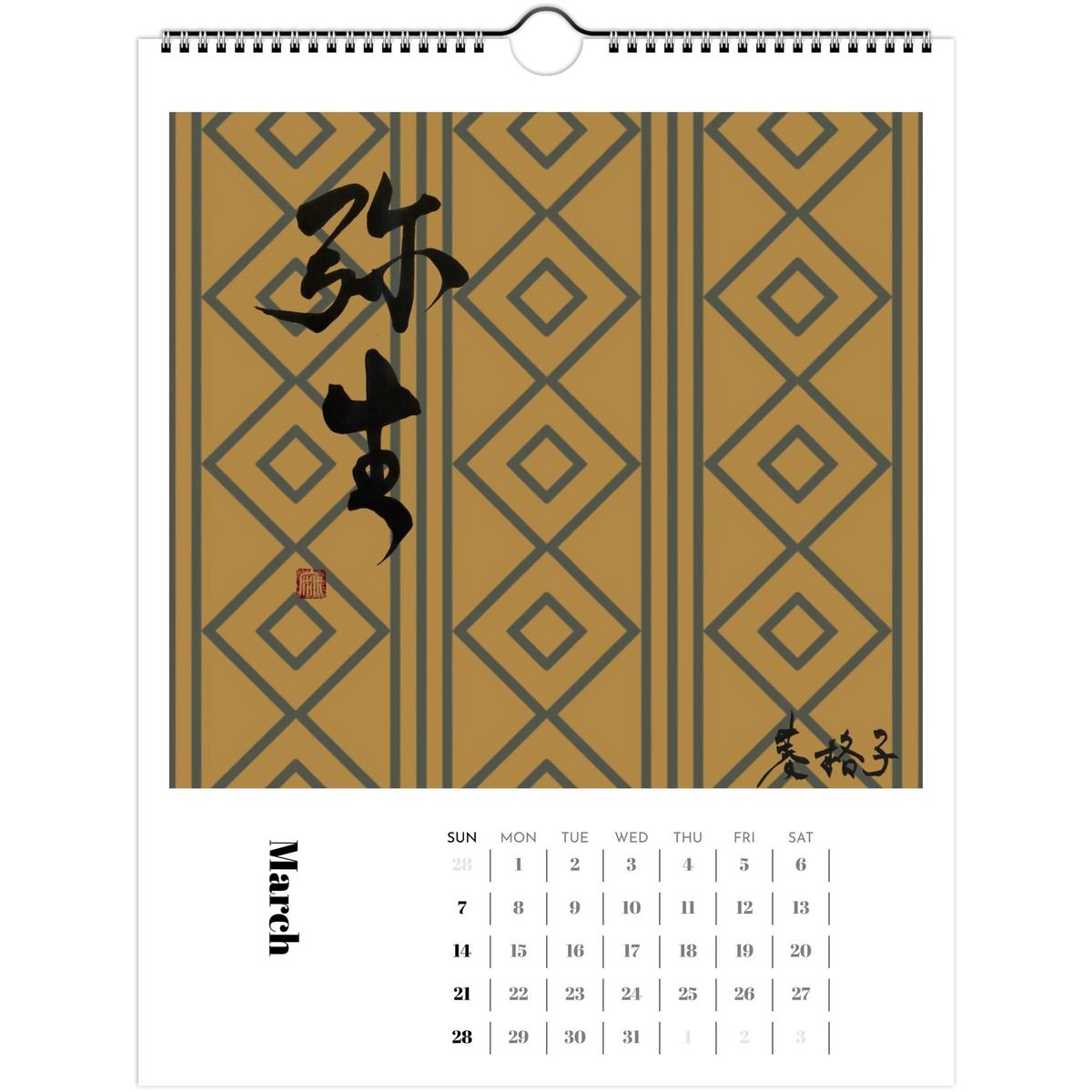
| 弥生 | Yayoi | March |
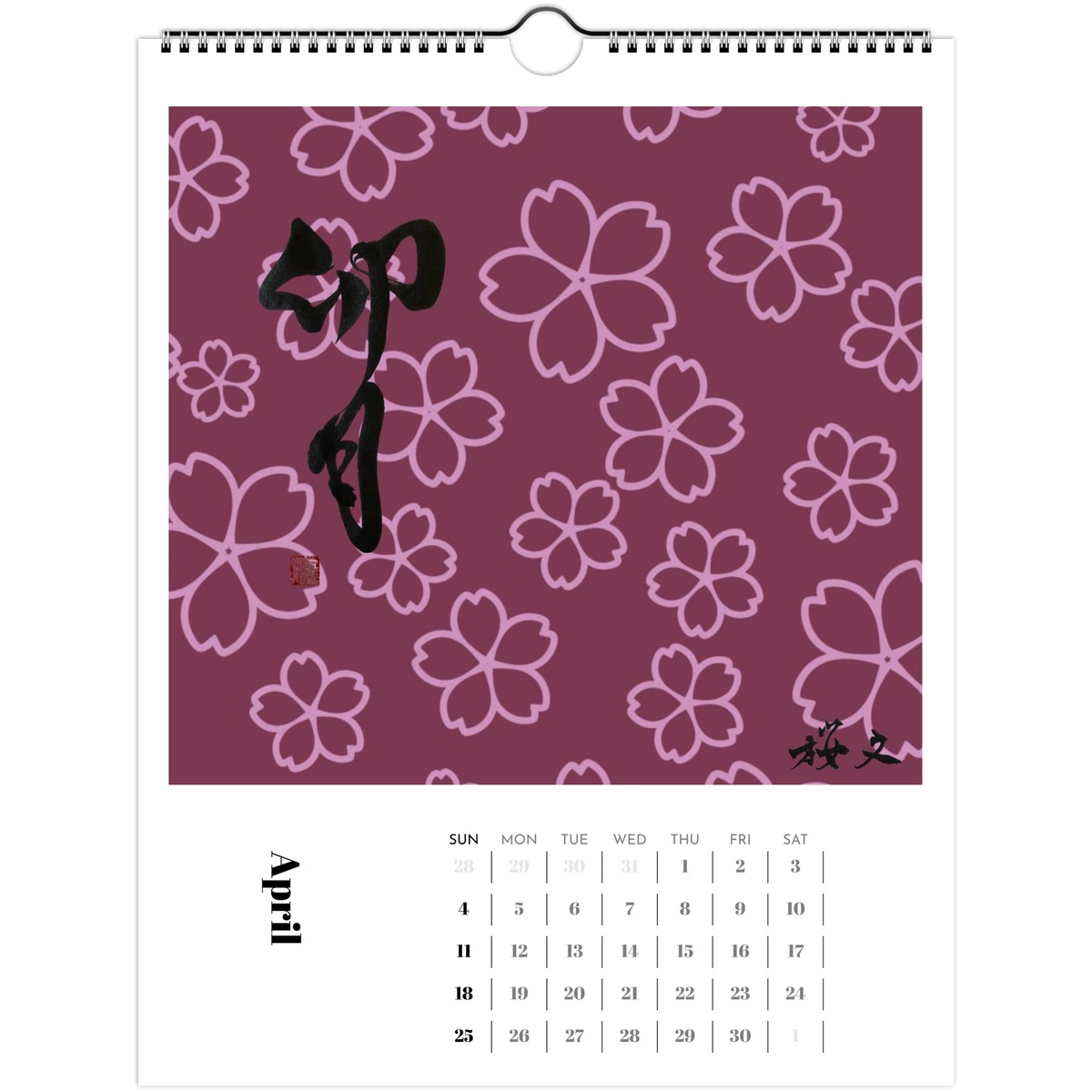
| 卯月 | Uzuki | April |
| 皐月 | Satsuki | May |
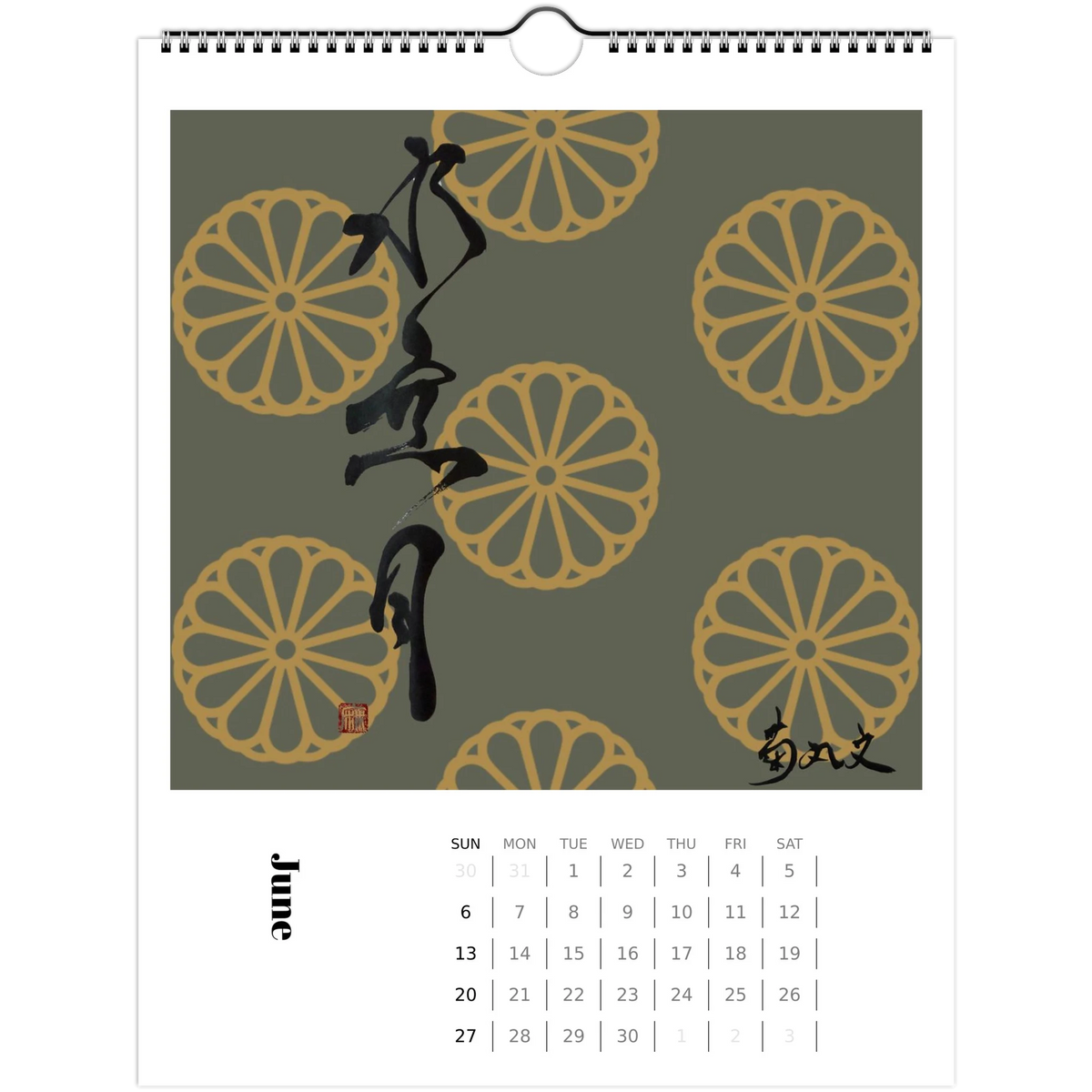
| 水無月 | Minazuki | June |
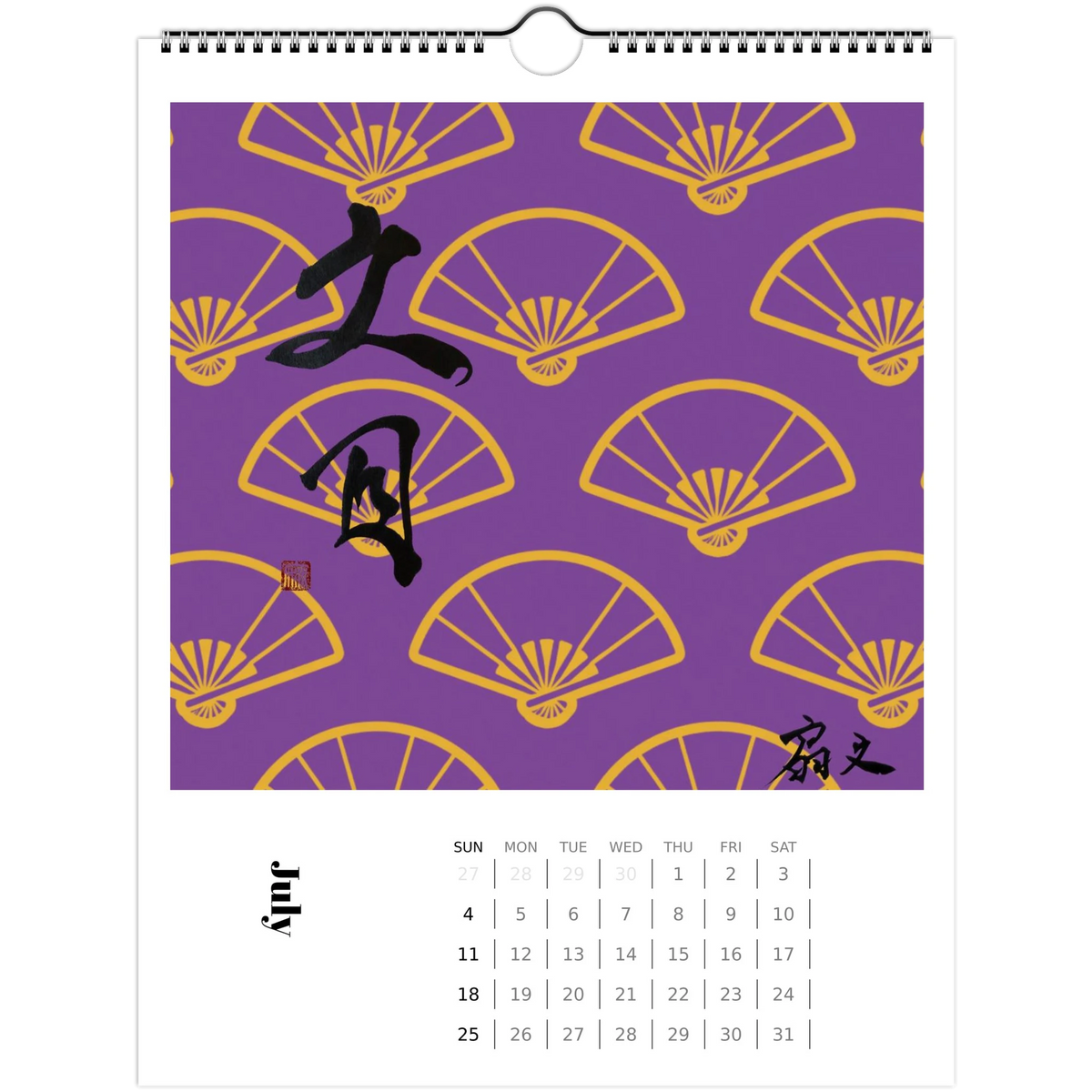
| 文月 | Fumizuki | July |
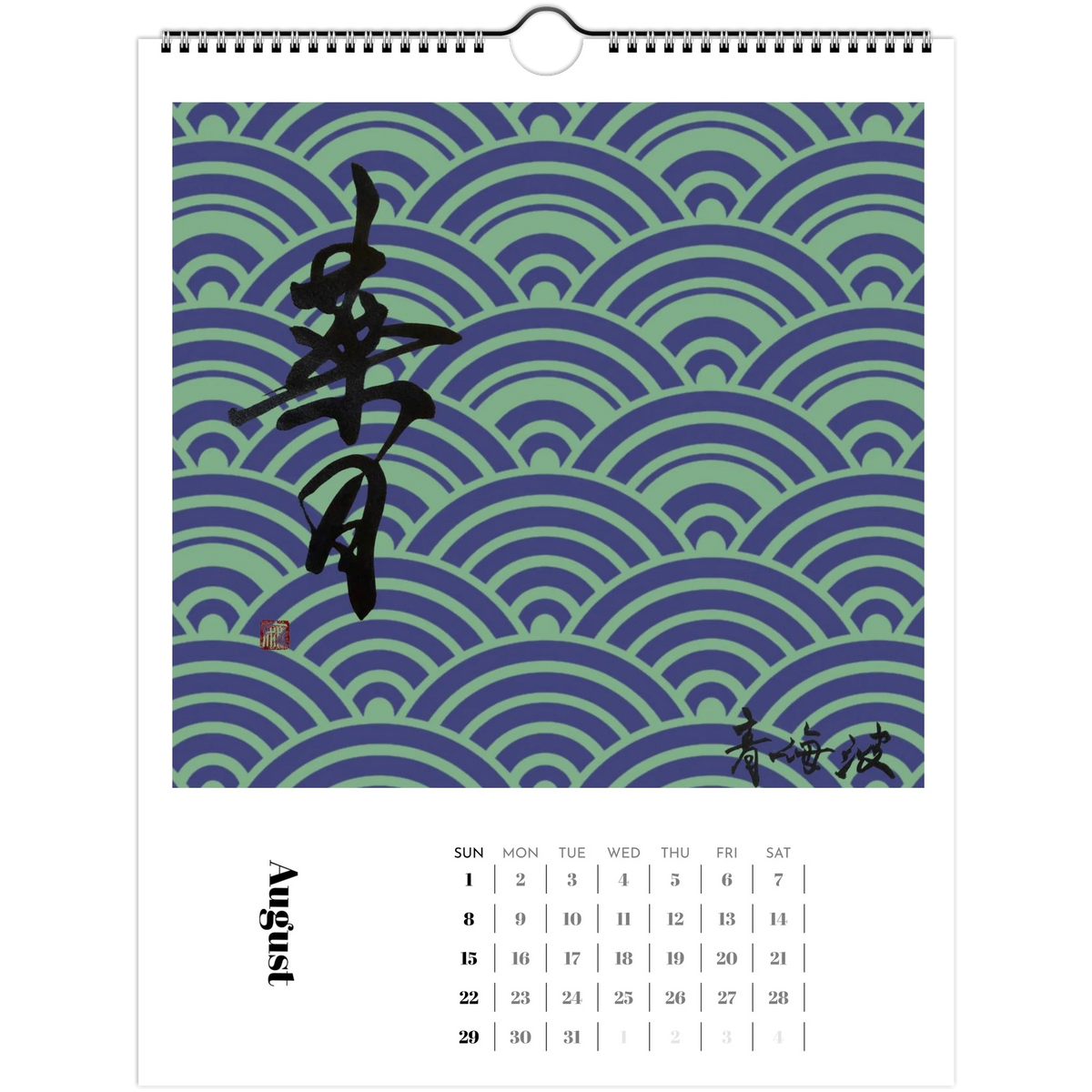
| 葉月 | Hazuki | August |
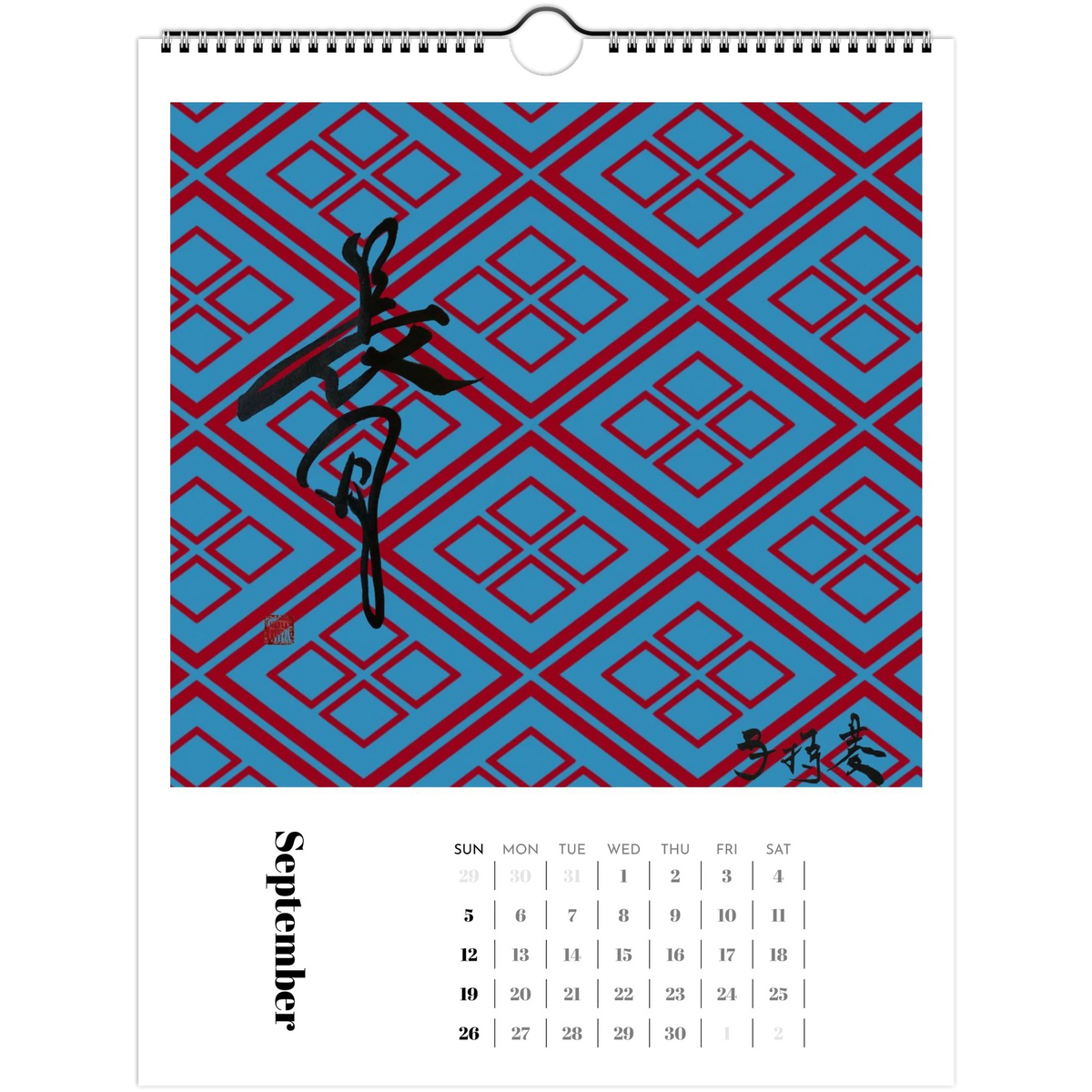
| 長月 | Nagatsuki | September |
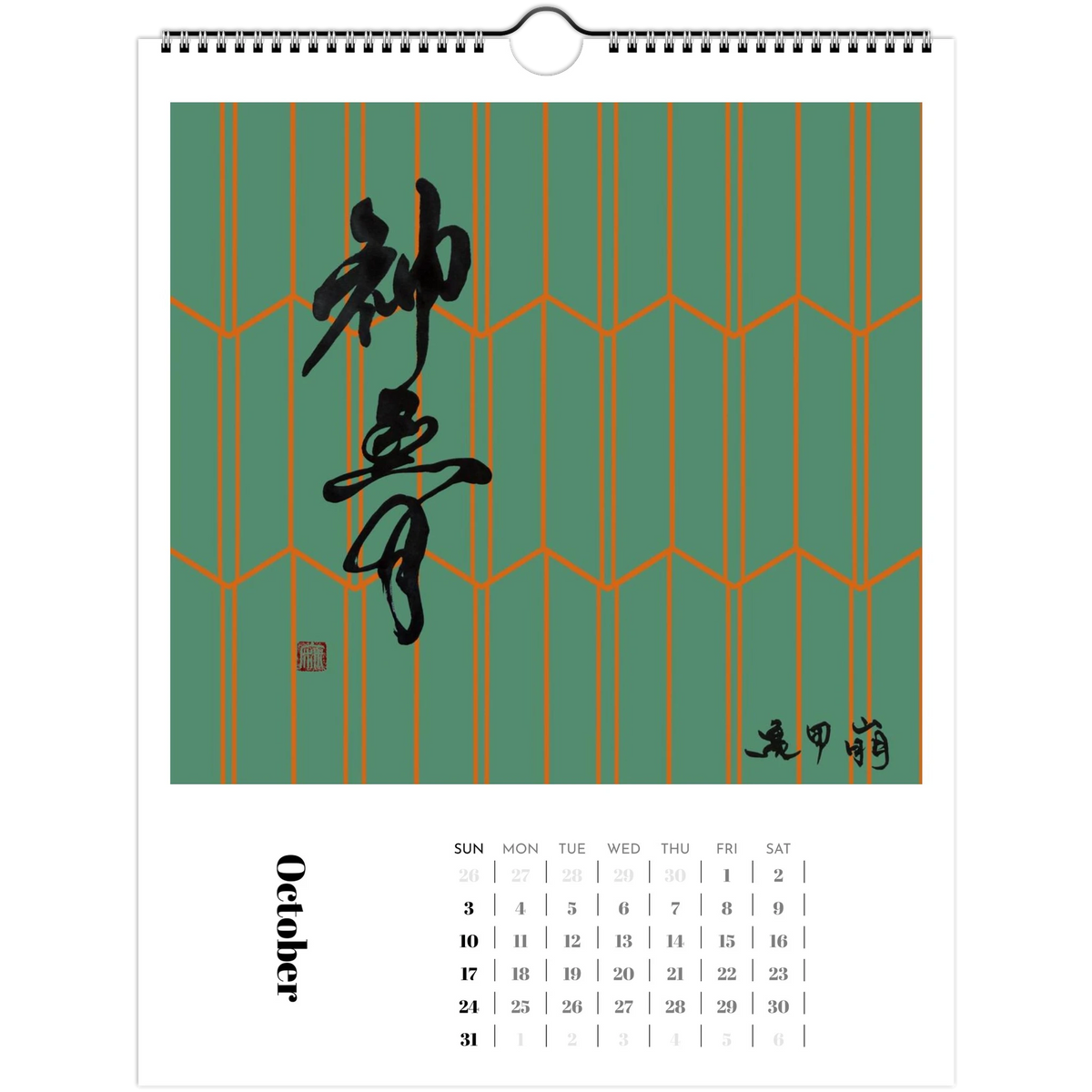
| 神無月 | Kannazuki | October |
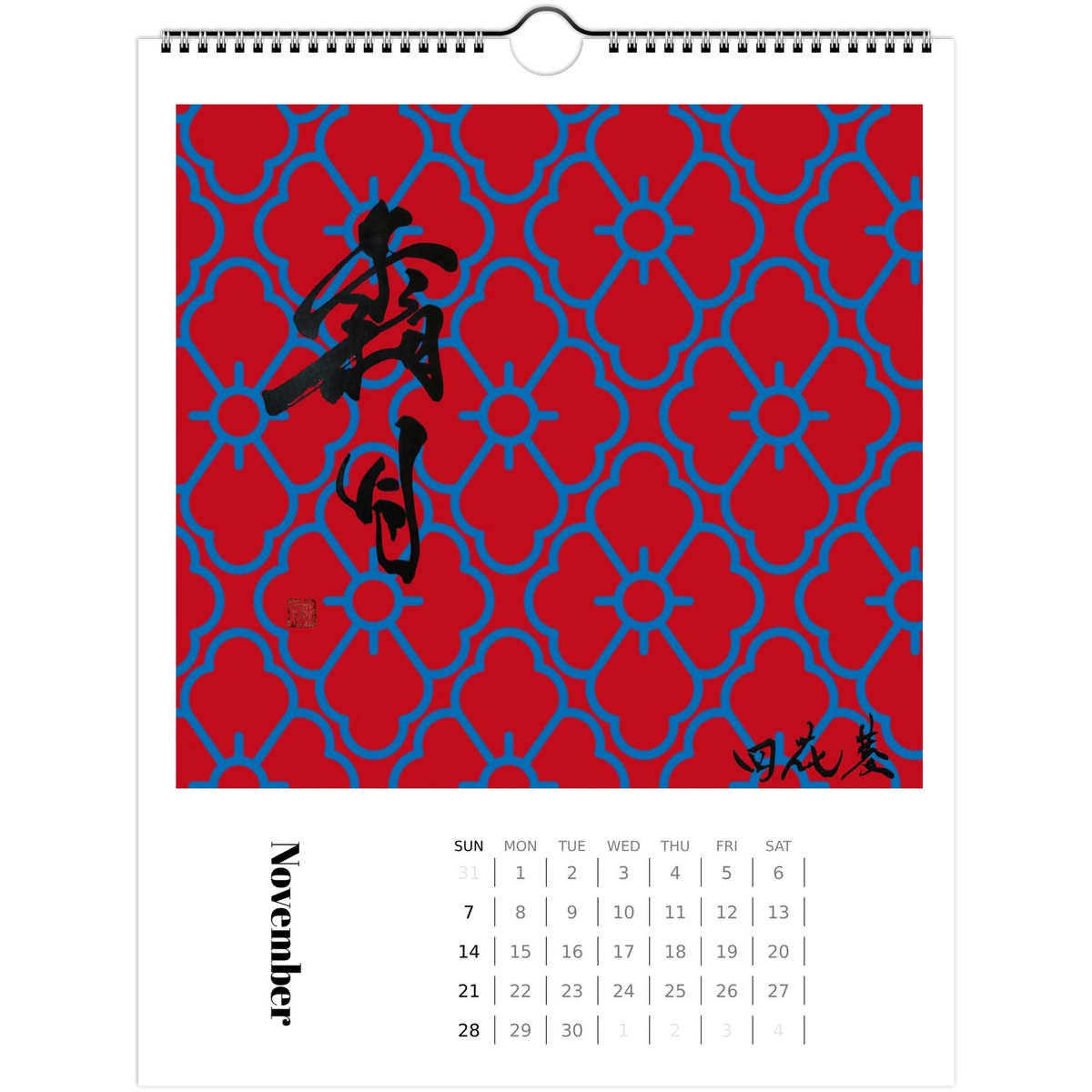
| 霜月 | Shimotsuki | November |
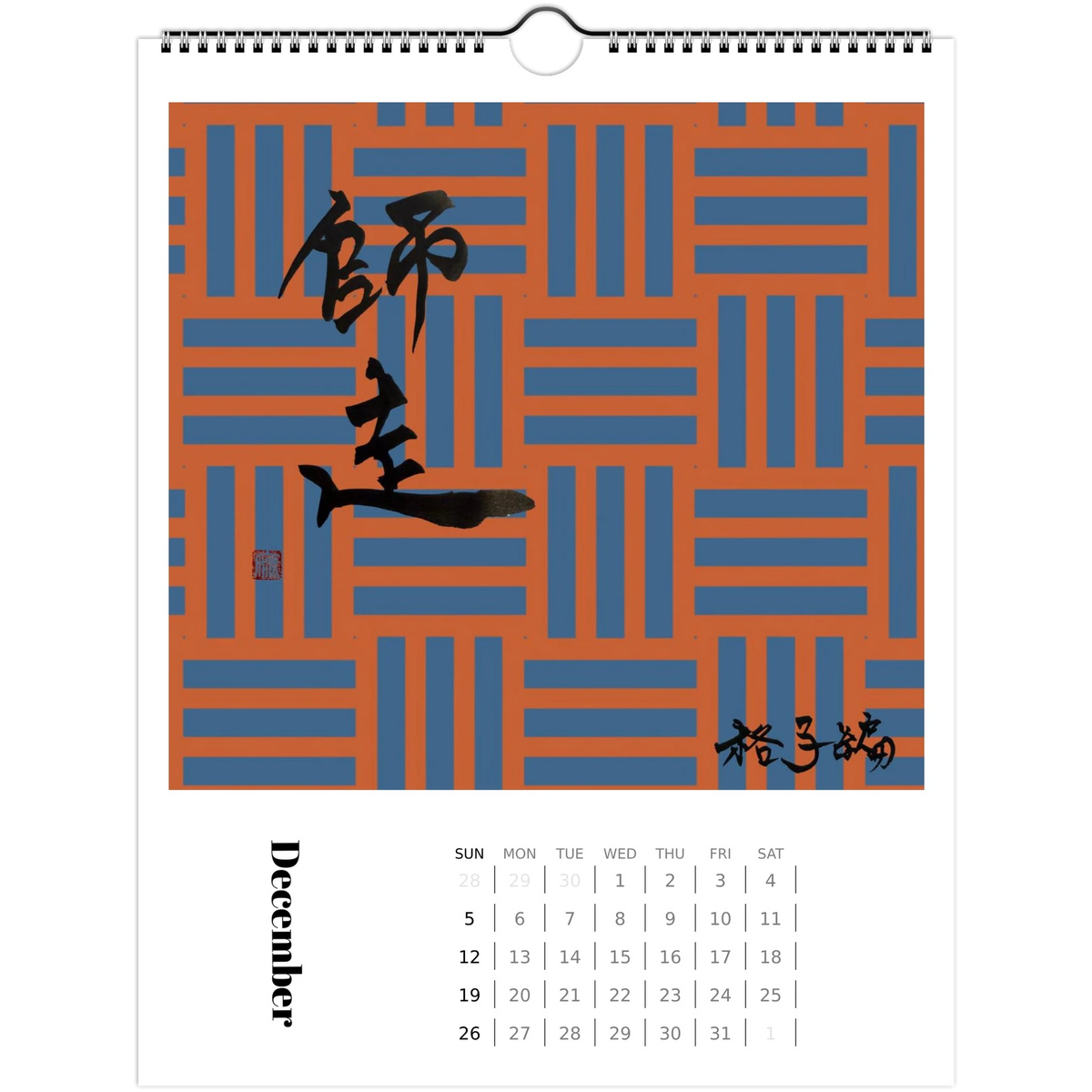
| 師走 | Shiwasu | December |
What each name means
Many of these names have more than one explanation, and scholars still debate their origins. Here are the readings most often given.
睦月 Mutsuki, January
The month of closeness. Families and friends gather for the New Year, and the name is often explained as the month when people come together in warmth.
如月 Kisaragi, February
Usually explained as 衣更着, “putting on another layer.” The cold lingers, and we wrap ourselves a little more.
弥生 Yayoi, March
“Growing ever more.” Buds swell, grasses rise, and life begins to move again.
卯月 Uzuki, April
Named for the unohana, a small white deutzia flower that blooms as spring turns toward summer.
皐月 Satsuki, May
The month of planting young rice. In the old calendar this fell in early summer, when the fields were first filled.
水無月 Minazuki, June
It looks like “the month without water,” but the 無 here is often read as an old form of の, making it “the month of water,” when the rice fields are flooded.
文月 Fumizuki, July
The month of letters. One explanation links it to Tanabata, when wishes and poems are written on strips of paper; another to the rice ears beginning to swell.
葉月 Hazuki, August
The month of leaves. In the old calendar this was early autumn, when leaves first began to fall.
長月 Nagatsuki, September
The month of long nights. Evenings stretch out, and there is more time for moon-viewing and quiet.
神無月 Kannazuki, October
“The month without gods.” Tradition says the gods of Japan gather at Izumo Taisha this month, so the rest of the country is without them. In Izumo, it is called 神在月, the month with gods.
霜月 Shimotsuki, November
The month of frost. The first cold mornings arrive, and the year begins to quiet.
師走 Shiwasu, December
“Teachers running.” The year-end is so busy that even teachers and monks, usually calm and unhurried, are said to hurry from place to place.

Why the old names still matter
A number tells you where you are in the year. A name tells you what the year is doing. Mutsuki asks you to gather. Shimotsuki asks you to notice the frost. Shiwasu reminds you that everyone is hurrying, and that perhaps you do not have to.
This is the same feeling that runs through Japanese calligraphy: the idea that a single word, written with care, can change how a space, or a month, feels. If you are curious about how the New Year itself is welcomed in Japan, read Japanese New Year traditions.
A year of names on your wall
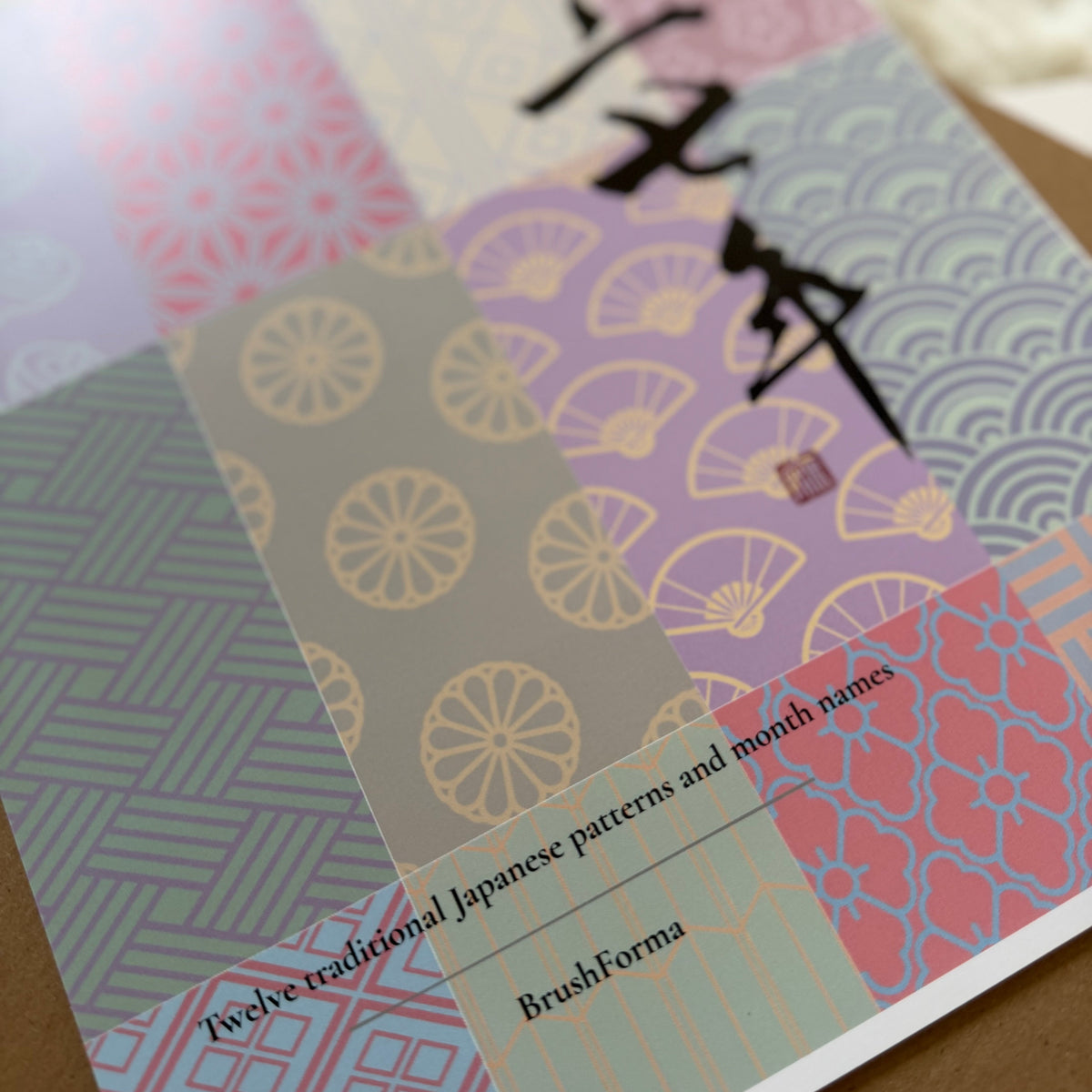
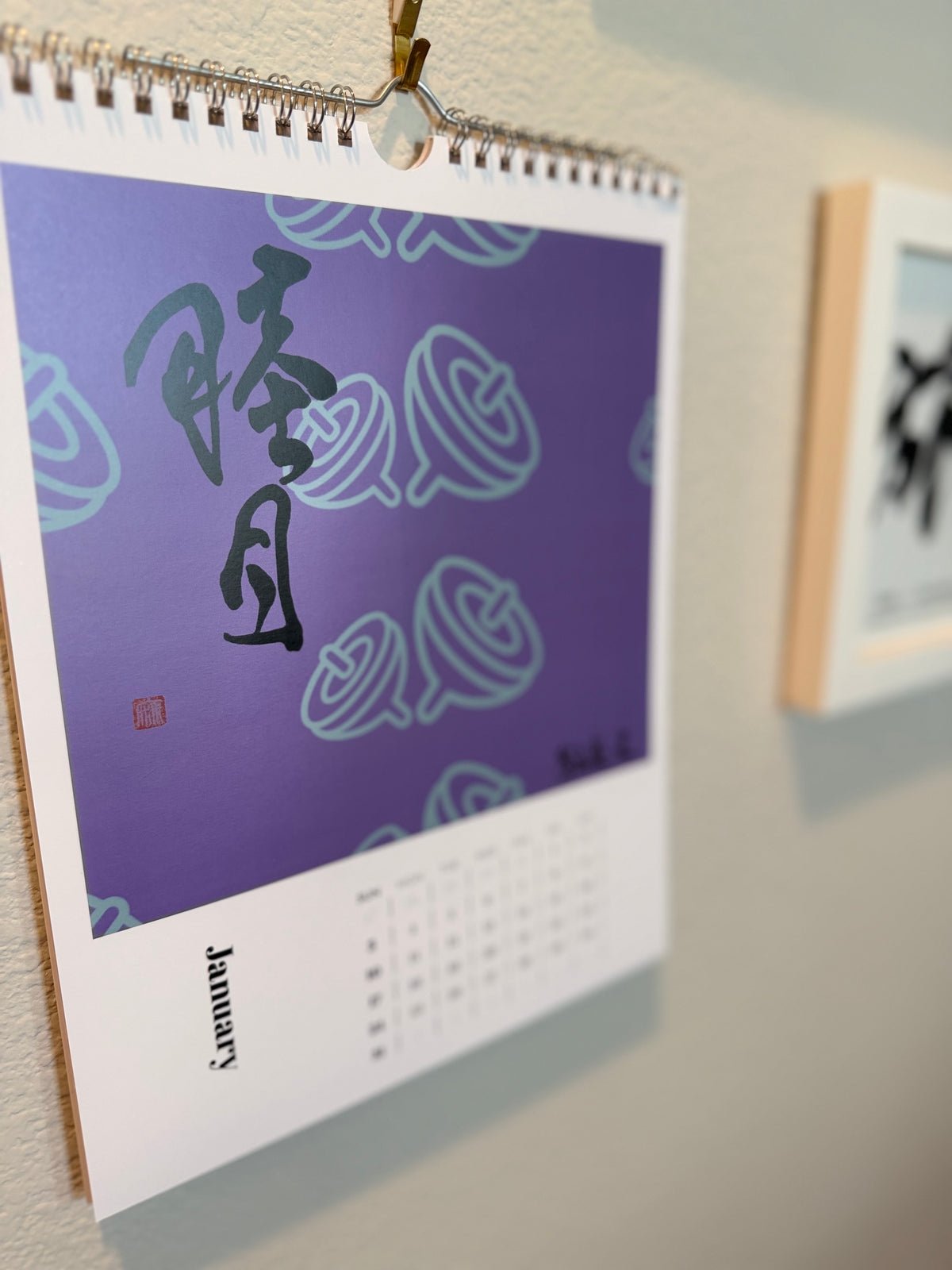
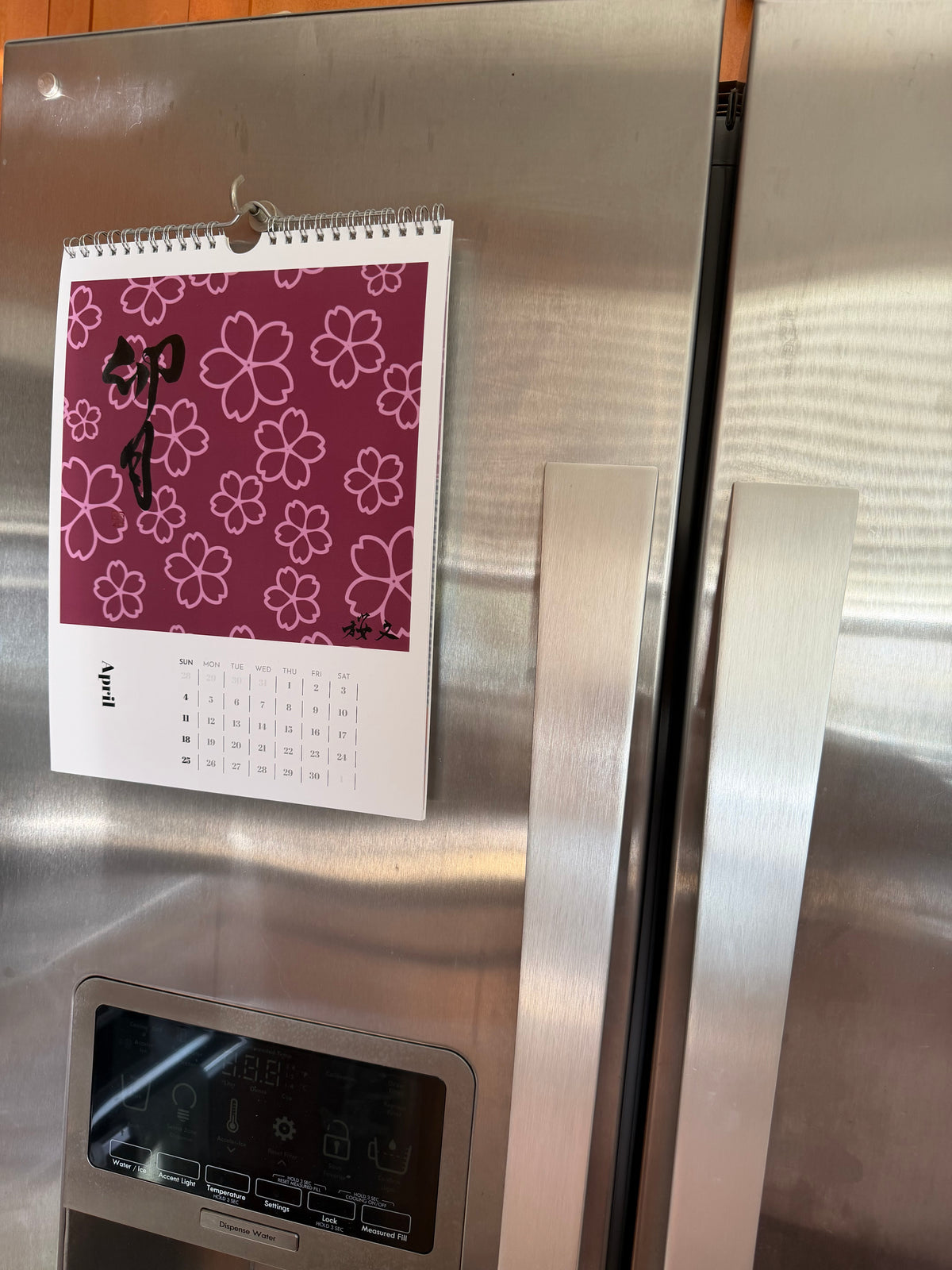
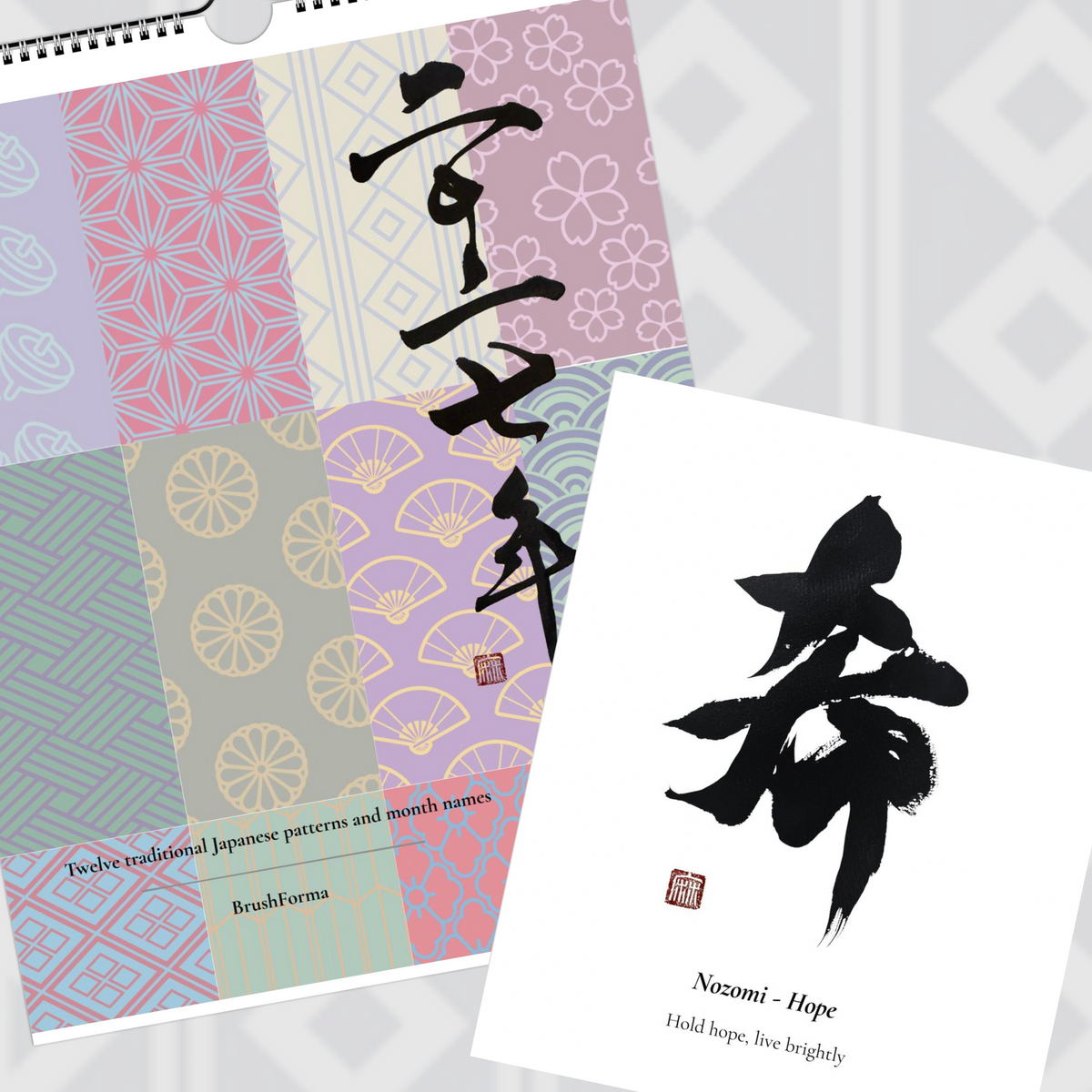
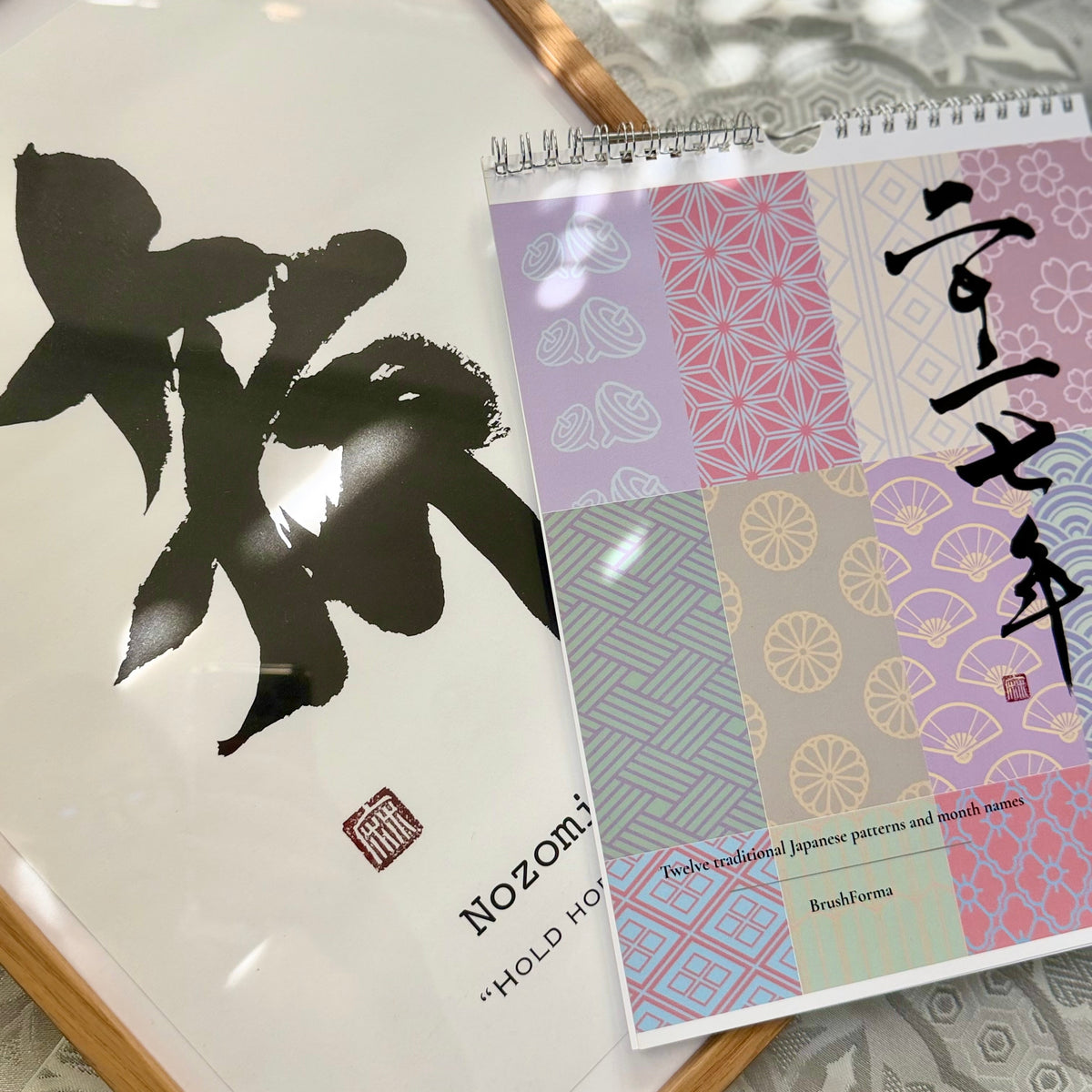
Our 2027 wall calendar brings these names home. Each page pairs a hand-brushed month name, from 睦月 to 師走, with a traditional wagara pattern drawn by hand, beginning with 独楽文 (komamon), the spinning-top motif tied to New Year play and a wish for the year to turn smoothly.
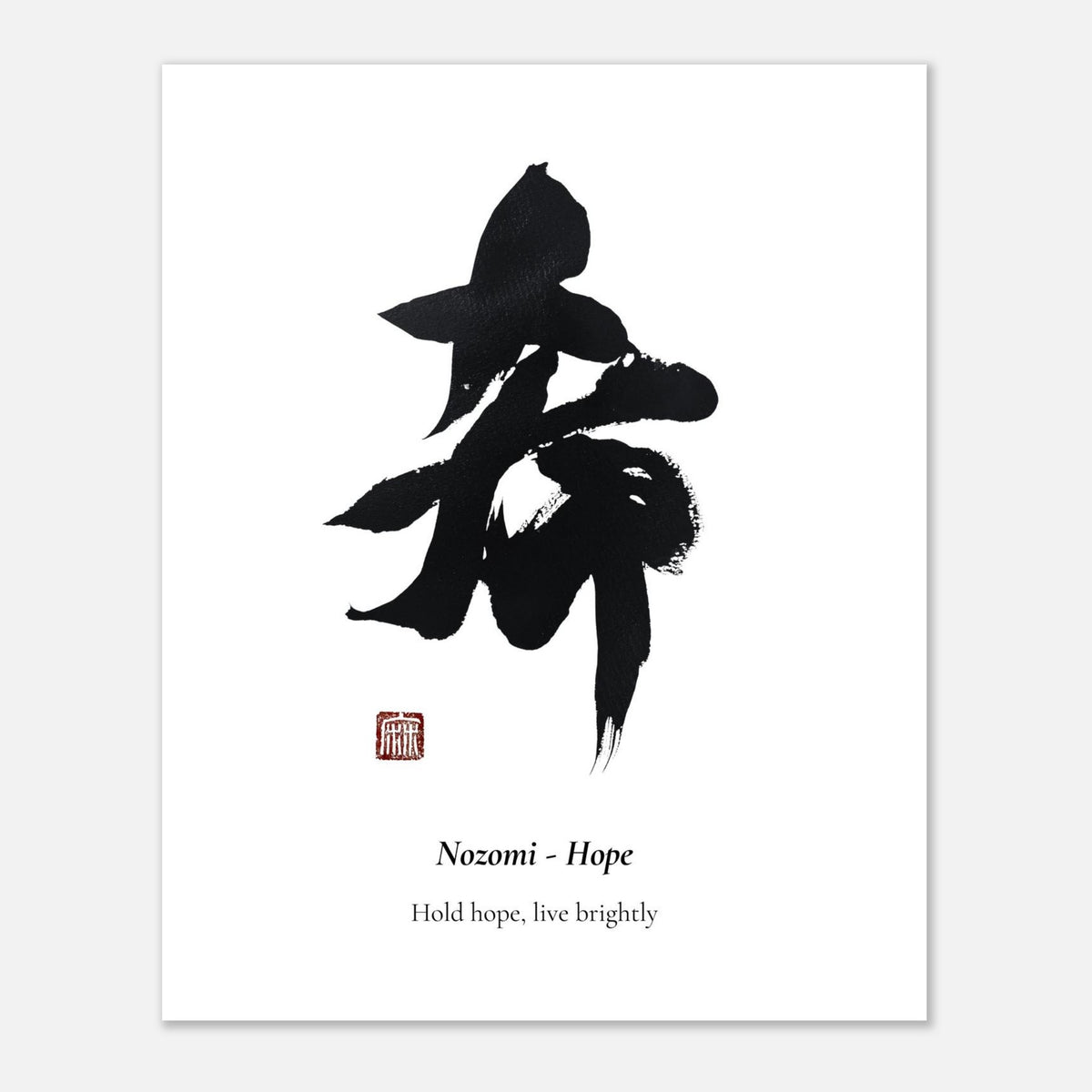
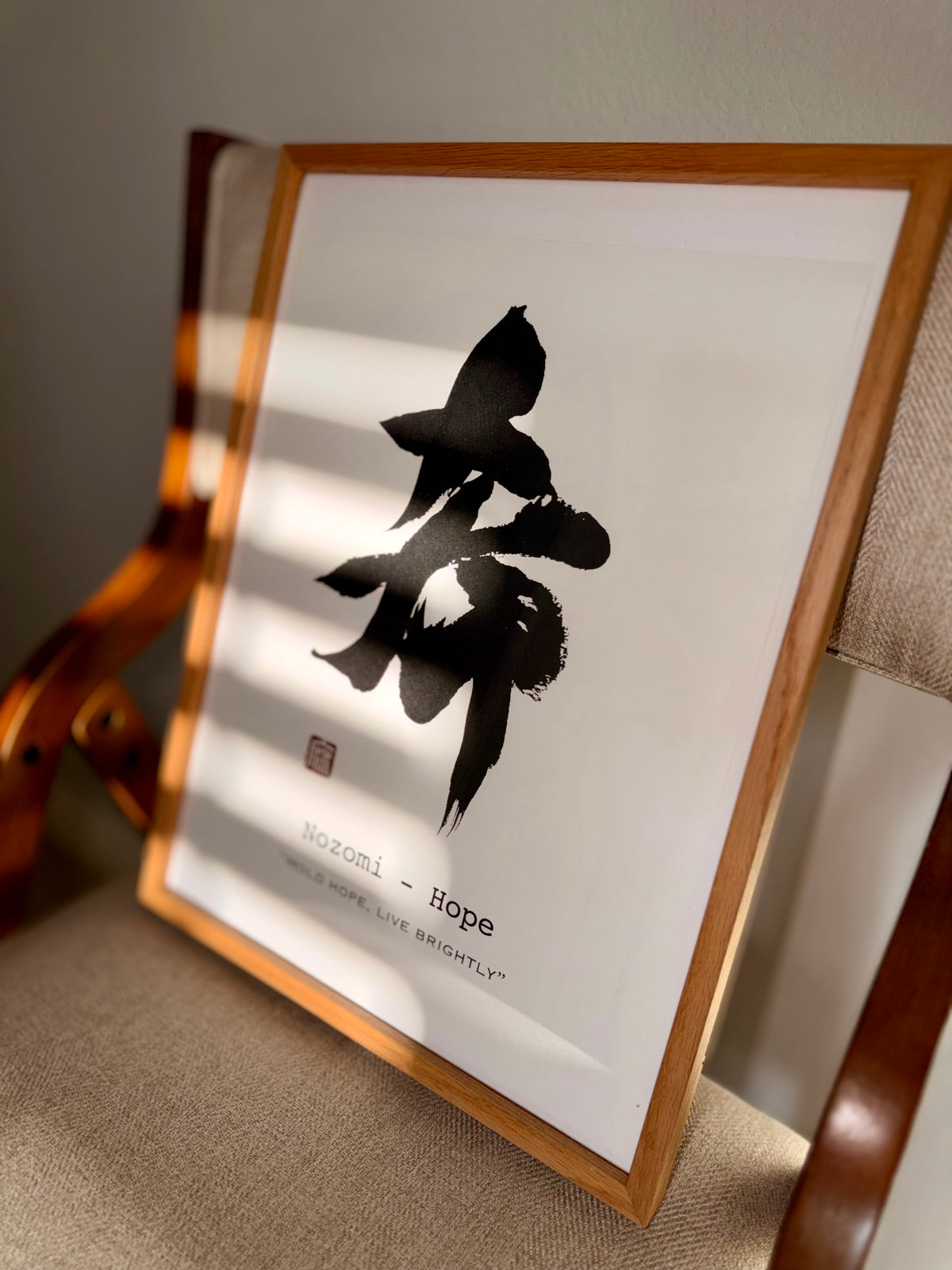
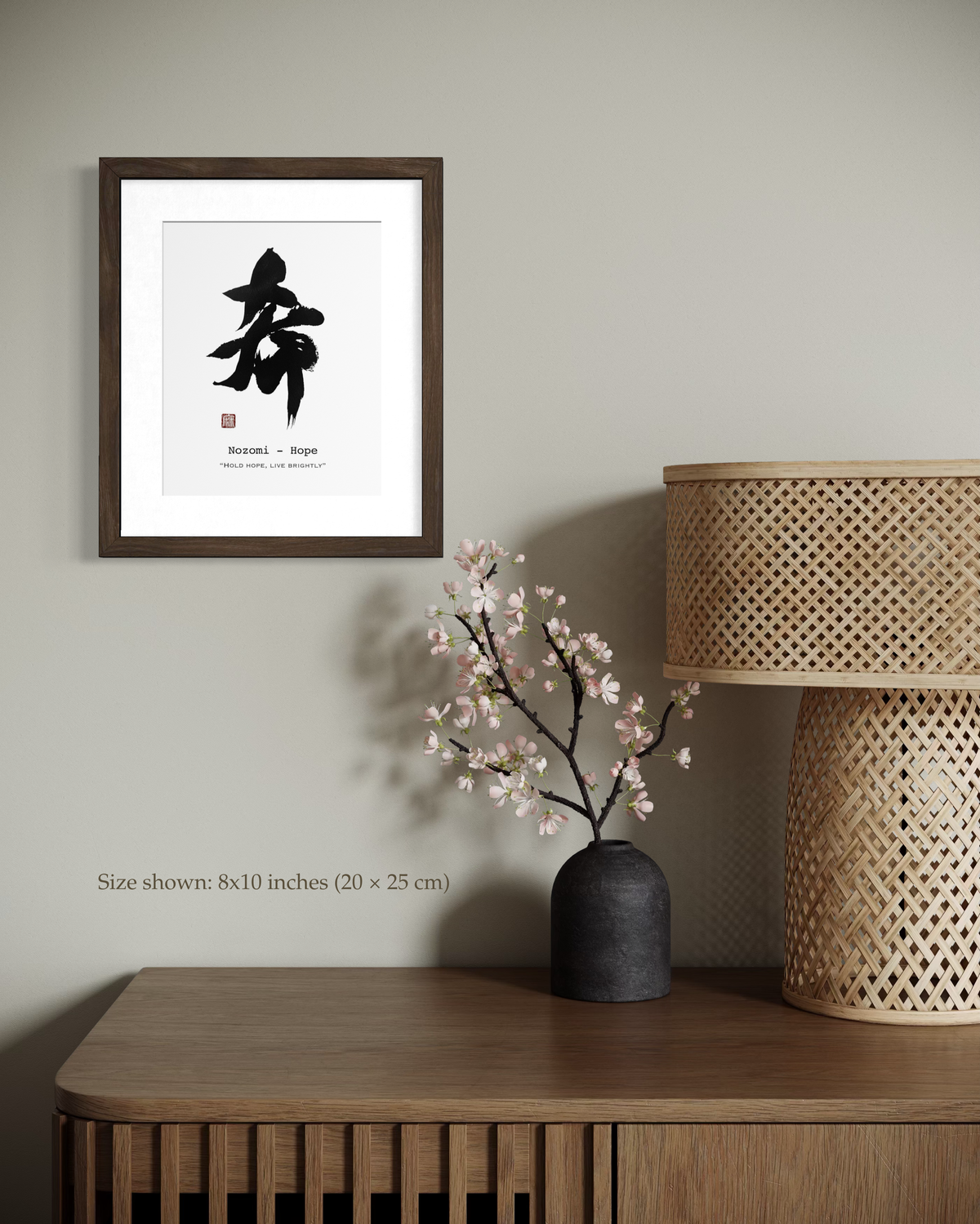
For a gift, A Year of Hope pairs the calendar with a 希 (hope) calligraphy print: twelve months to move through, and one wish to keep when the year is done.

Twelve months, twelve names, each one a small reason to pause. The year has always been speaking. These names are simply a way of listening.