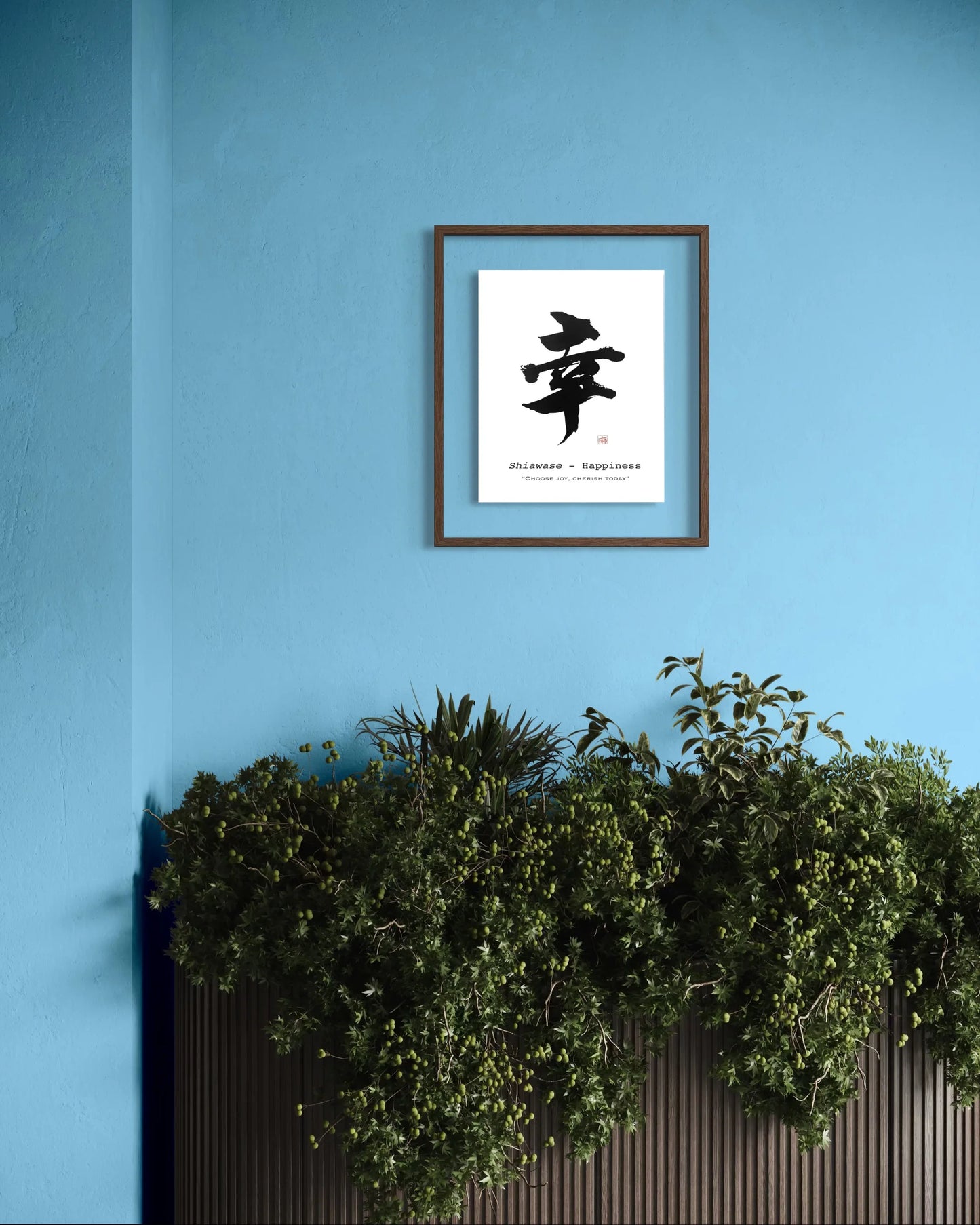
Why Minimalist Art Creates Calm
The Quiet Power of Less
In a world filled with constant noise—visual, digital, emotional—our homes have become more than places to live. They are places to recover.
Minimalist art creates calm not by adding more beauty, but by removing what isn’t necessary. It offers space for the mind to rest, for the breath to slow, and for meaning to surface quietly.
This is why minimalist art - especially Japanese calligraphy- feels timeless, grounding, and deeply human.
Calm Begins with Space
Minimalism is often misunderstood as emptiness.
In reality, it is about intentional space.
When a room is visually crowded, the mind stays alert. When space is respected, the nervous system relaxes. Minimalist art works because it allows the eye to pause instead of search.
Japanese aesthetics embrace this idea through ma—the concept of meaningful emptiness. What is not filled becomes just as important as what is.
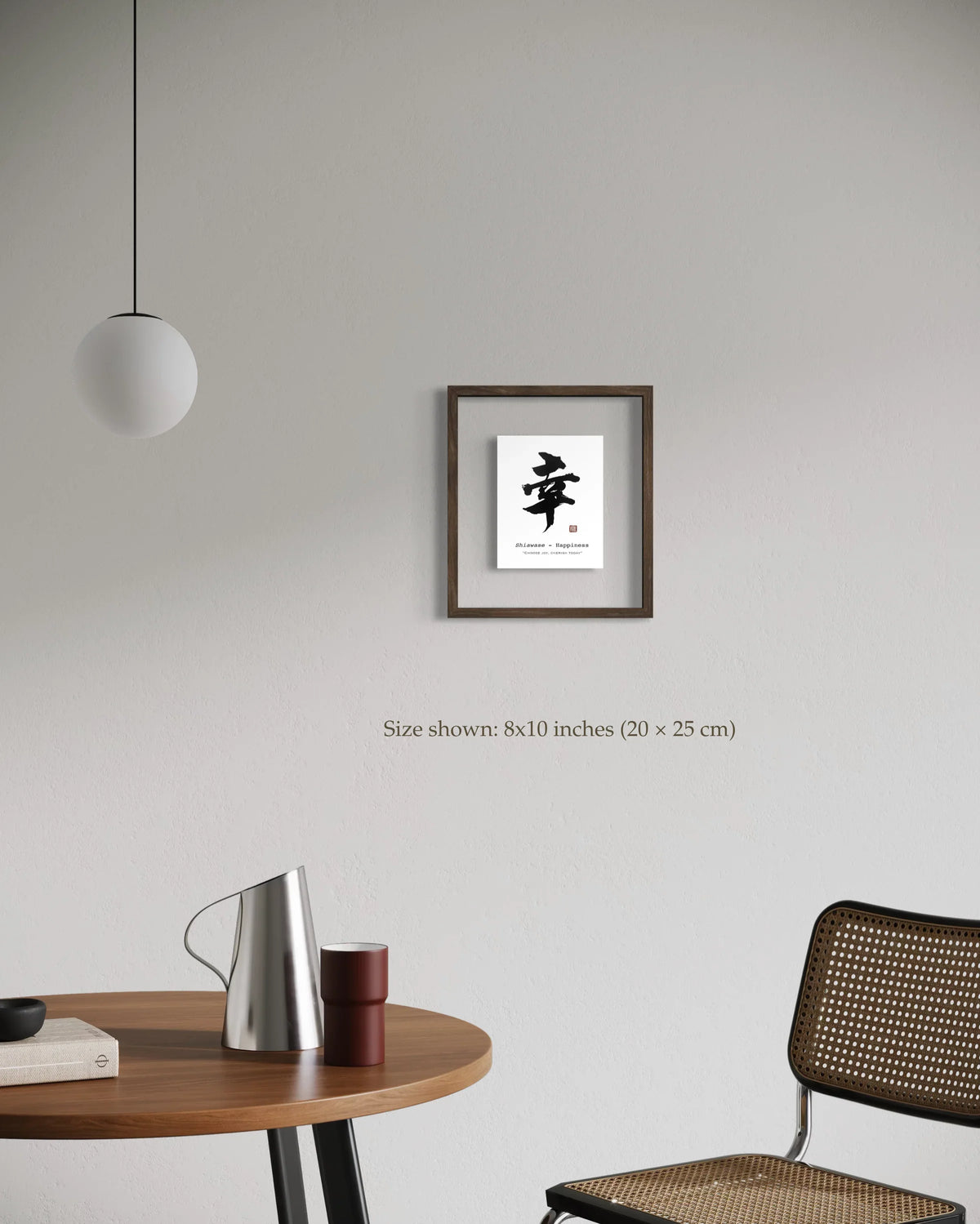
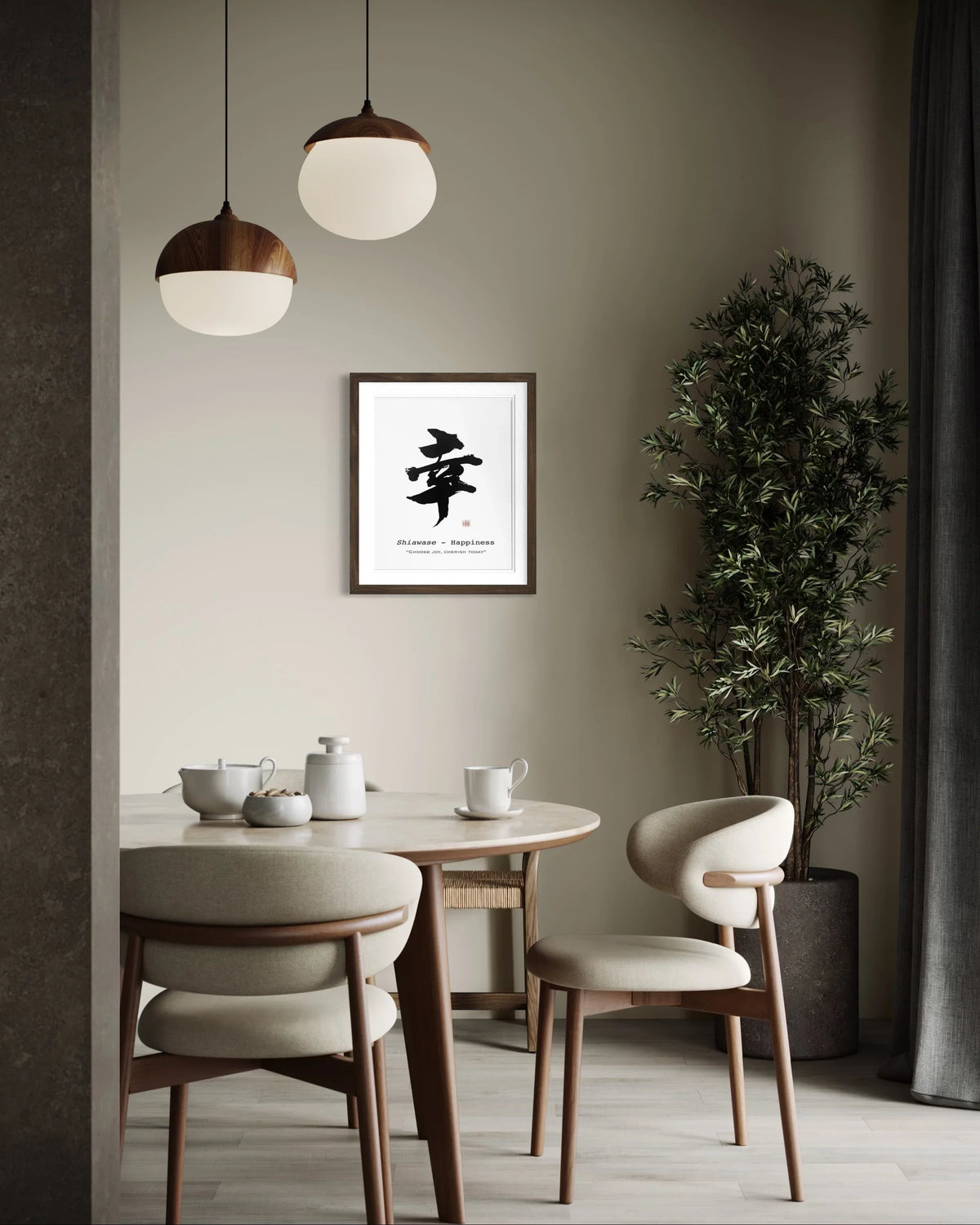
A single piece of art, placed thoughtfully, can calm a room more than an entire gallery wall.
Why the Brain Responds to Minimal Art
Our brains are constantly processing information. Complex visuals require more effort to interpret, while simple forms are understood almost instantly.
Minimalist art:
- Reduces visual fatigue
- Lowers cognitive load
- Encourages slower observation
This creates a subtle sense of ease. You don’t have to “figure out” the artwork. You’re allowed to simply feel it.
This is why minimalist spaces often feel quieter—even without sound.
Japanese Calligraphy and the Beauty of Restraint
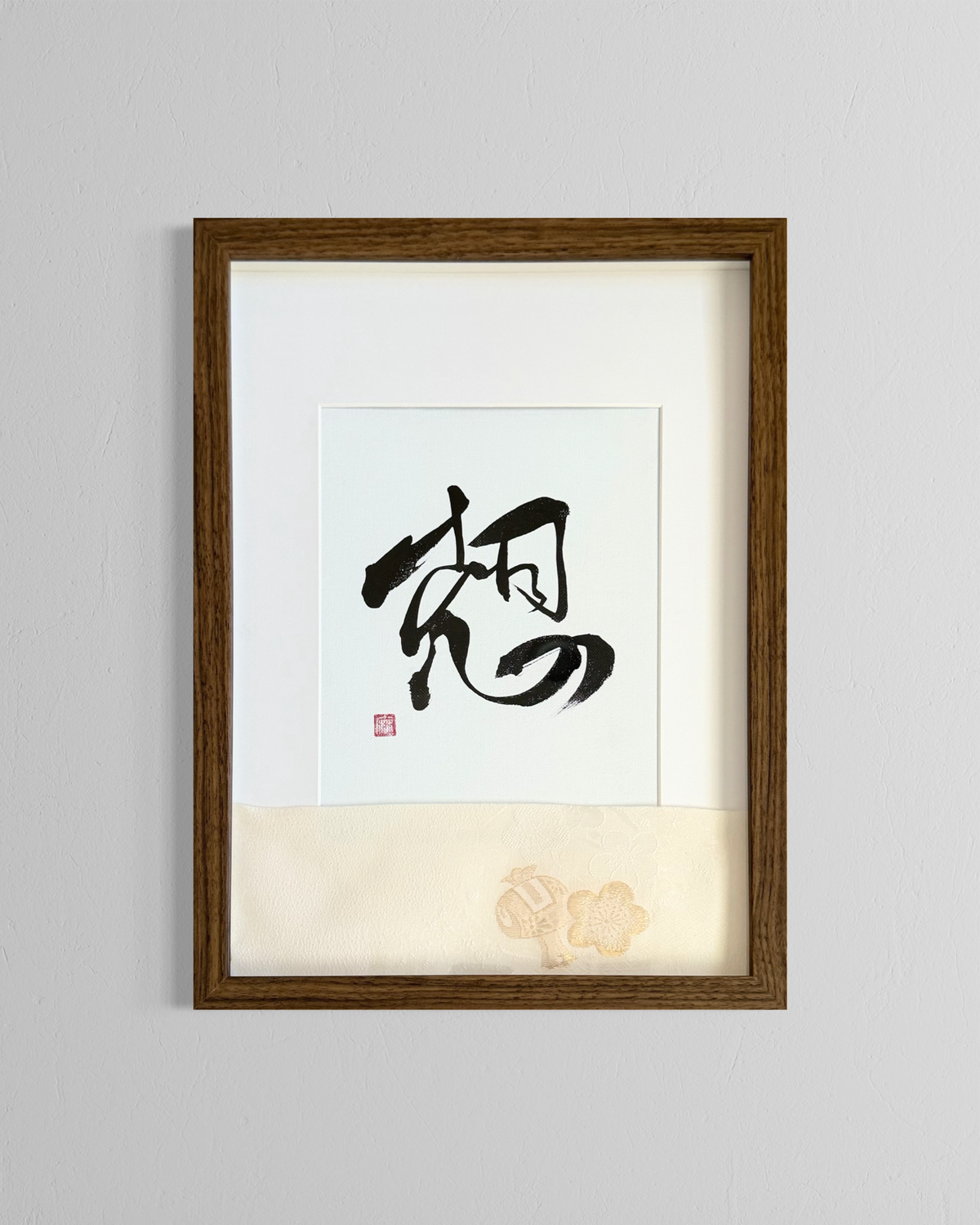
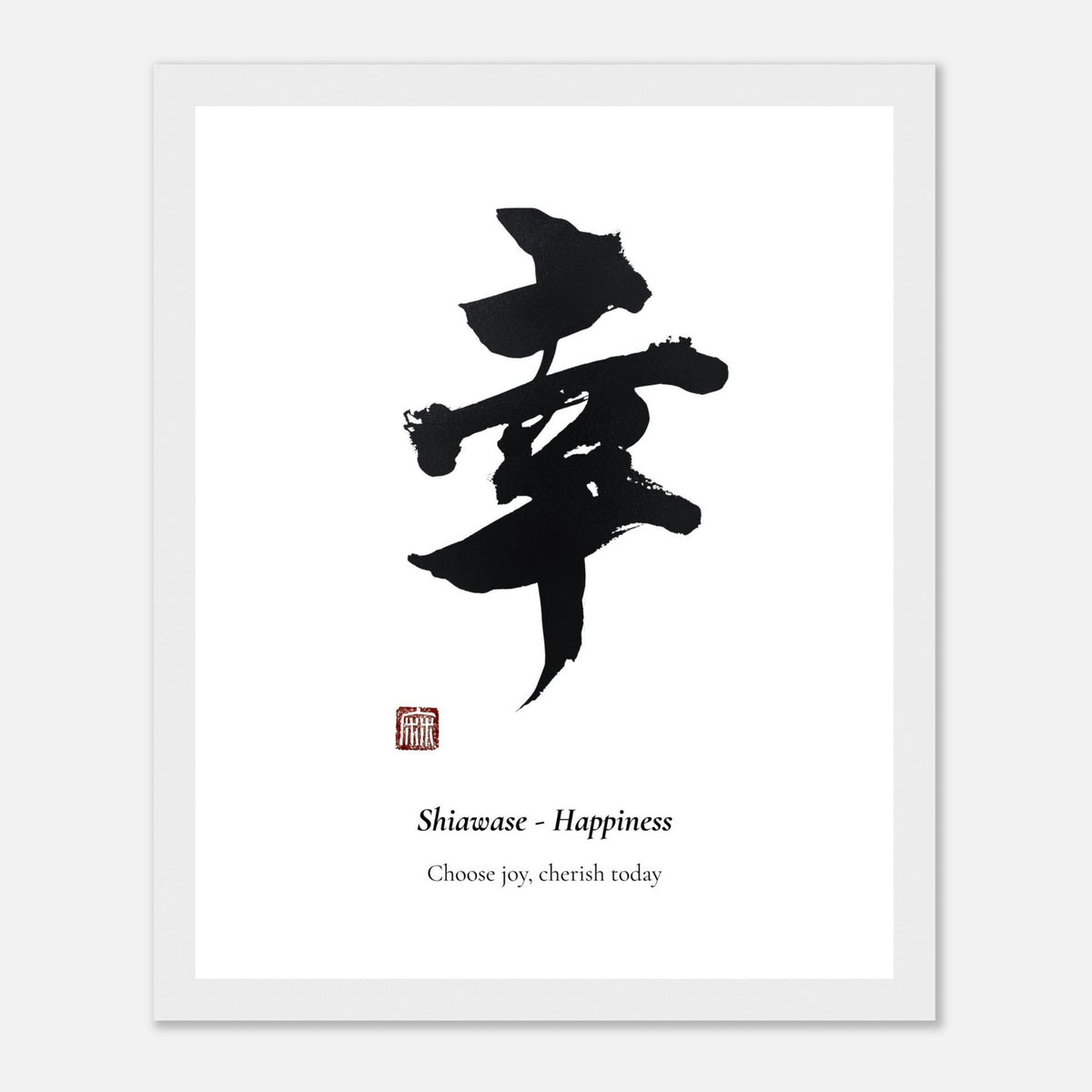
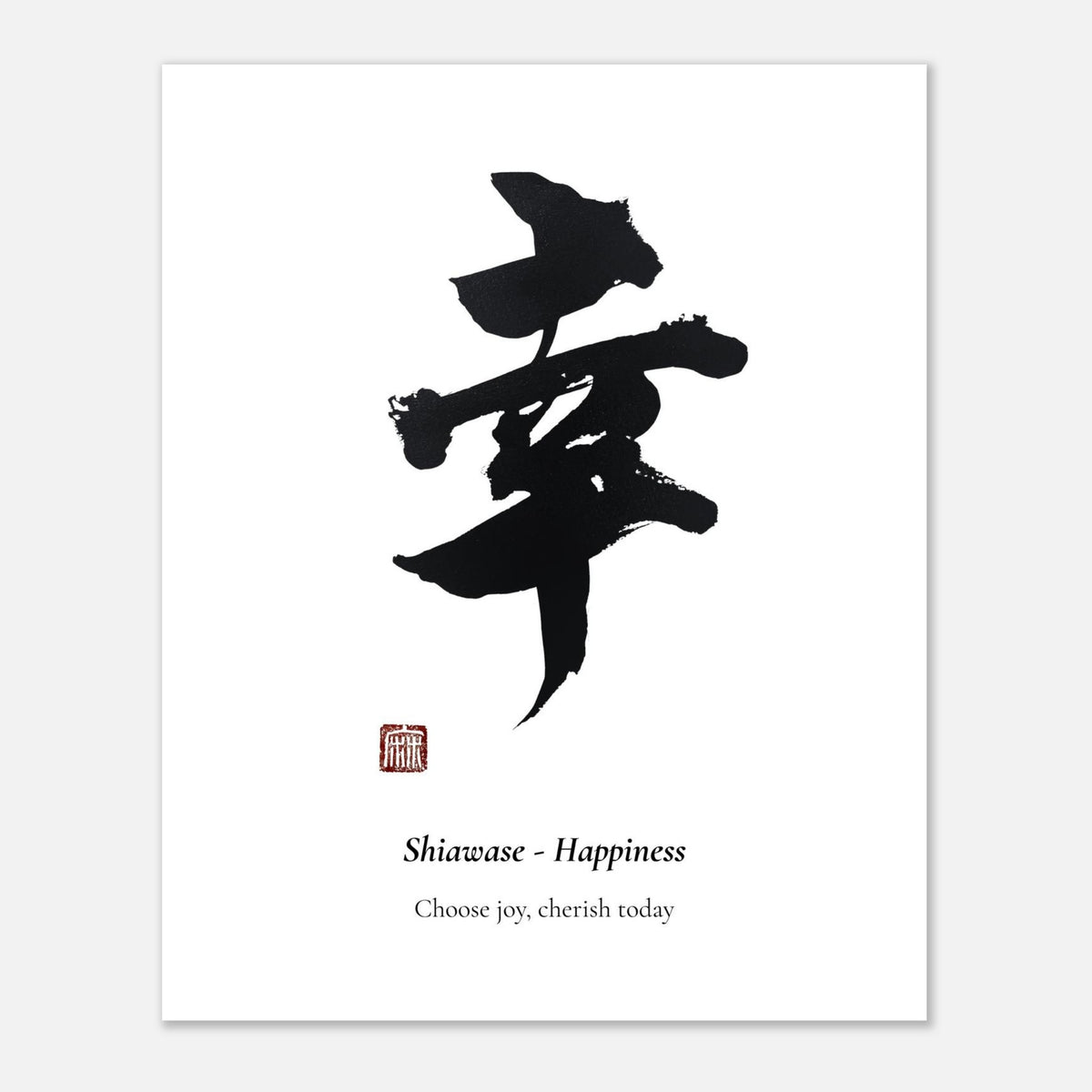
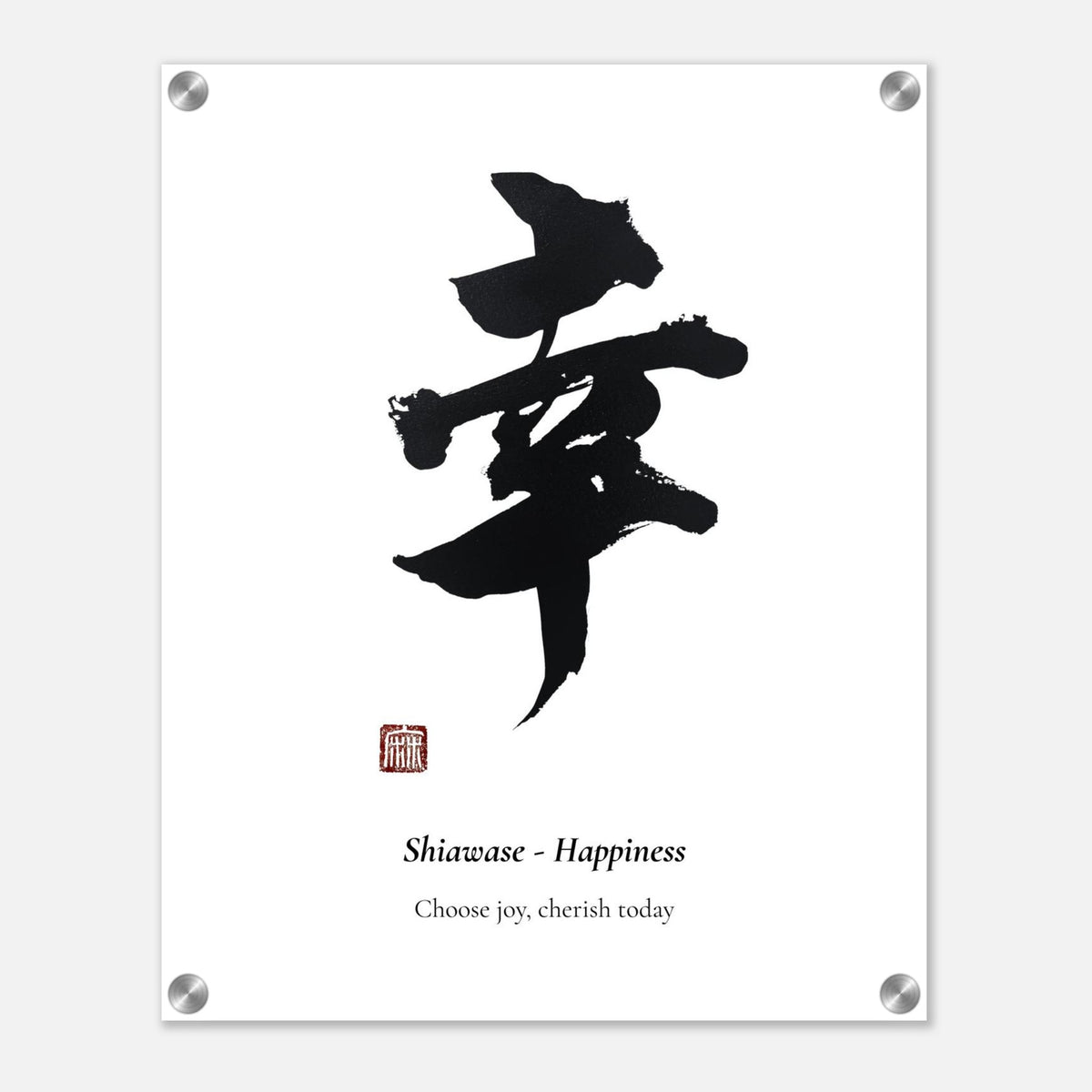
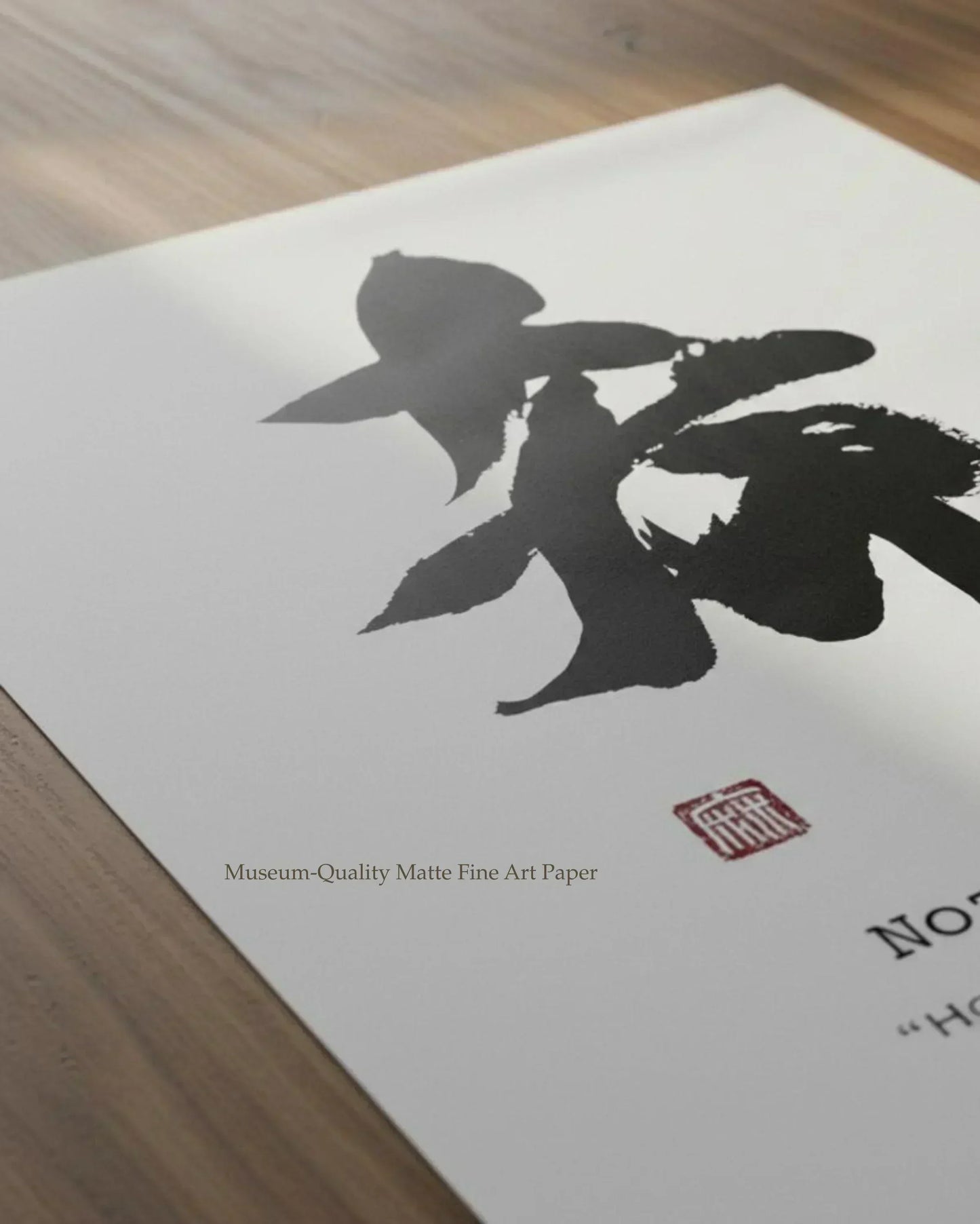
Japanese calligraphy is one of the purest forms of minimalist art.
A few brushstrokes.
Black ink.
White space.
Yet within this simplicity exists depth, movement, and emotion.
Each stroke carries intention. Each pause holds meaning. There is no decoration for decoration’s sake.
This restraint mirrors Japanese philosophy: true beauty does not compete for attention—it reveals itself slowly.
Calm Is Emotional, Not Empty
Minimalist art doesn’t remove emotion.
It removes distraction.
When there is less to look at, there is more room to feel.
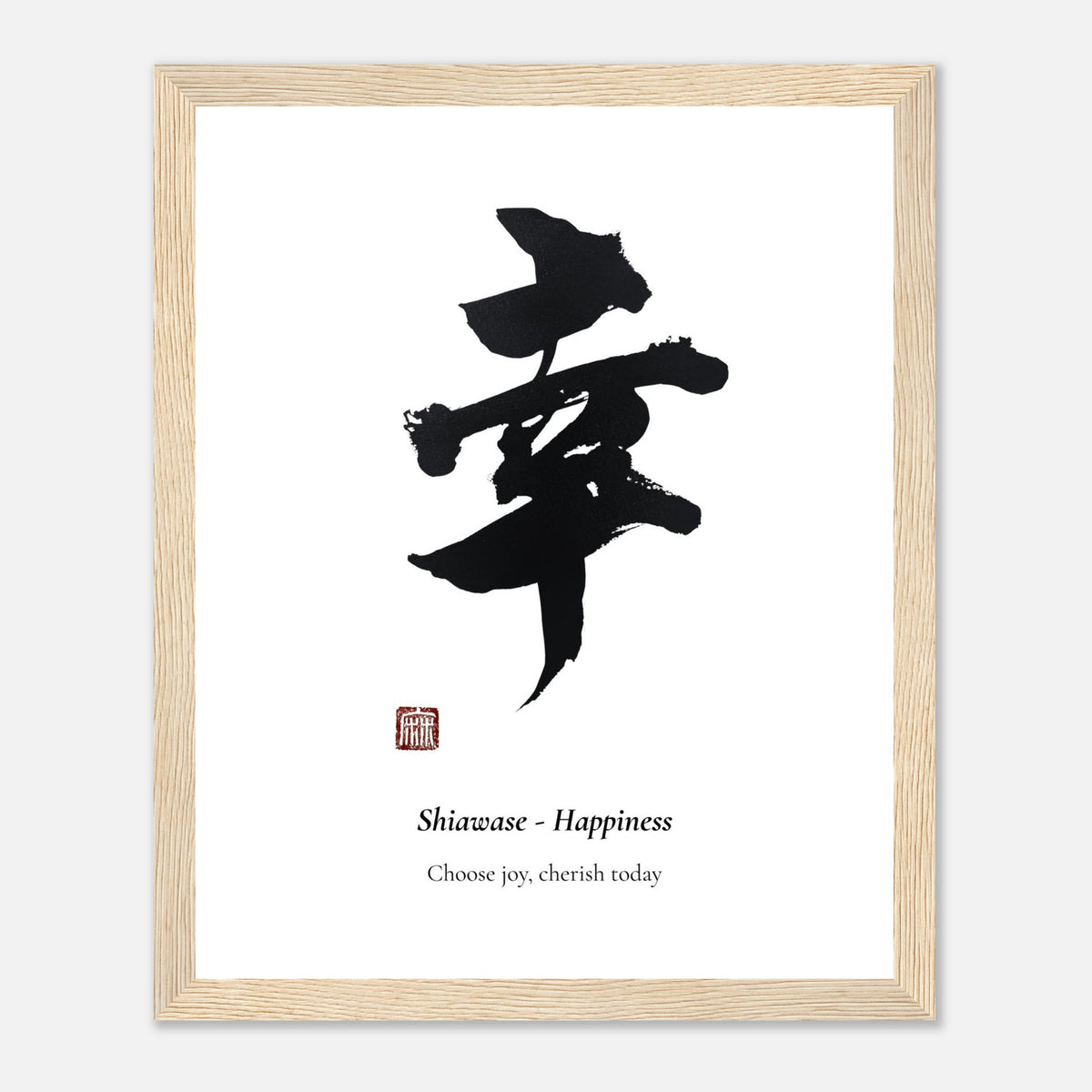
A single character representing quiet, hope, or love can become a personal anchor. Its meaning evolves with the viewer’s life, without ever changing its form.
This emotional openness is what makes minimalist art feel deeply personal rather than generic.
How Minimalist Art Shapes a Space
Minimalist wall art doesn’t dominate a room.
It supports it.
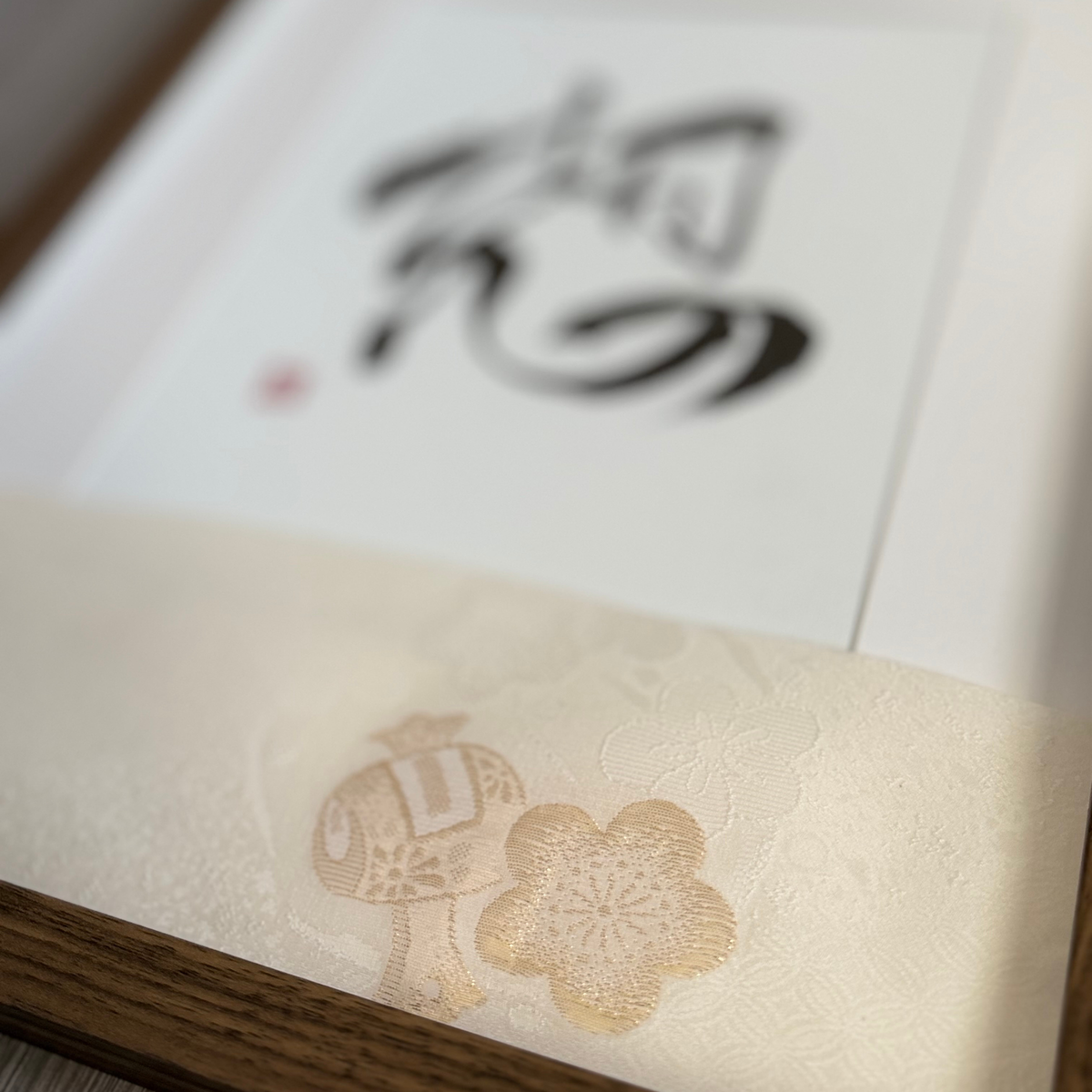
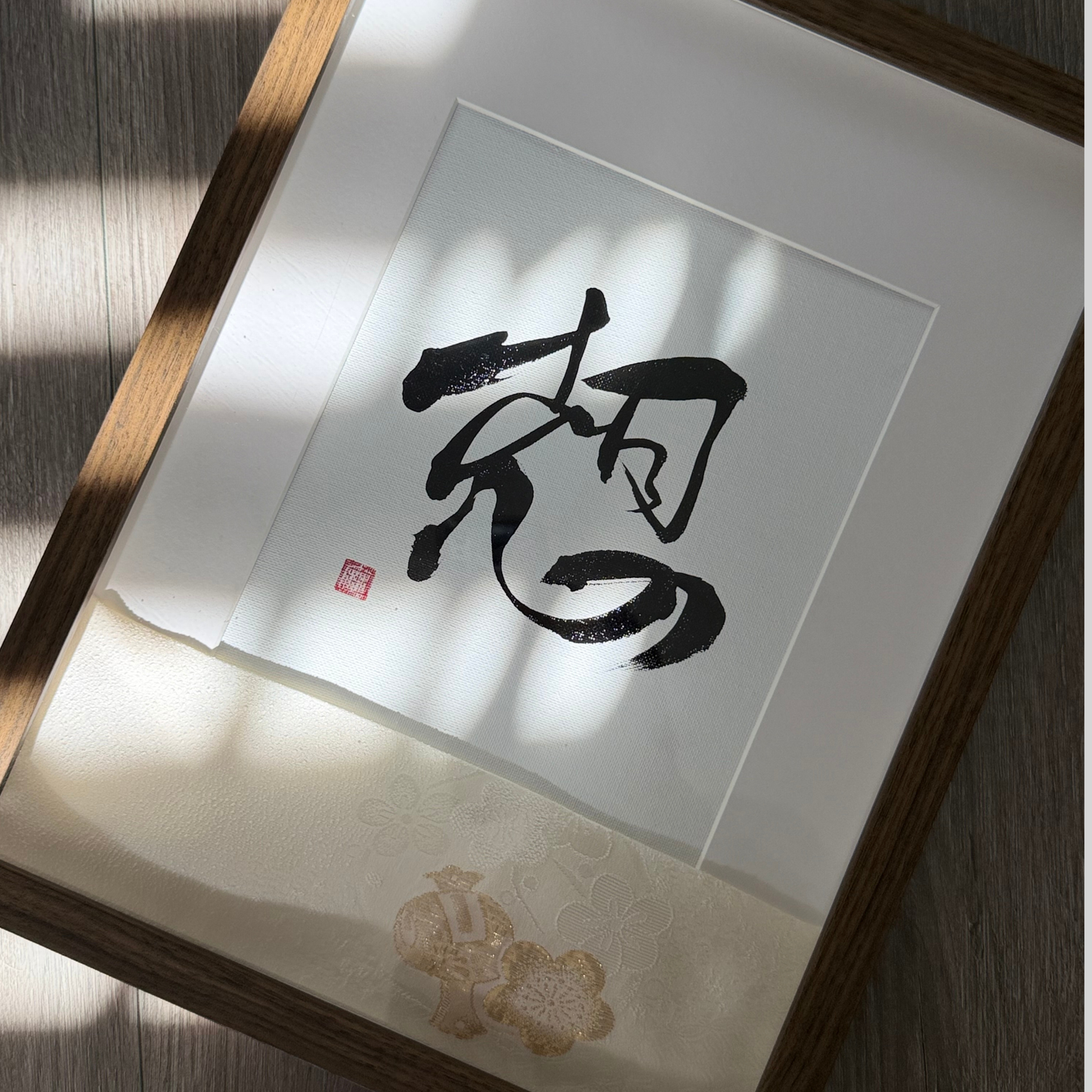
In Japandi and modern interiors, art serves as a quiet counterbalance to function. It softens clean lines, adds warmth, and creates intention without clutter.
Instead of filling walls, minimalist art gives them purpose.
The room breathes.
So do you.
Choosing Calm Over Noise
In a culture that celebrates excess, choosing minimalism is an act of care.
It says:
- I value clarity
- I value intention
- I value stillness
Minimalist art reminds us that calm is not something we add to our lives—it is something we protect.
A Quiet Philosophy at BrushForma
At BrushForma, we believe art should support the way you want to live.
Our calligraphy-inspired designs are created with restraint, balance, and space in mind—honoring Japanese tradition while fitting naturally into modern life.
They are not meant to impress.
They are meant to stay.
Less, Done with Meaning
Minimalist art creates calm because it gives permission—to pause, to breathe, to exist without noise.
Sometimes, one brushstroke is enough.
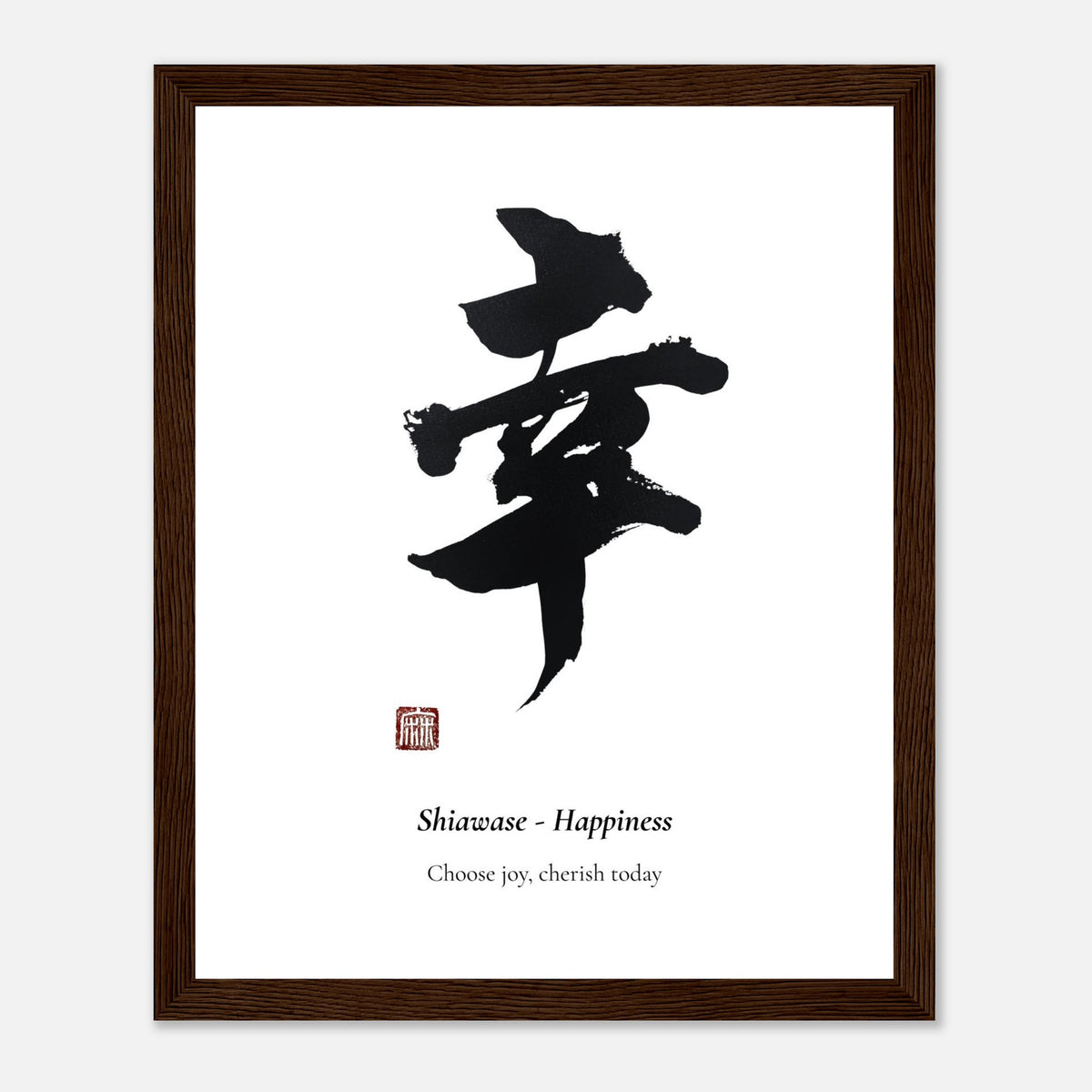
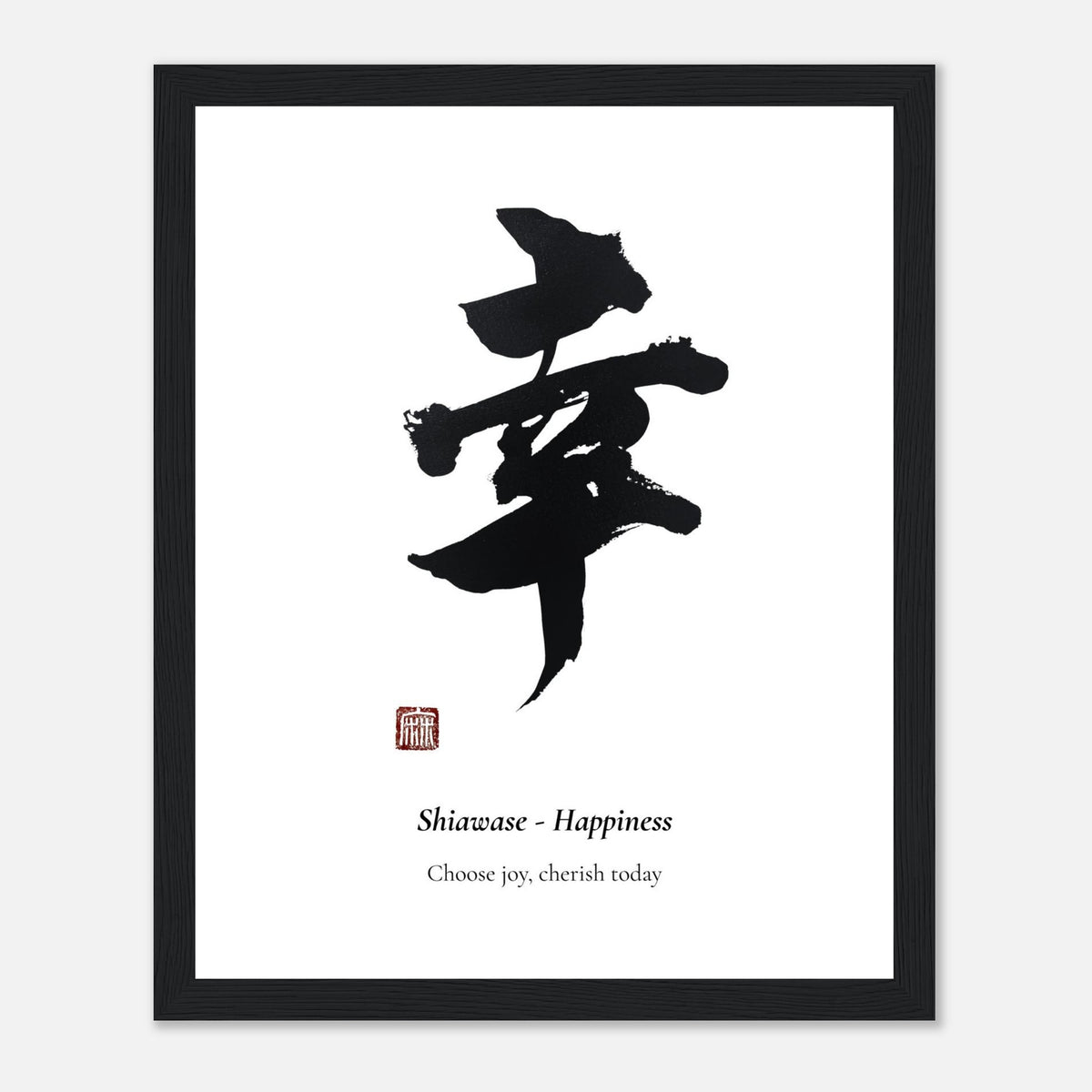
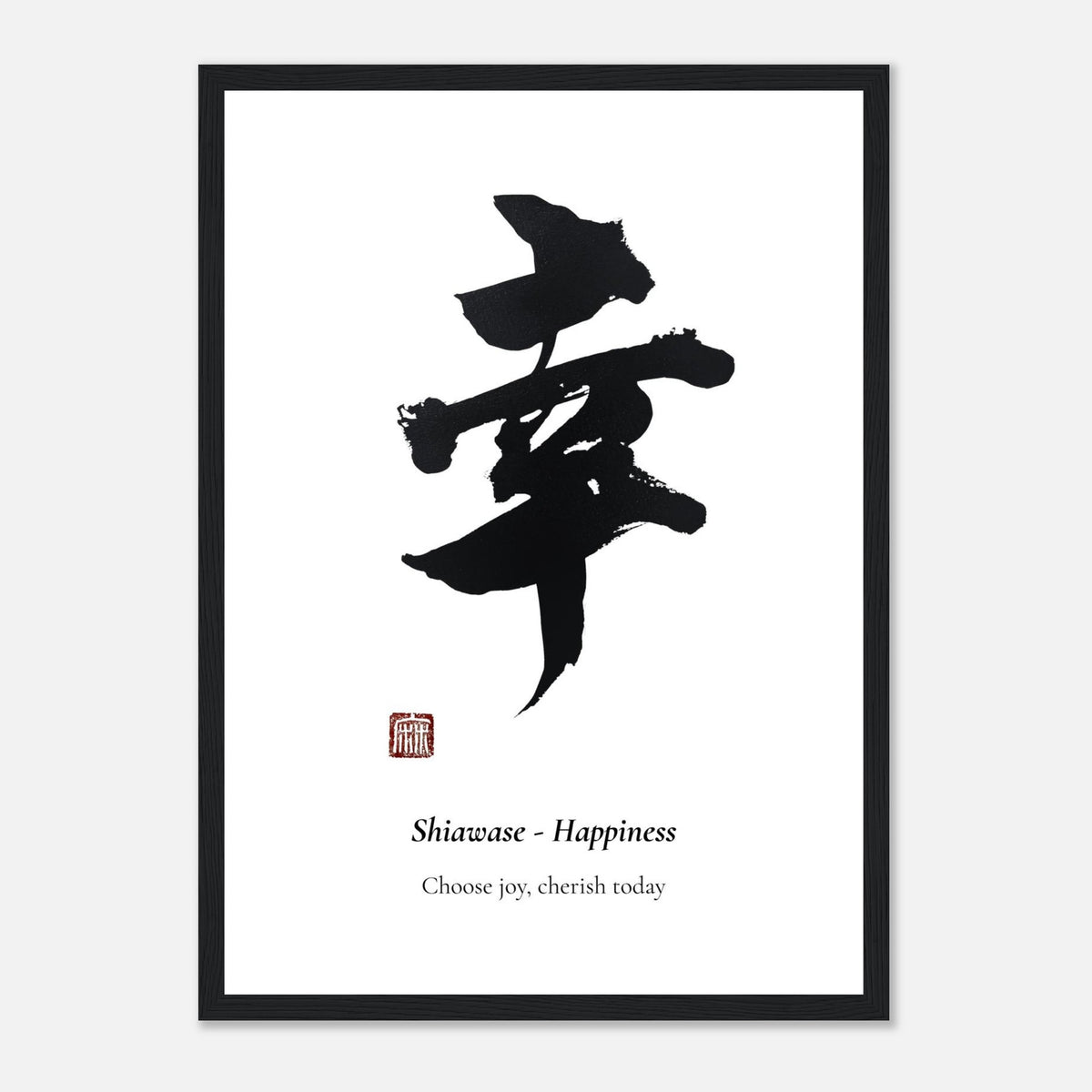
One character, one quiet room
Each piece is brushed by hand in a single breath, then printed with care and sent framed or unframed. If this idea stayed with you, these are a gentle place to begin.