Japanese New Year Traditions
Rituals of Renewal, Reflection, and Intention
In Japan, the New Year is not about rushing forward.
It is about resetting quietly.
Rather than resolutions driven by pressure or performance, Japanese New Year traditions center on reflection, simplicity, and intention—clearing space both physically and mentally to welcome what’s next.
These customs offer a gentle way to begin again, one that feels especially meaningful in modern life.
Why the New Year Holds Special Meaning in Japan
In Japanese culture, the New Year (Shōgatsu) is considered the most important holiday of the year. It marks a clear boundary between the old and the new—a moment to let go, reset, and begin again with intention.
Rather than celebrating loudly, the New Year is approached with care:
- Homes are cleaned
- Meals are prepared thoughtfully
- Intentions are clarified quietly
The focus is not on becoming someone new overnight, but on aligning more closely with how one wishes to live.
Clearing Space: 大掃除 (Ōsōji)
Before the year begins, homes undergo Ōsōji - a deep, intentional cleaning.
This practice is not only practical, but symbolic. Dust, clutter, and unused items are cleared to make room for fresh energy. The act itself becomes a form of reflection: what no longer serves you is released.
Ōsōji reminds us that renewal often begins with subtraction, not addition.
Welcoming the Year: 初詣 (Hatsumōde)
In the first days of January, many people visit a shrine, temple or other forms of community center for Hatsumōde, the first prayer of the year.
Rather than asking for dramatic change, these visits are often quiet and personal. Gratitude is expressed for the year that passed, and intentions are gently offered for the year ahead.
It is a moment of pause - a reminder that beginnings can be calm.
Food with Meaning: おせち料理 (Osechi Ryōri)
Traditional New Year meals, known as Osechi Ryōri, are prepared with care and symbolism. Each ingredient represents a wish - health, longevity, happiness, or prosperity.
The food is simple, beautifully arranged, and meant to be enjoyed slowly.
This tradition reflects a deeper philosophy: nourishment is not only physical, but emotional.
Writing Intentions: 書き初め (Kakizome)
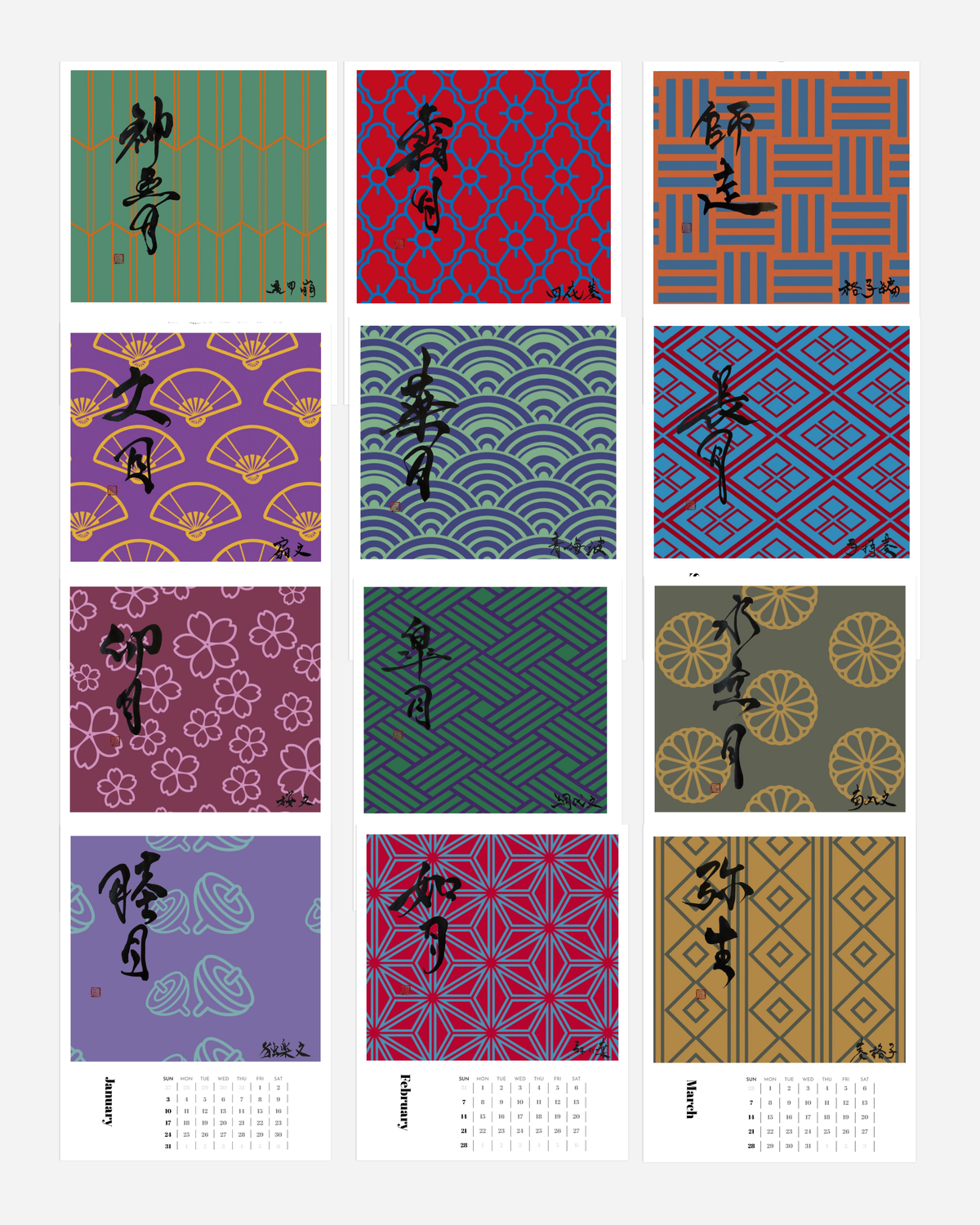
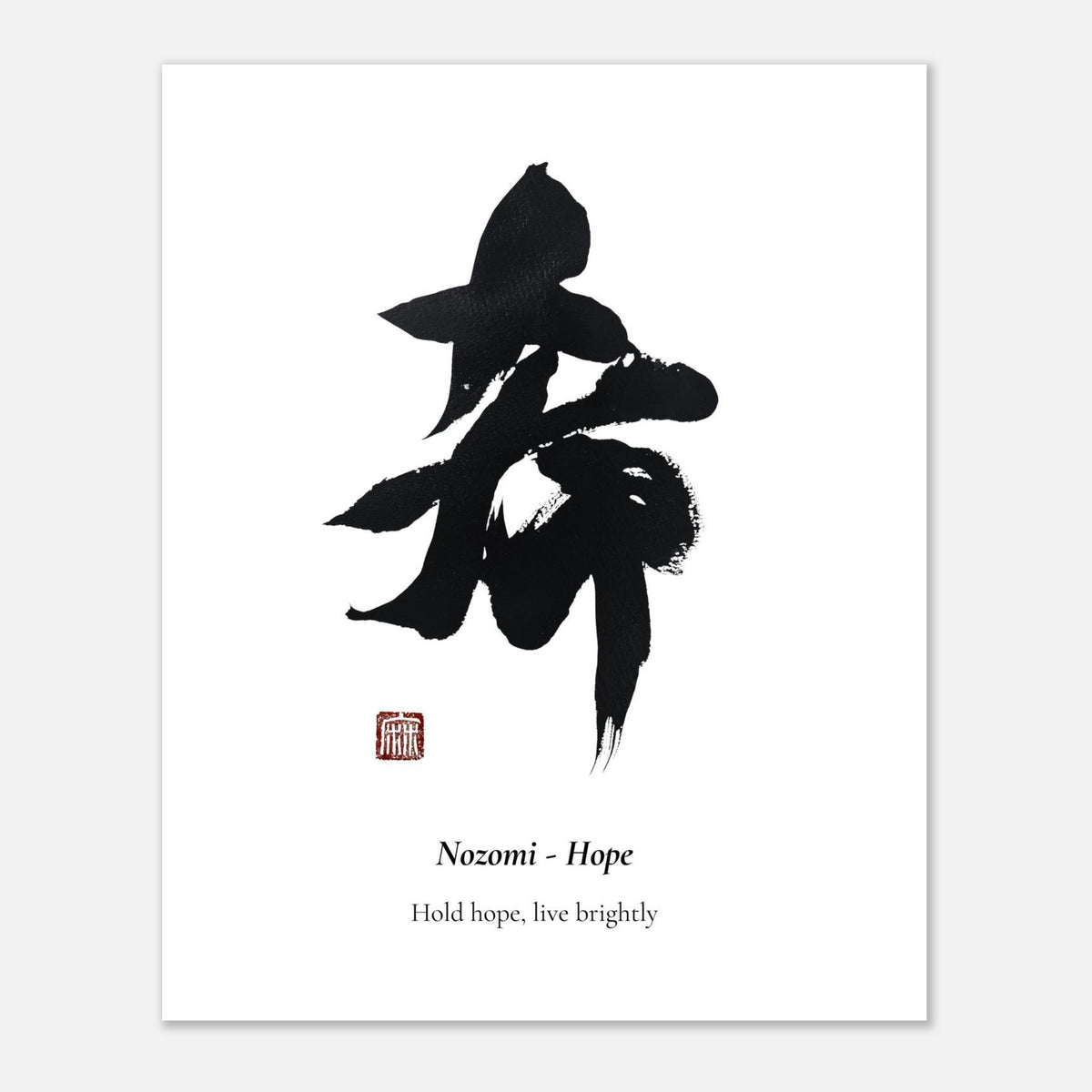
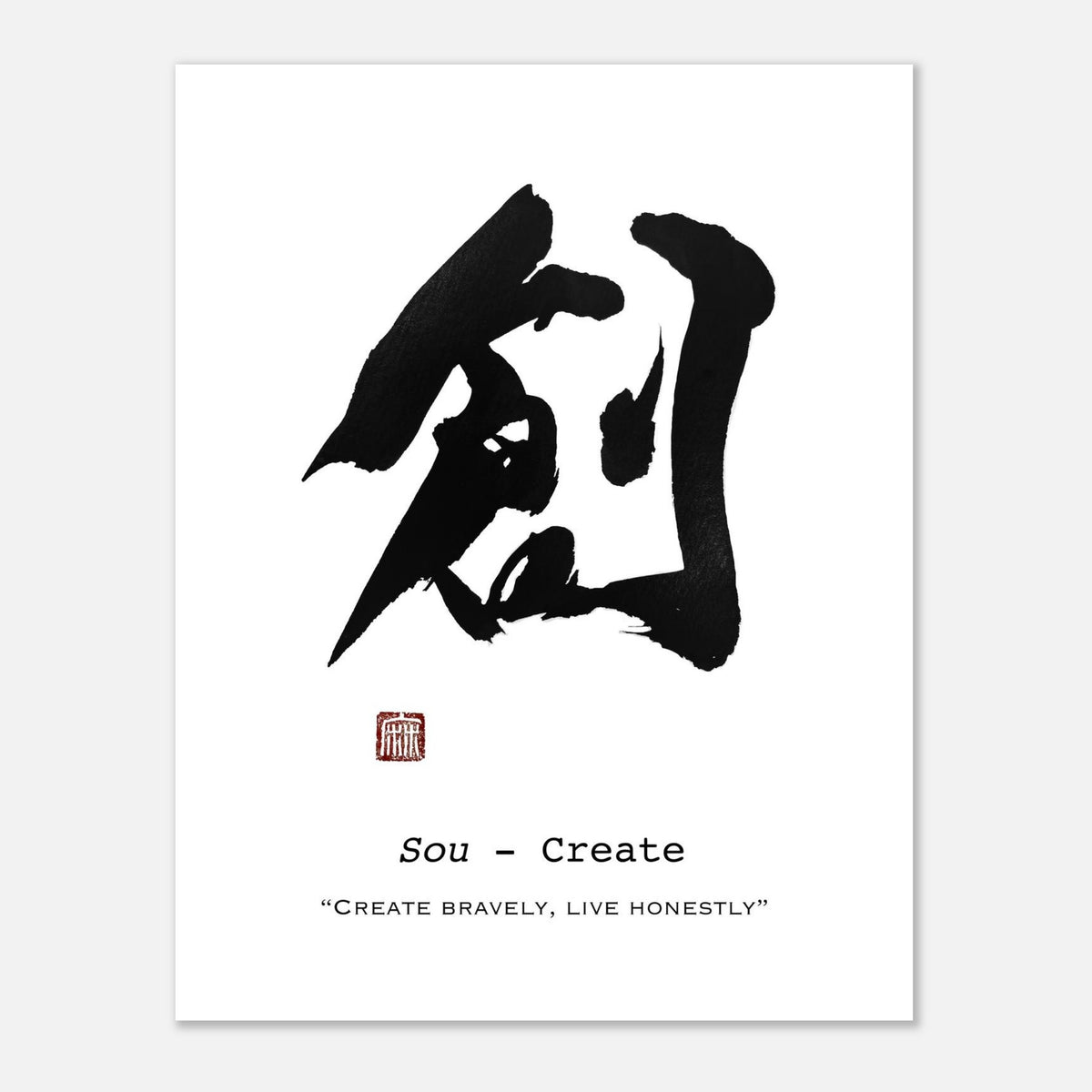
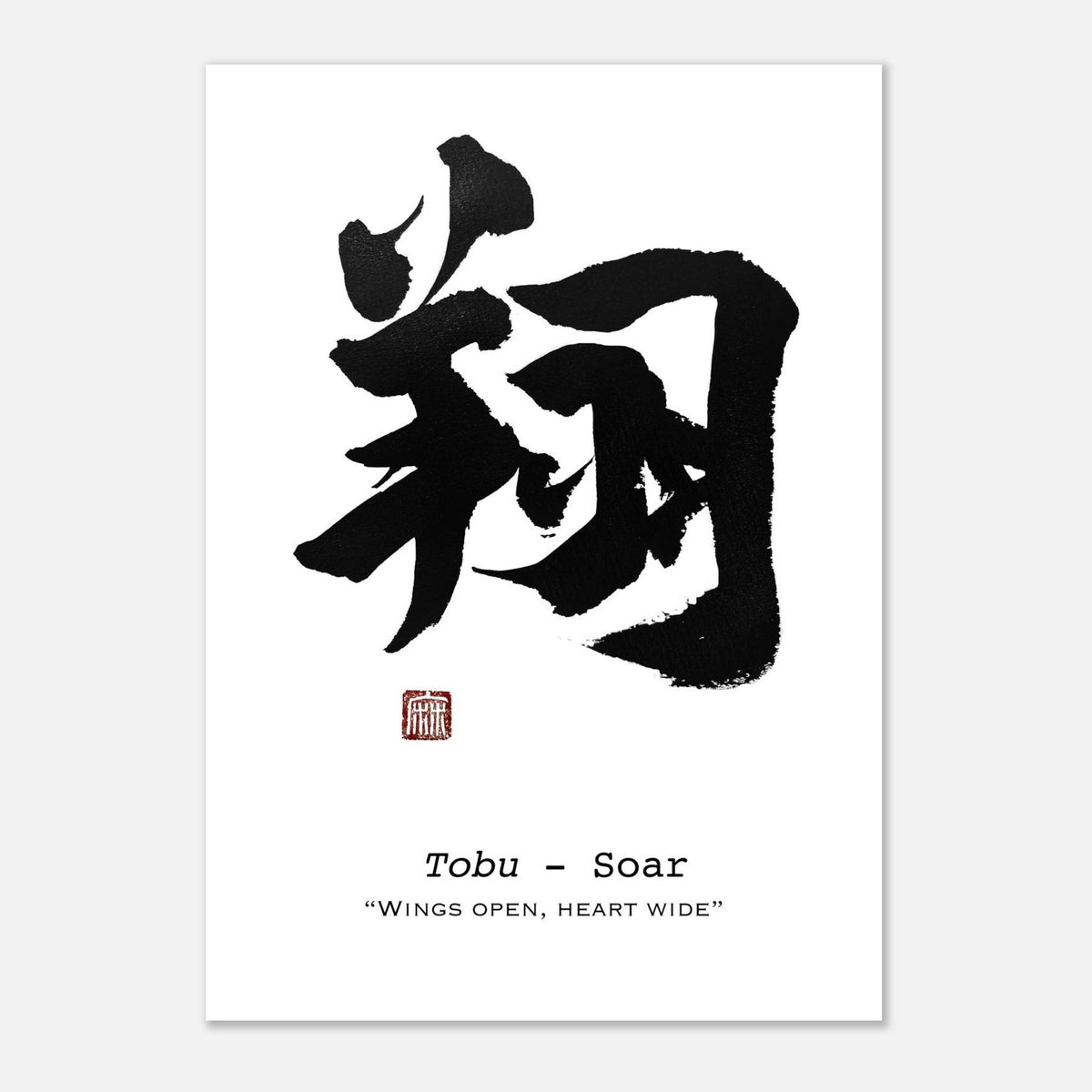
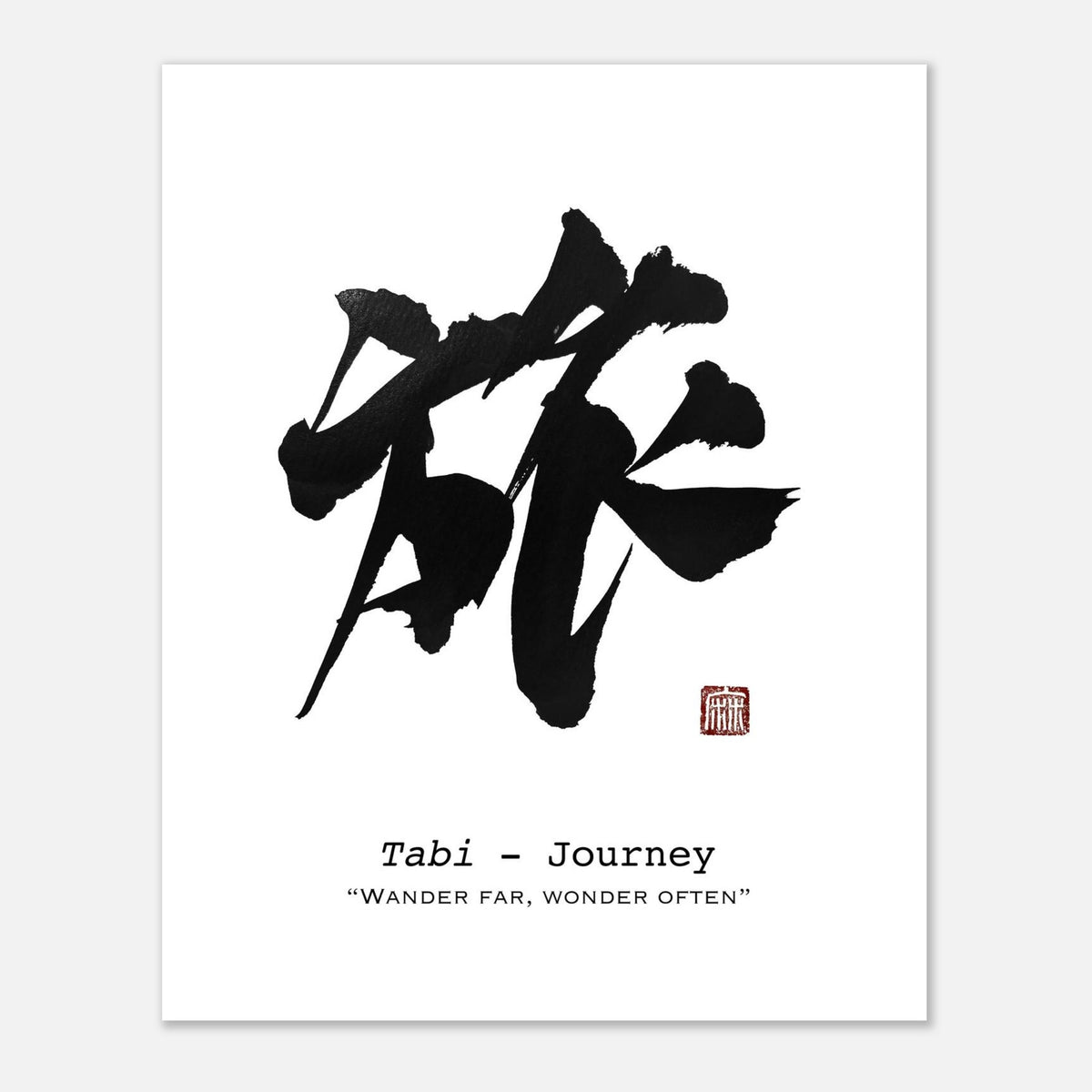
One of the most meaningful New Year traditions is Kakizome - the first calligraphy of the year.
Traditionally practiced in early January, Kakizome involves writing a word or phrase that represents an intention for the year ahead. It might express a value, a hope, or a way of being - rather than a specific goal.
The act of writing slows the body and focuses the mind. Each brushstroke becomes deliberate. Each pause matters.
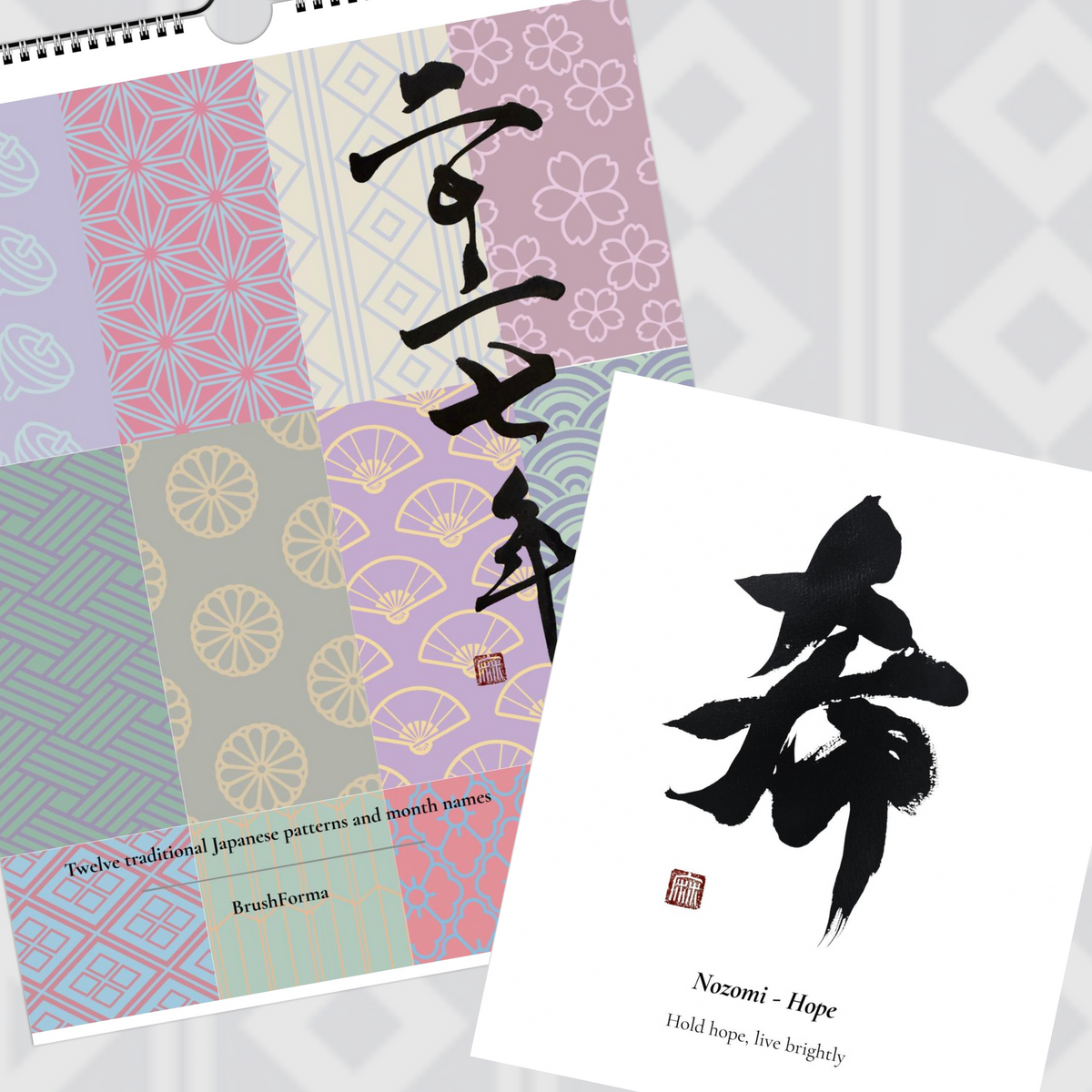
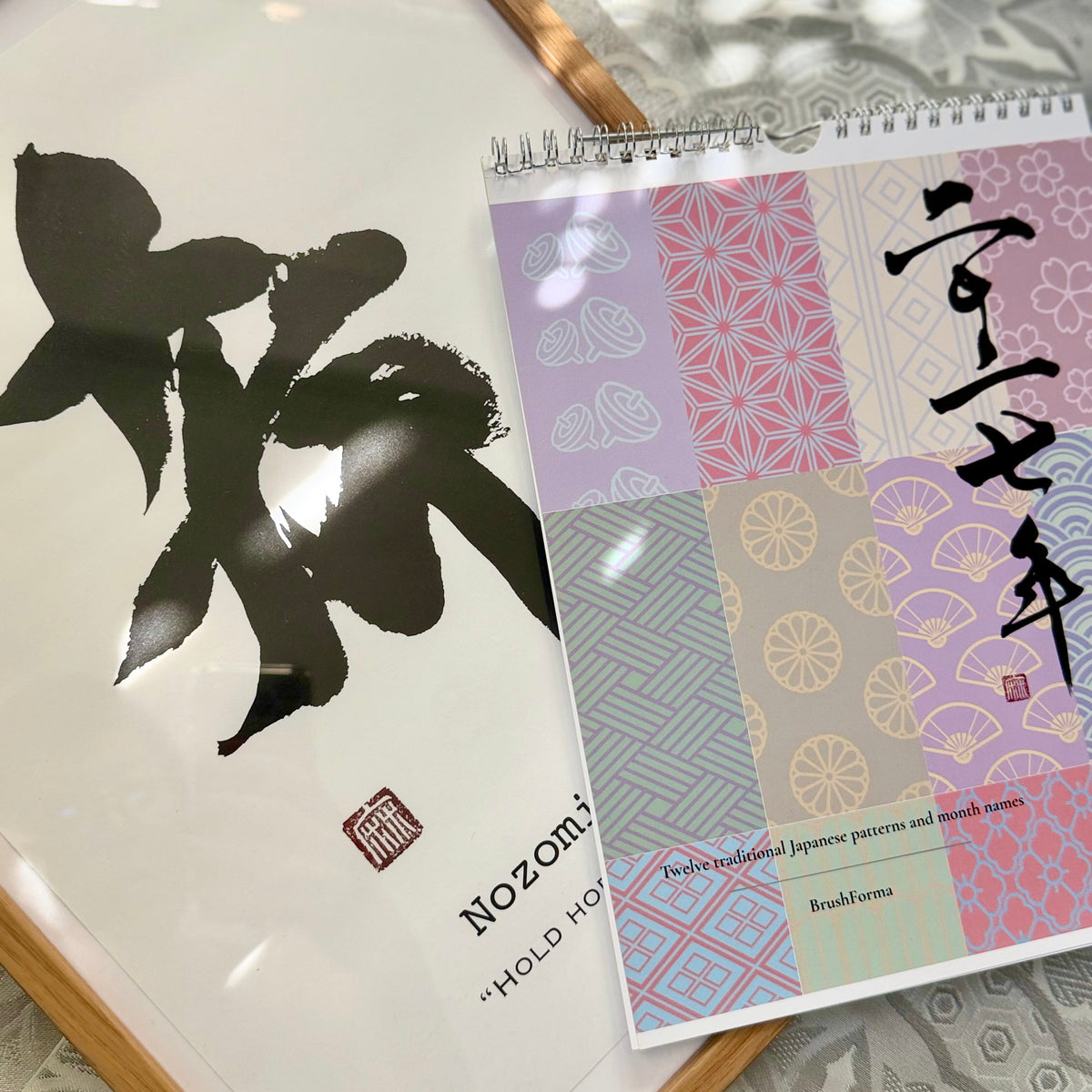
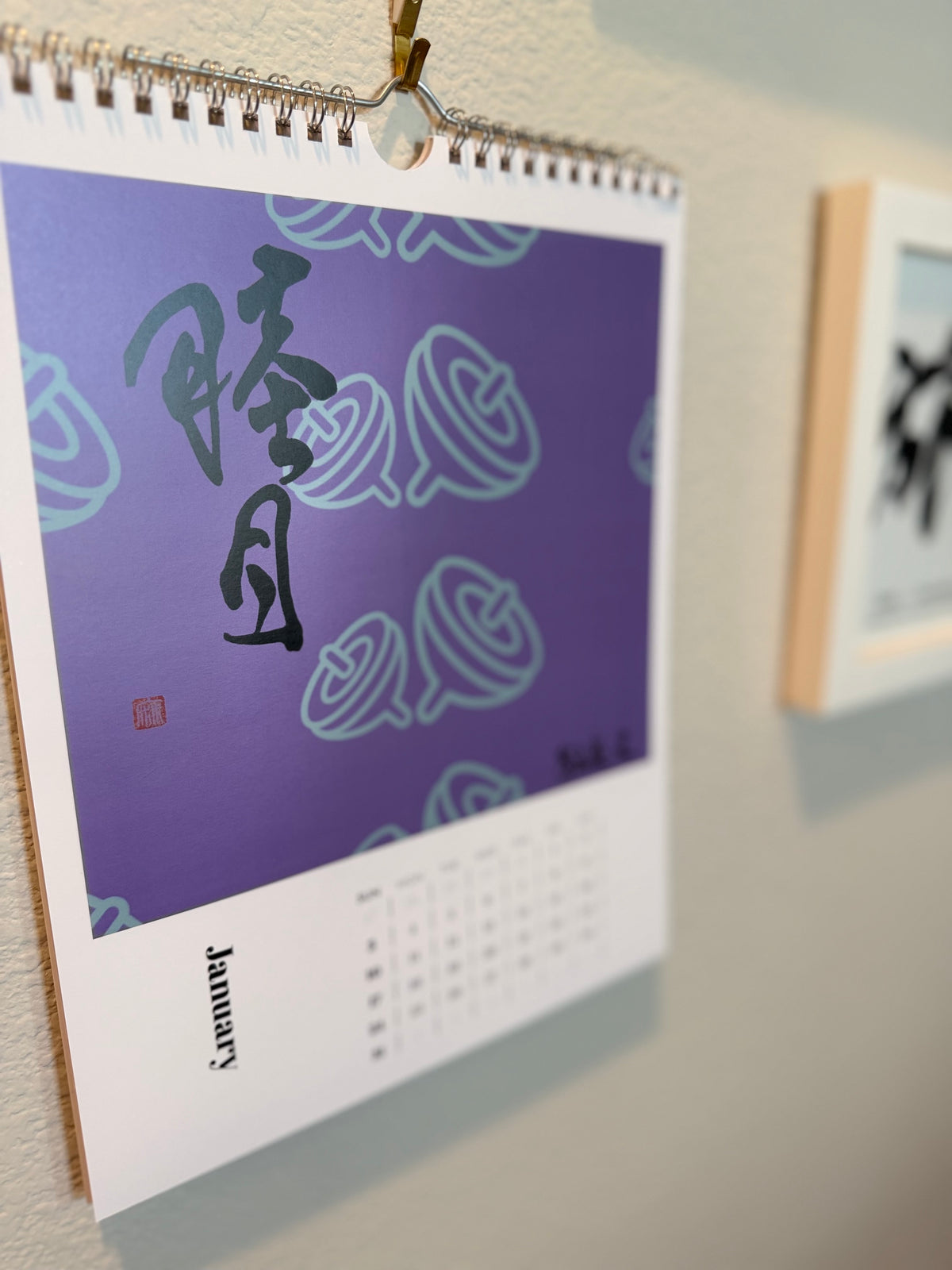
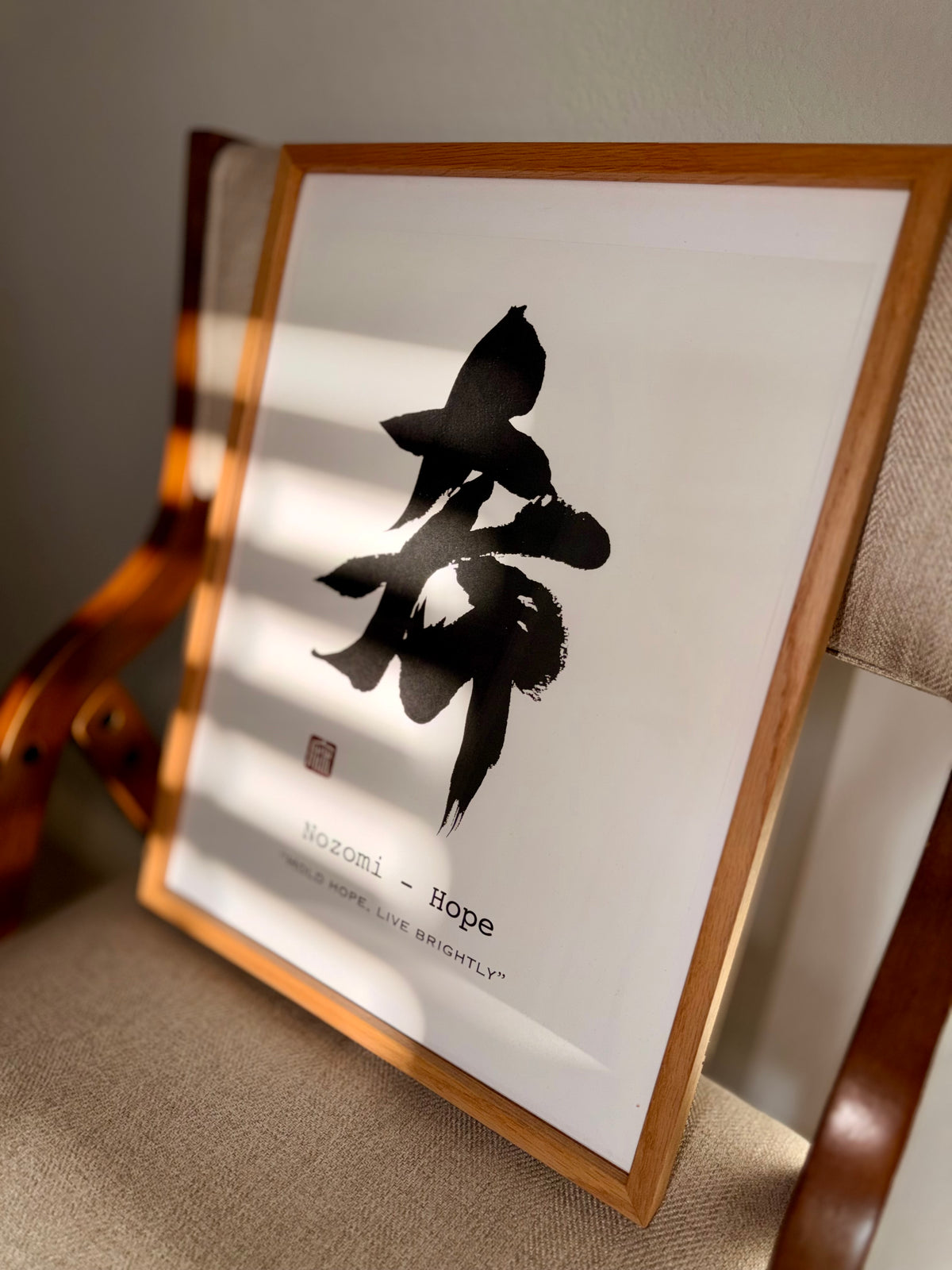
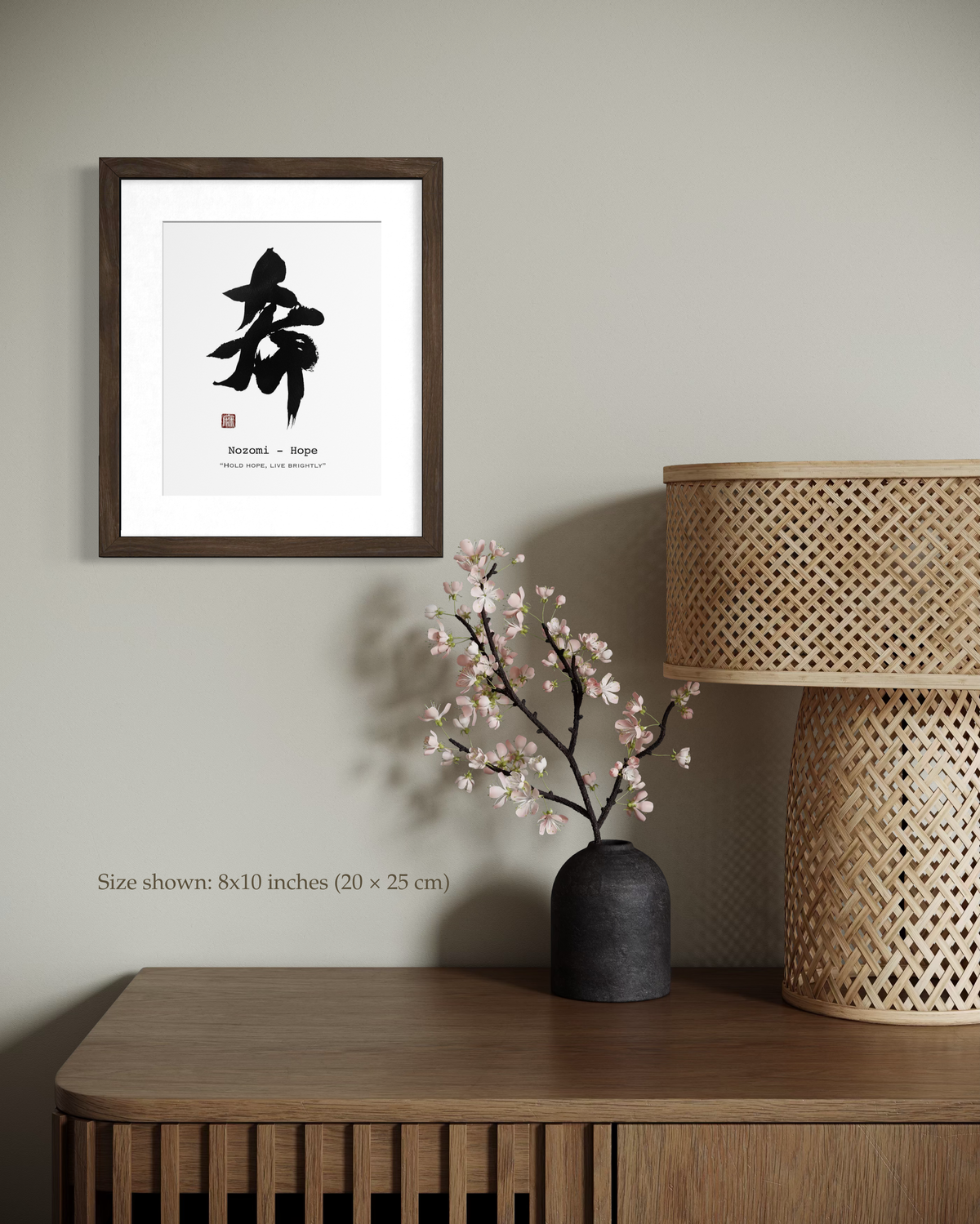
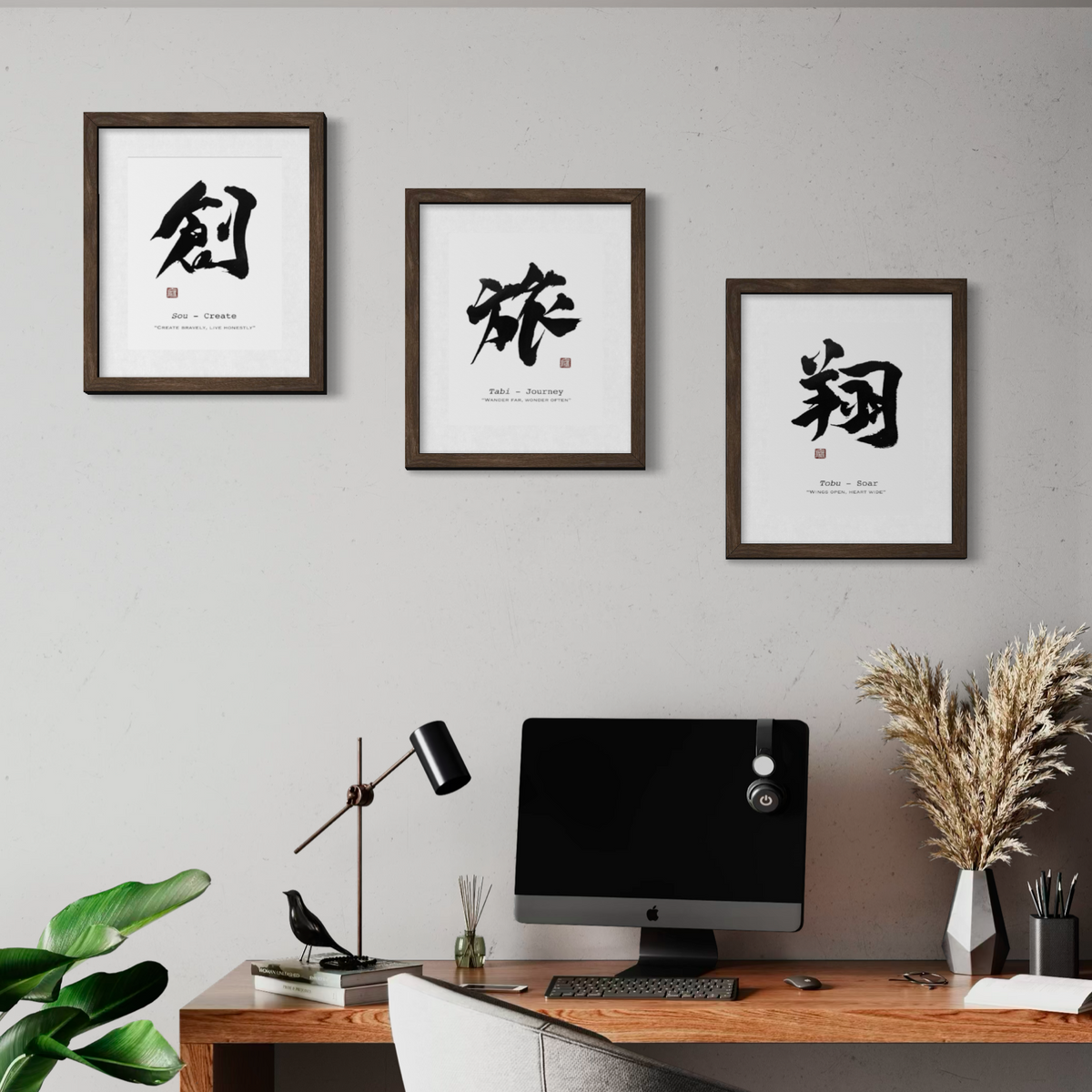
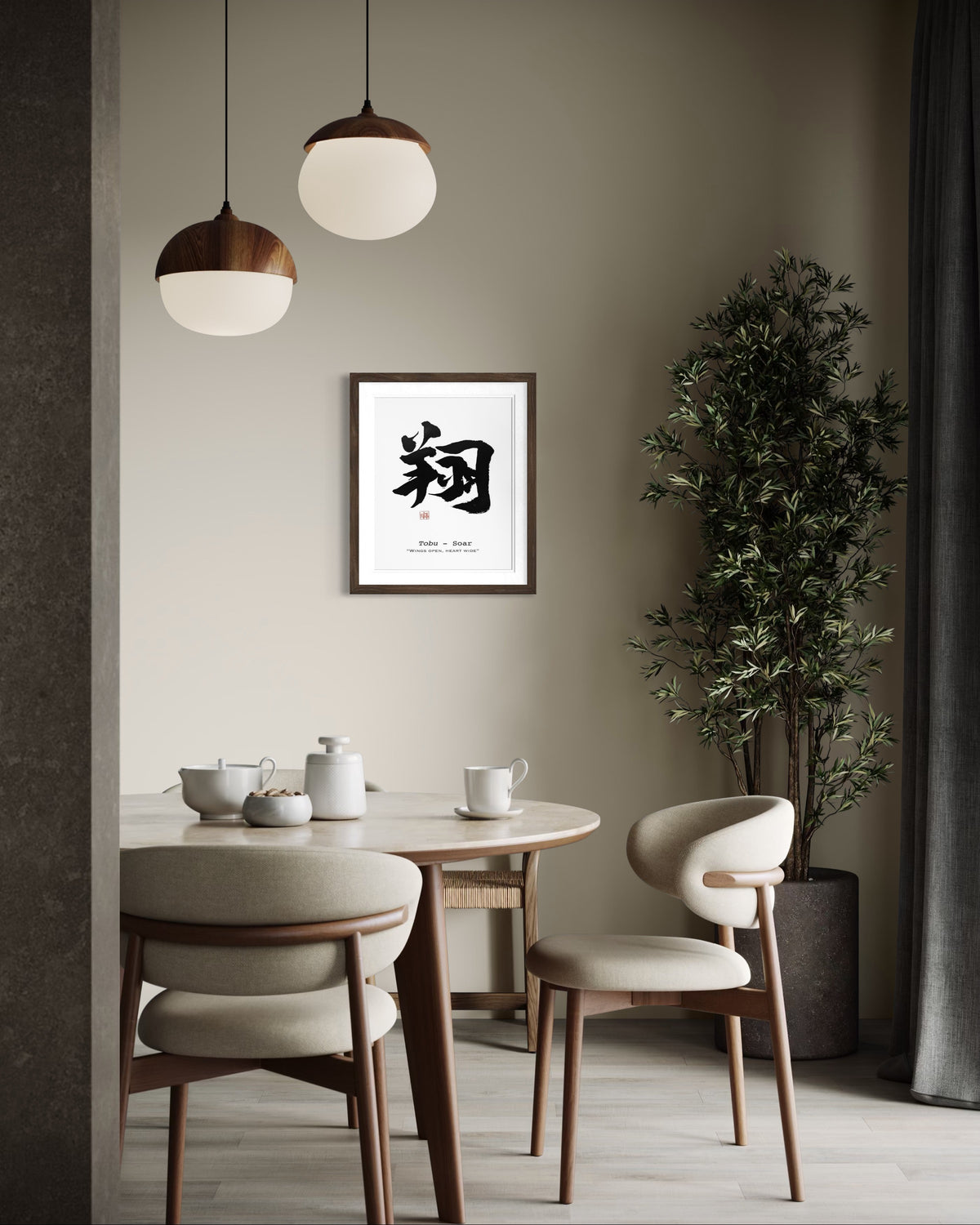
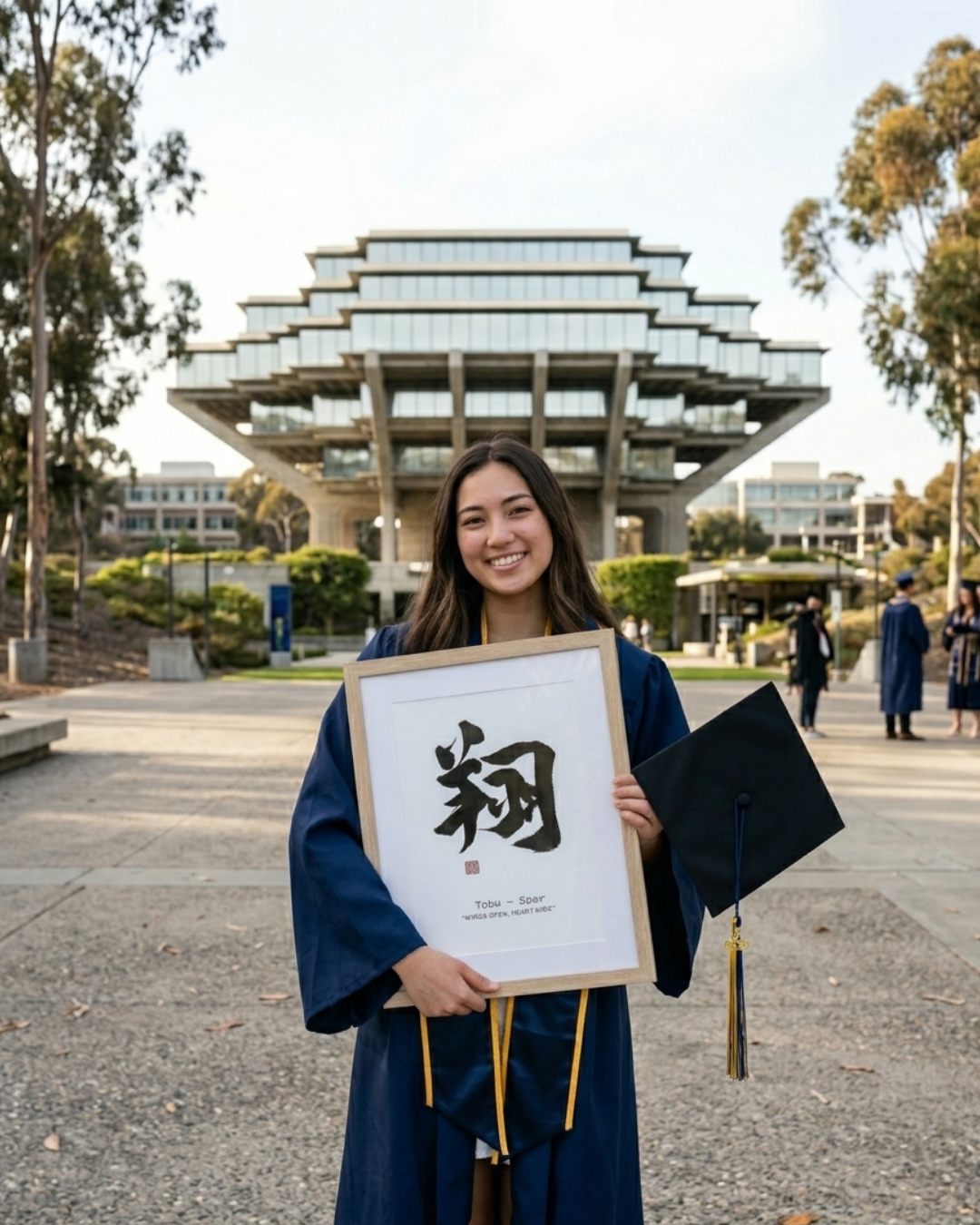
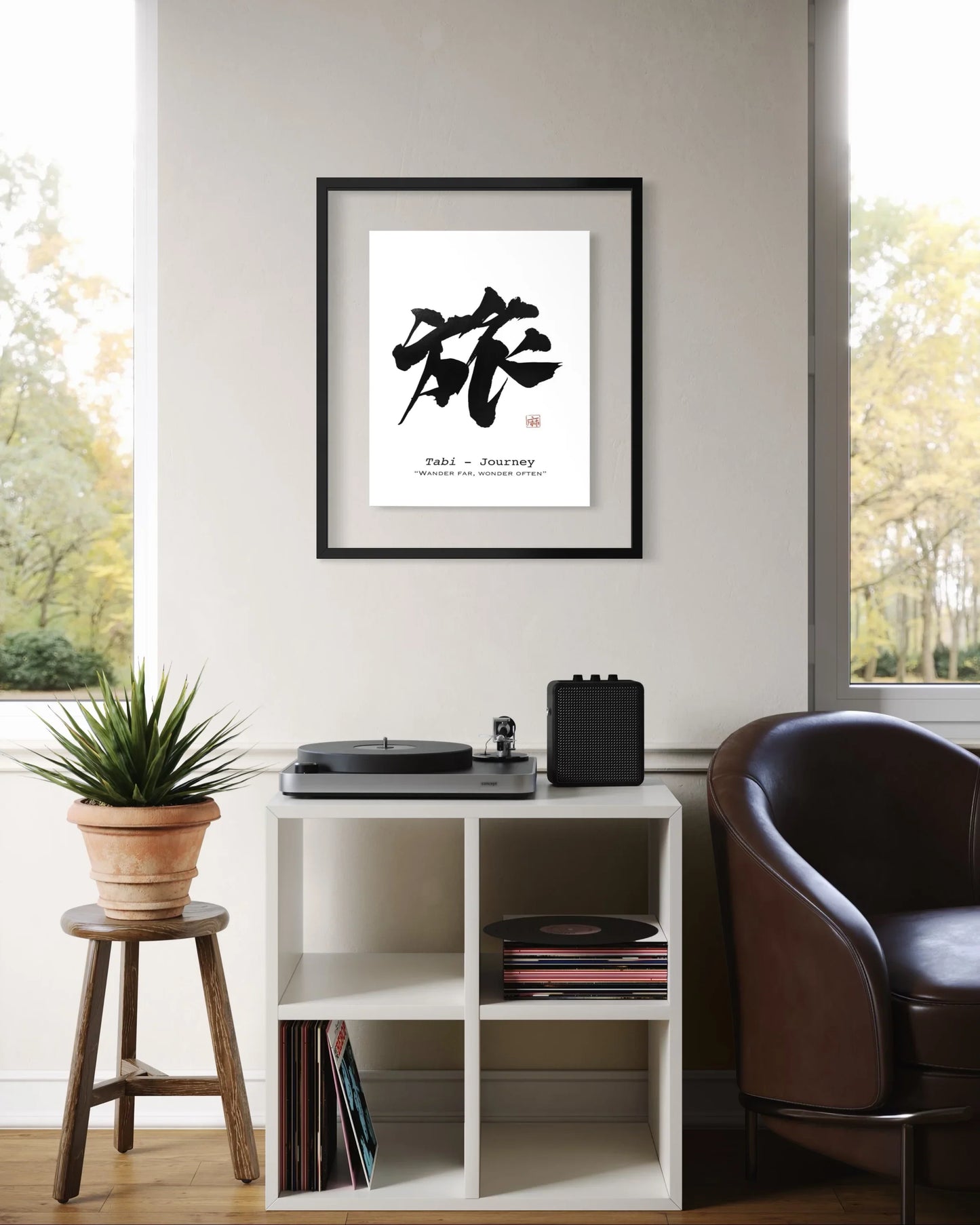
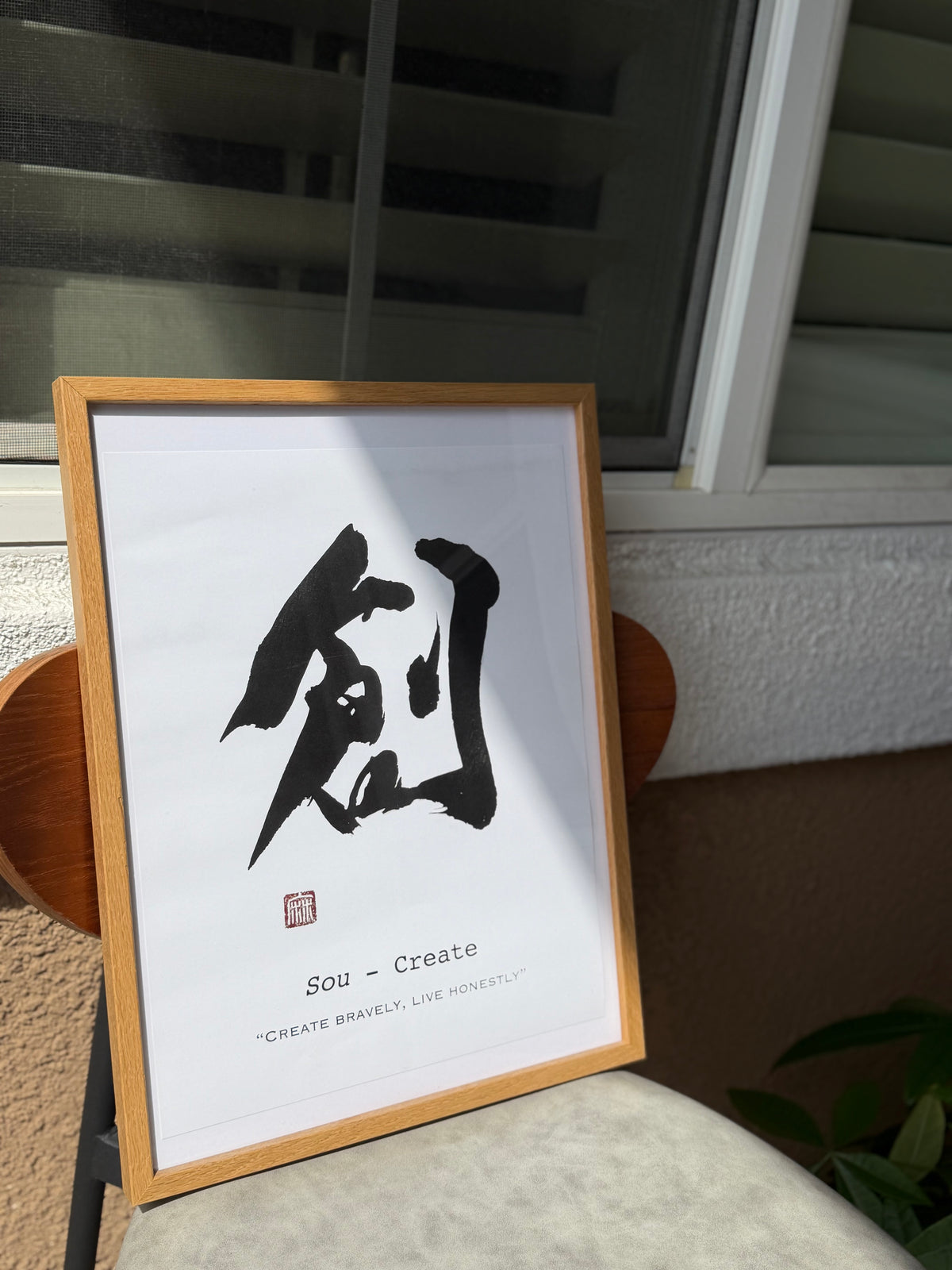
In modern life, this tradition can extend beyond paper. Visual reminders - such as calligraphy art placed in the home - can quietly carry these intentions forward throughout the year.
Bringing These Traditions into Modern Living
You don’t need to follow every custom to honor their spirit.
Even small practices - clearing one corner of a room, choosing art with meaning, or pausing to reflect - can shift how a year begins.
Japanese New Year traditions remind us that intention does not need to be loud to be powerful.
A Gentle Beginning
The New Year is not a race.
It is an opening.
By approaching it with simplicity, care, and reflection, we allow the year to unfold naturally - supported by the spaces we live in and the meanings we choose to keep close.
At BrushForma, we believe this quiet approach to beginnings is something worth returning to, year after year.
For decorating your home with intention after the New Year, check out → New Year, New Wall Art