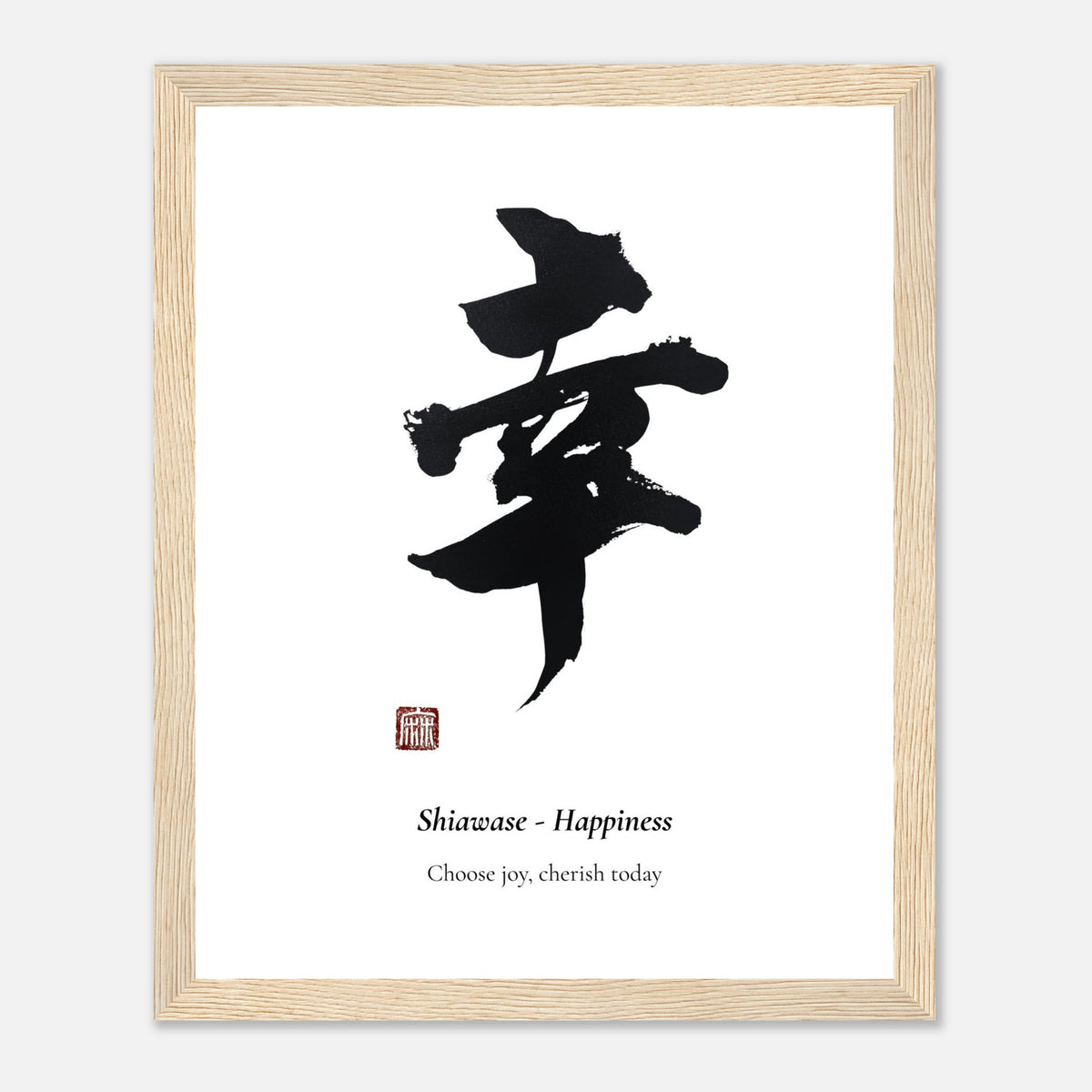
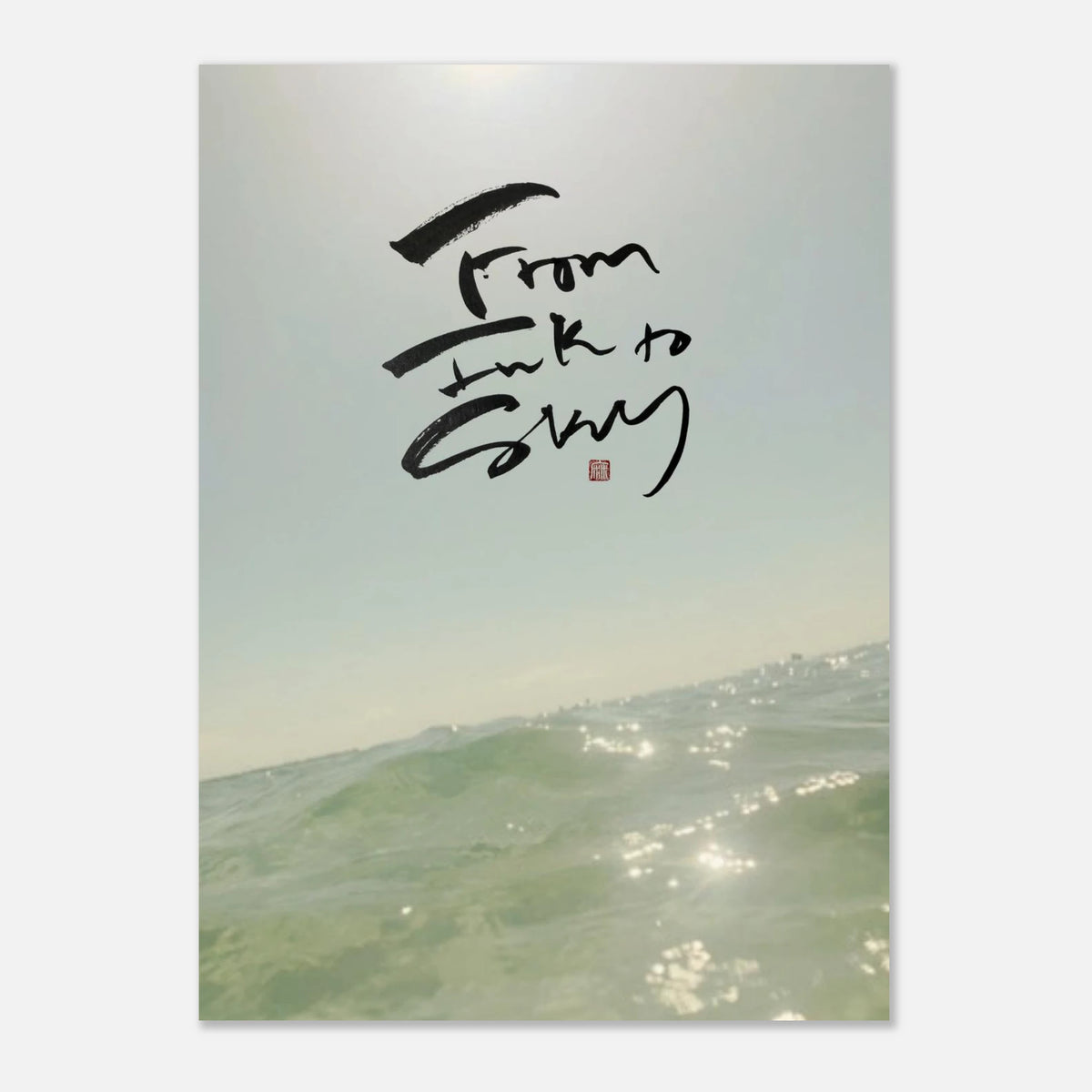
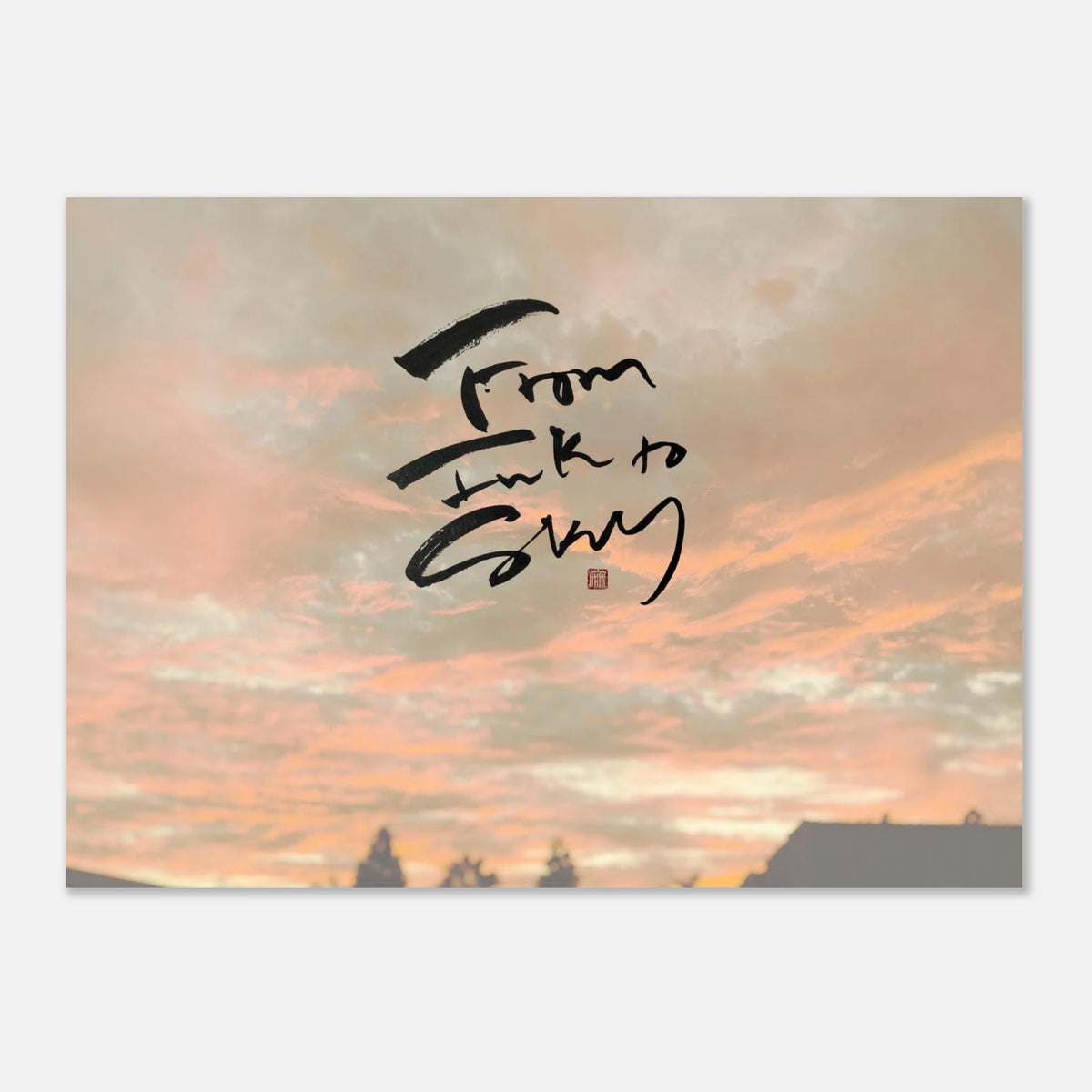
What is Hare no Hi? The Japanese Concept of a Luminous Day
There is a Japanese word for days that feel different from ordinary ones.
Not dramatically different. Not the difference between a wedding and a Tuesday. Subtler than that. The difference between a morning you move through without noticing and a morning the light comes through the window and you stop, briefly, and simply exist inside it.
That word is ハレの日 — hare no hi.
What does Hare no Hi mean?
Literally, 晴れの日 translates as "a clear day" or "a fine day." The kanji 晴 is built from two parts: 日 (sun) and 青 (blue-green, the colour of sky and new growth). Together they describe something between weather and feeling — a day when the sky opens completely and something in you opens with it.
But in Japanese, 晴れ carries more weight than its meteorological meaning.
A wedding day is described as a ハレの日. So is a graduation, a coming-of-age ceremony, a moment of public recognition. These are not simply sunny days. They are significant days — days set apart from the ordinary accumulation of hours. Days that feel, somehow, chosen.
The opposite of 晴れ is 曇り — overcast, clouded. And just as 晴れ is used to describe both sky and ceremony, 曇り describes both grey weather and a kind of inner heaviness. A 晴れやかな表情 — a hare-yaka na kao — is a face that is unclouded. Open. Like a sky with nothing held back.
In this way, 晴れの日 is as much an inner state as an outer one.
Hare no Hi and the Japanese sense of occasion
Japanese culture has long distinguished between the everyday and the significant. The concept of 晴れと褻 (or 霽れと褻 - usually use Katakana - ハレとケ) — Hare to Ke — describes the rhythm between ceremonial days (Hare - ハレ) and ordinary days (Ke - ケ). This is not hierarchy. It is balance. The ordinary days make the luminous ones possible. You cannot have Hare without Ke. The clear sky only means something because you have known the overcast one.
This rhythm shapes how Japanese homes are kept, how objects are chosen, how space is held. Certain things are saved for Hare no Hi. Certain rooms open only on significant occasions. Not from scarcity, but from reverence — the understanding that some things deepen in meaning when they are not made ordinary.
May as a Hare no Hi month
In Japan, May carries this quality naturally.
The pressure of April — new schools, new jobs, new rooms — has passed. The cherry blossoms are gone. What remains is simply the sky: wide, unhurried, blue. The air is warm without heaviness. The light is long. In the spaces between Golden Week and the coming rainy season, Japan breathes out.
These are Hare no hi — not because anything ceremonial is happening, but because the conditions for noticing are finally present. The threshold is behind you. Above you, nothing but open sky.
It is worth asking: when did you last inhabit a day like that? Not move through it. Inhabit it.
Hare no Hi and the objects we choose
If certain days carry a different quality of light, it follows that the spaces we inhabit can either hold that quality or dissolve it.
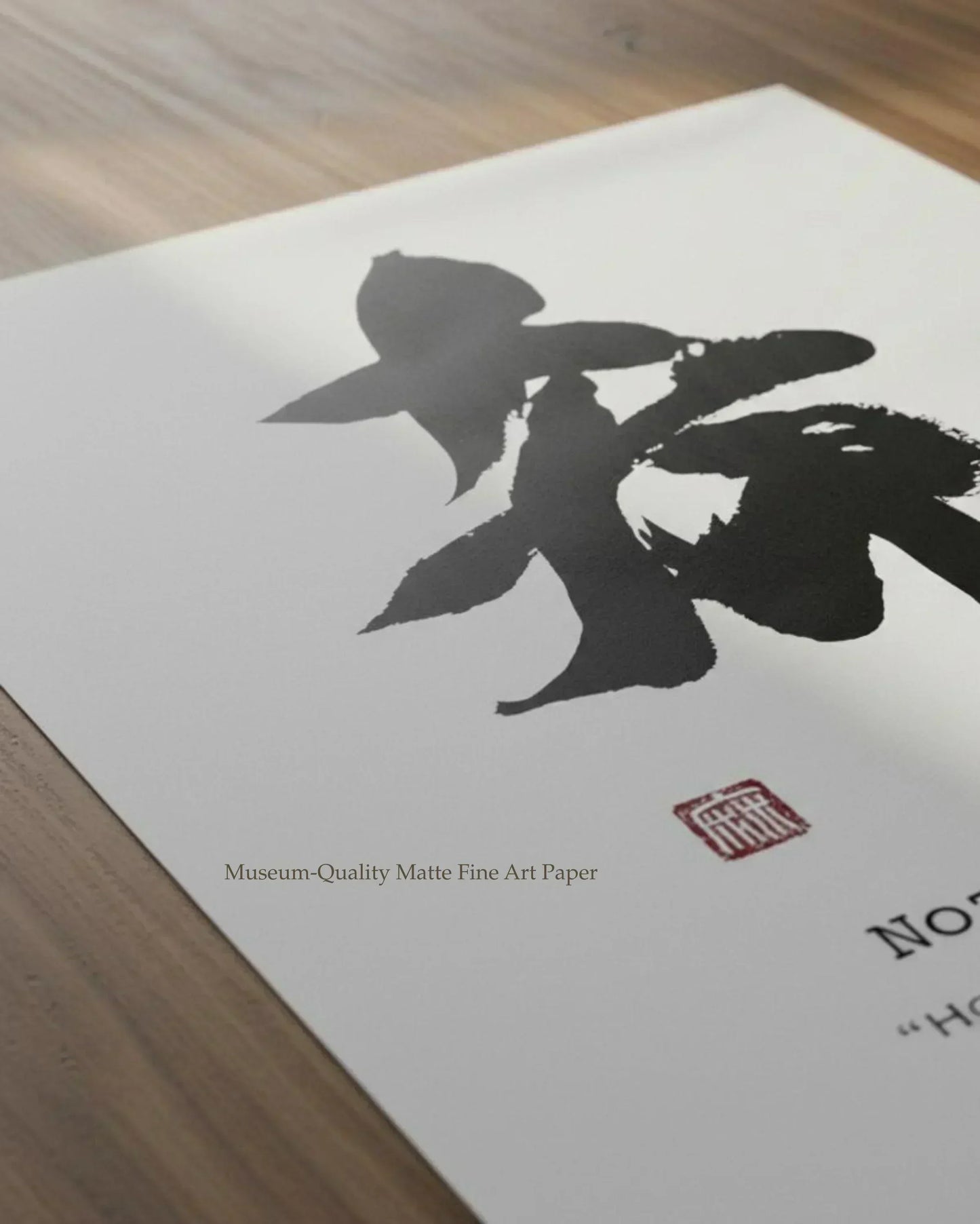
This is something Shodō — the way of the brush — understands. Each piece of calligraphy is made in a specific moment. The ink, the paper, the pressure, the breath. That moment is unrepeatable. The finished work holds it not as a record, but as a residue. Something of the state in which it was made remains in the object.
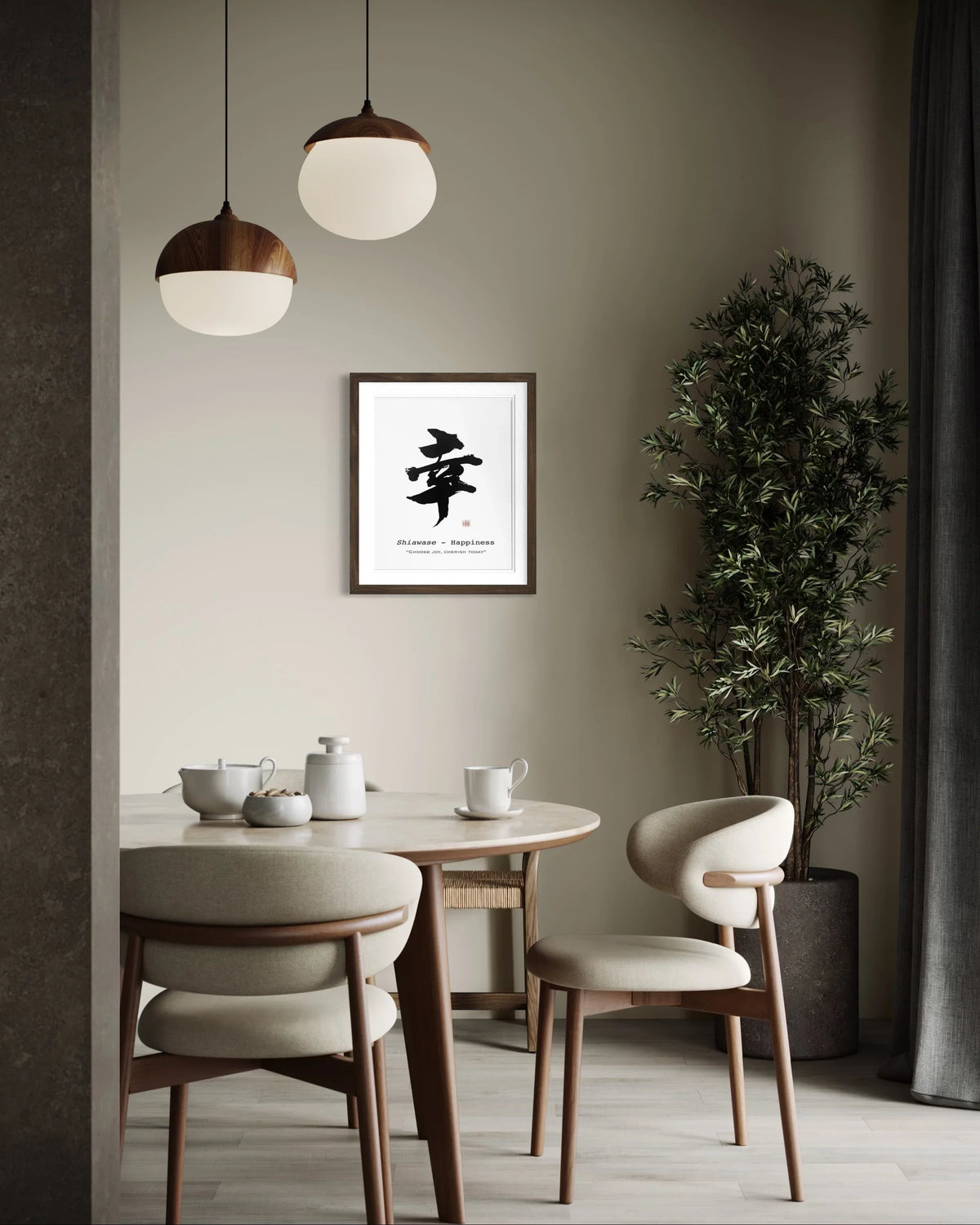
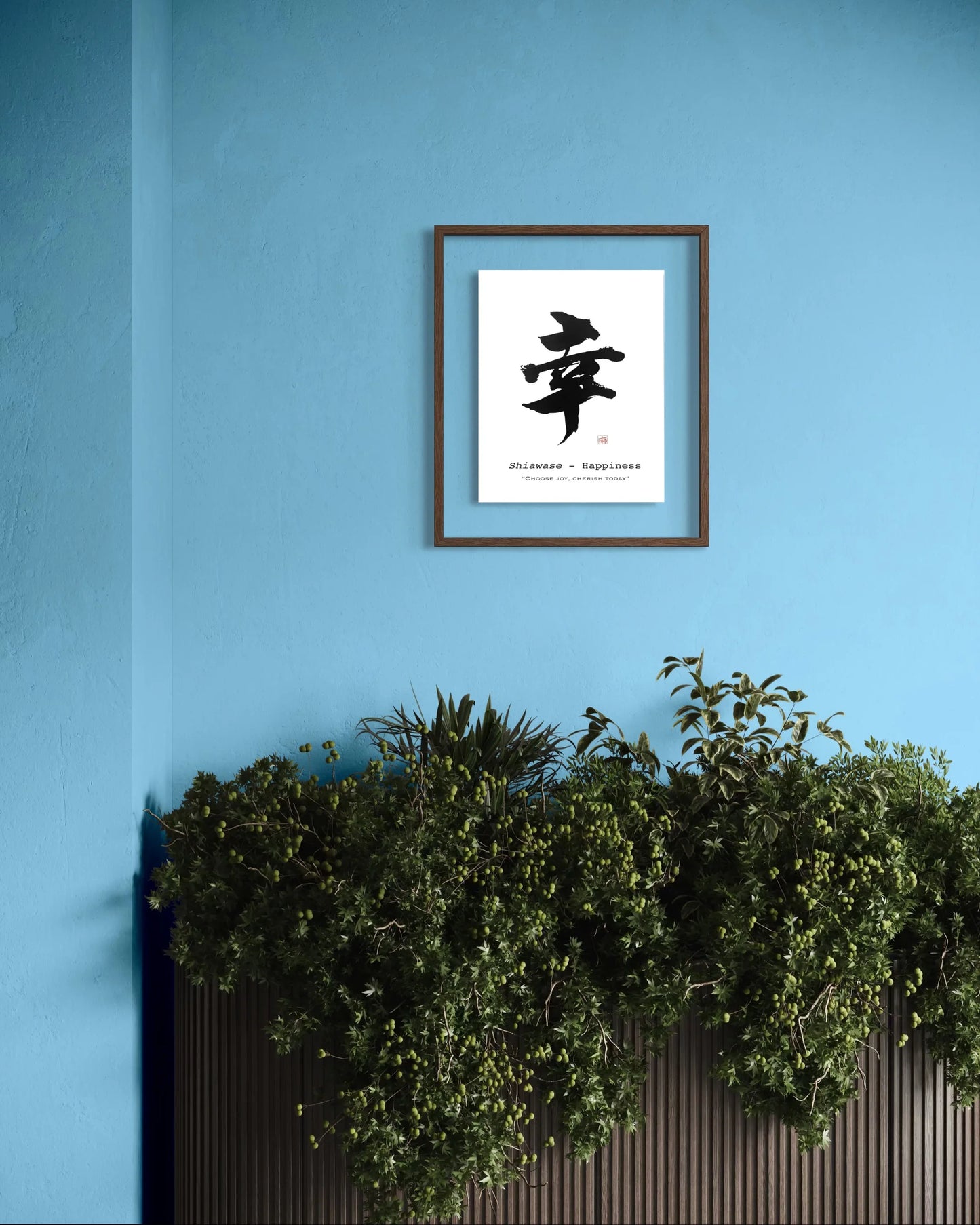
An object chosen with this awareness does something a decorated object cannot. It does not merely fill space. It holds quality. On ordinary days, it is simply there. On luminous days, you notice it — and the room, somehow, becomes part of the occasion.
This is what it means to collect with intention. Not to accumulate, but to curate the conditions for Hare no Hi.
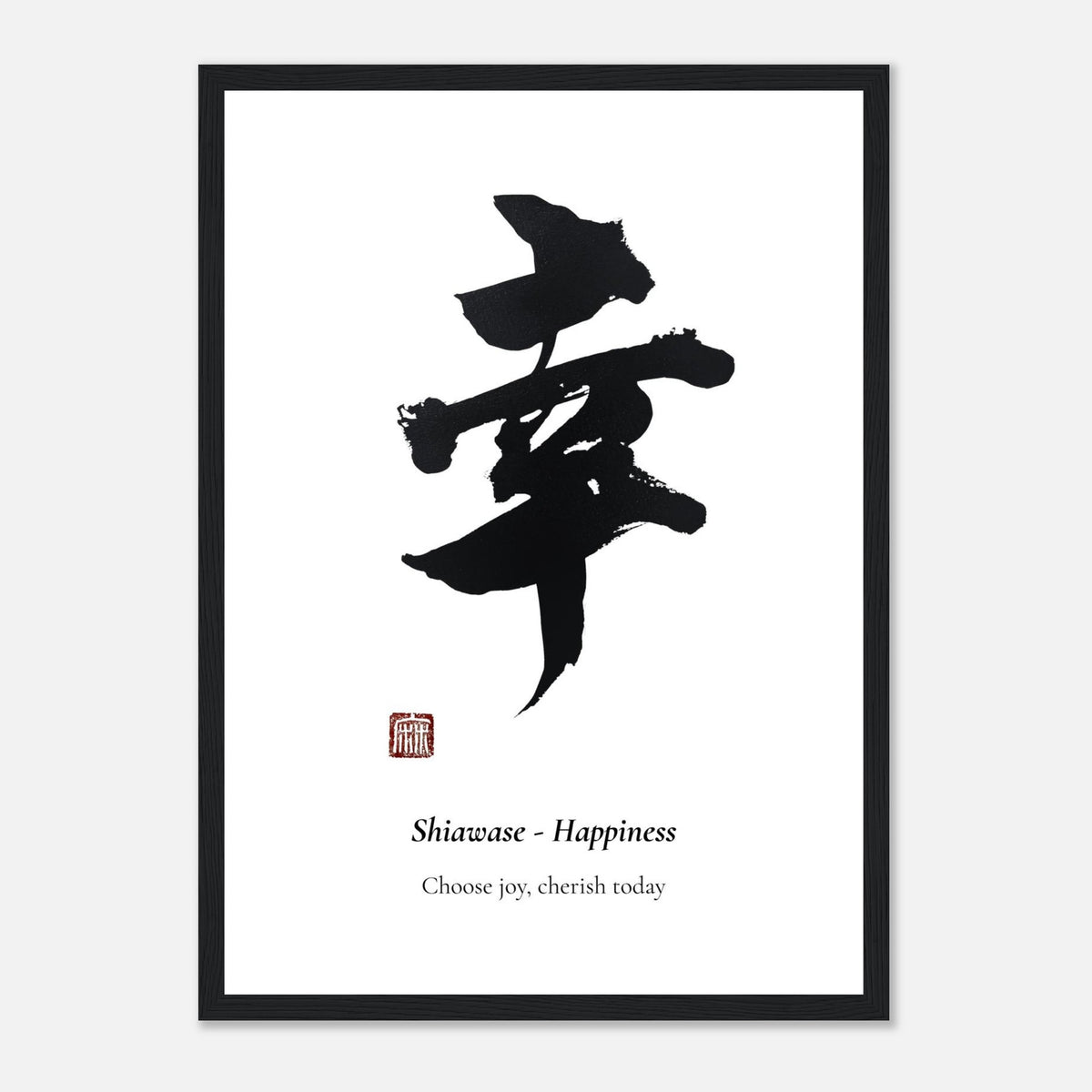
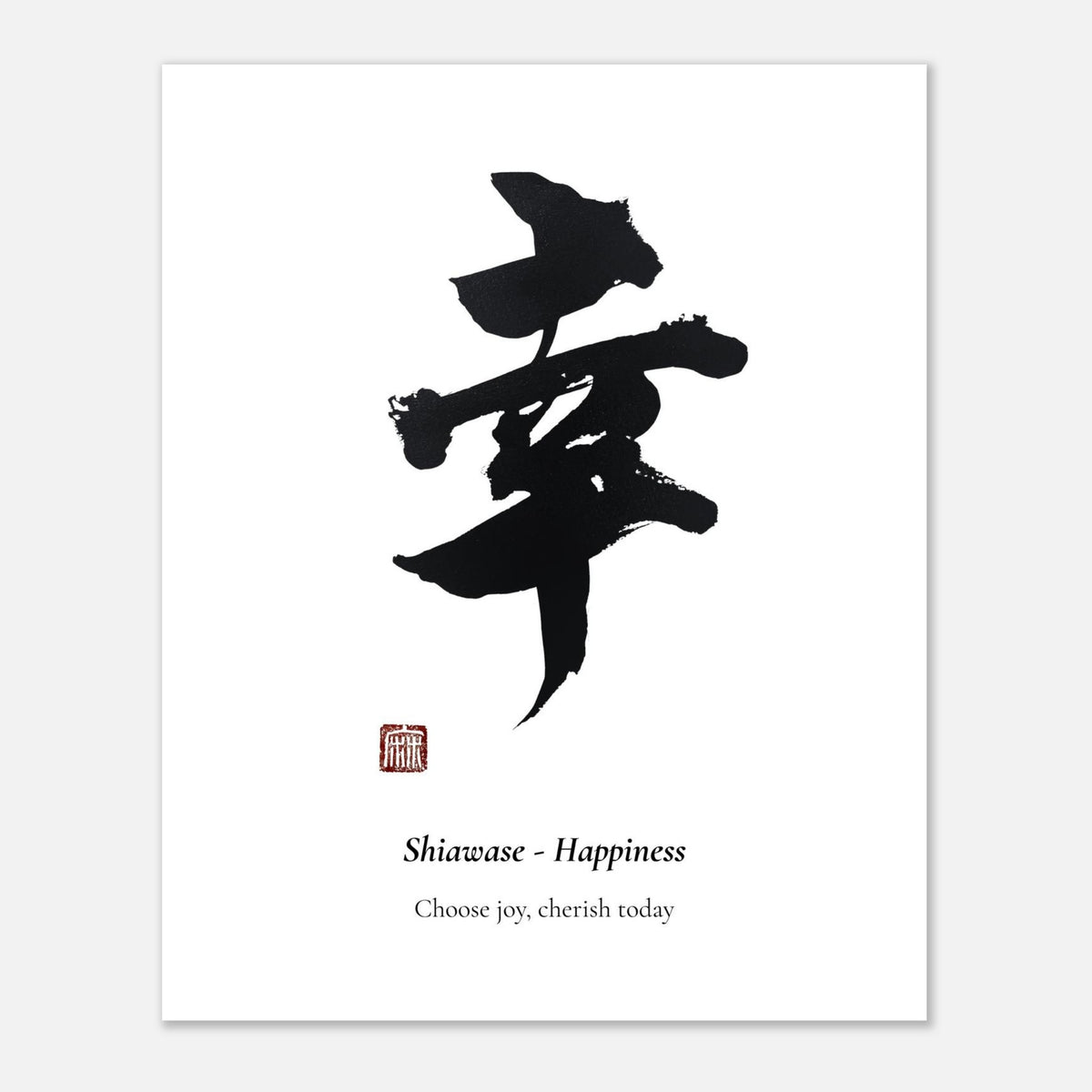
Among the objects made for Hare no Hi, none carries this more directly than 寿 (Kotobuki) — a character meaning celebration, longevity, and enduring joy. Traditionally brushed for weddings and milestone anniversaries, it has long marked the days a family chooses to remember. Personalized with names and a date, it becomes not just a symbol of the occasion, but a record of it — ink that holds the moment the way memory rarely can.
Further reading