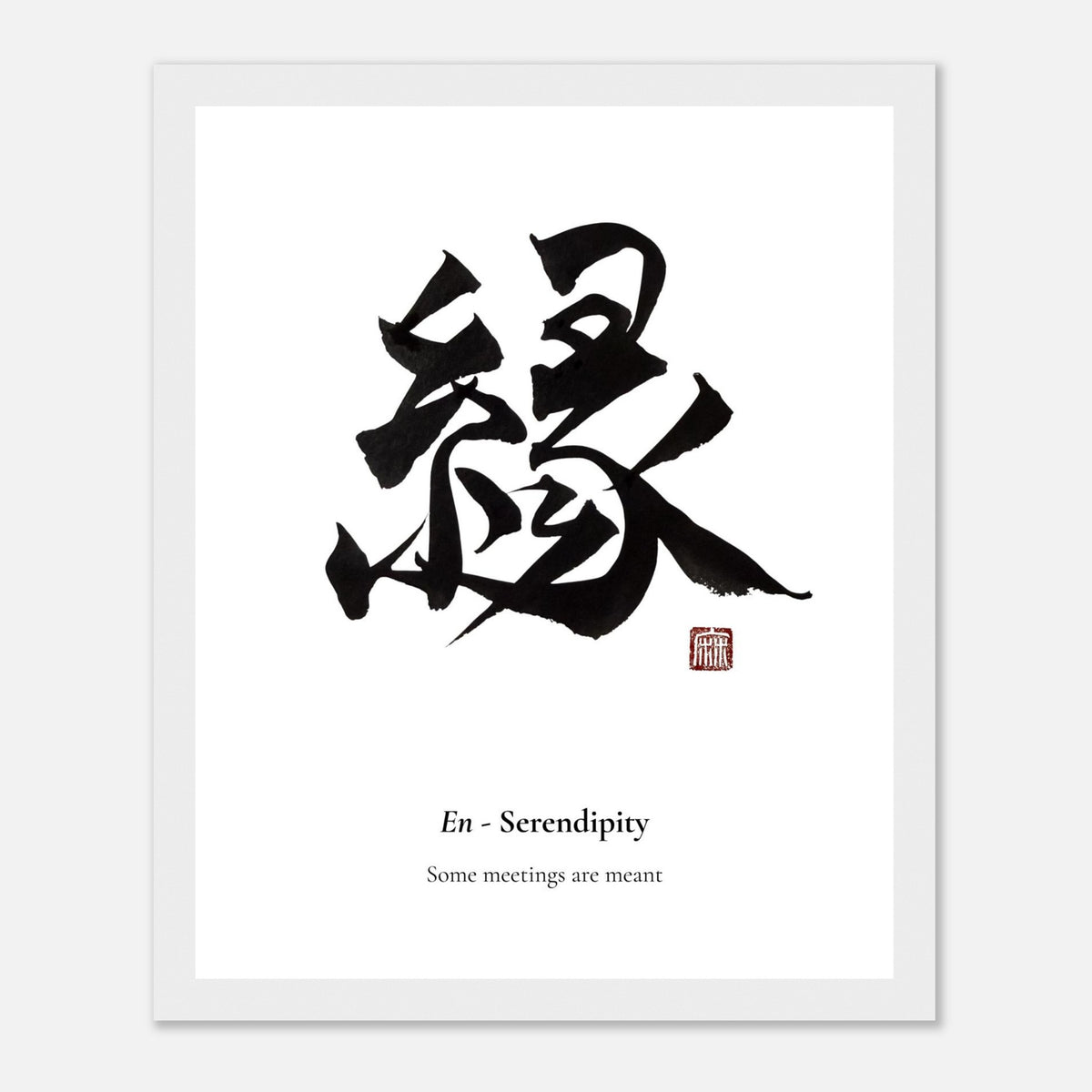
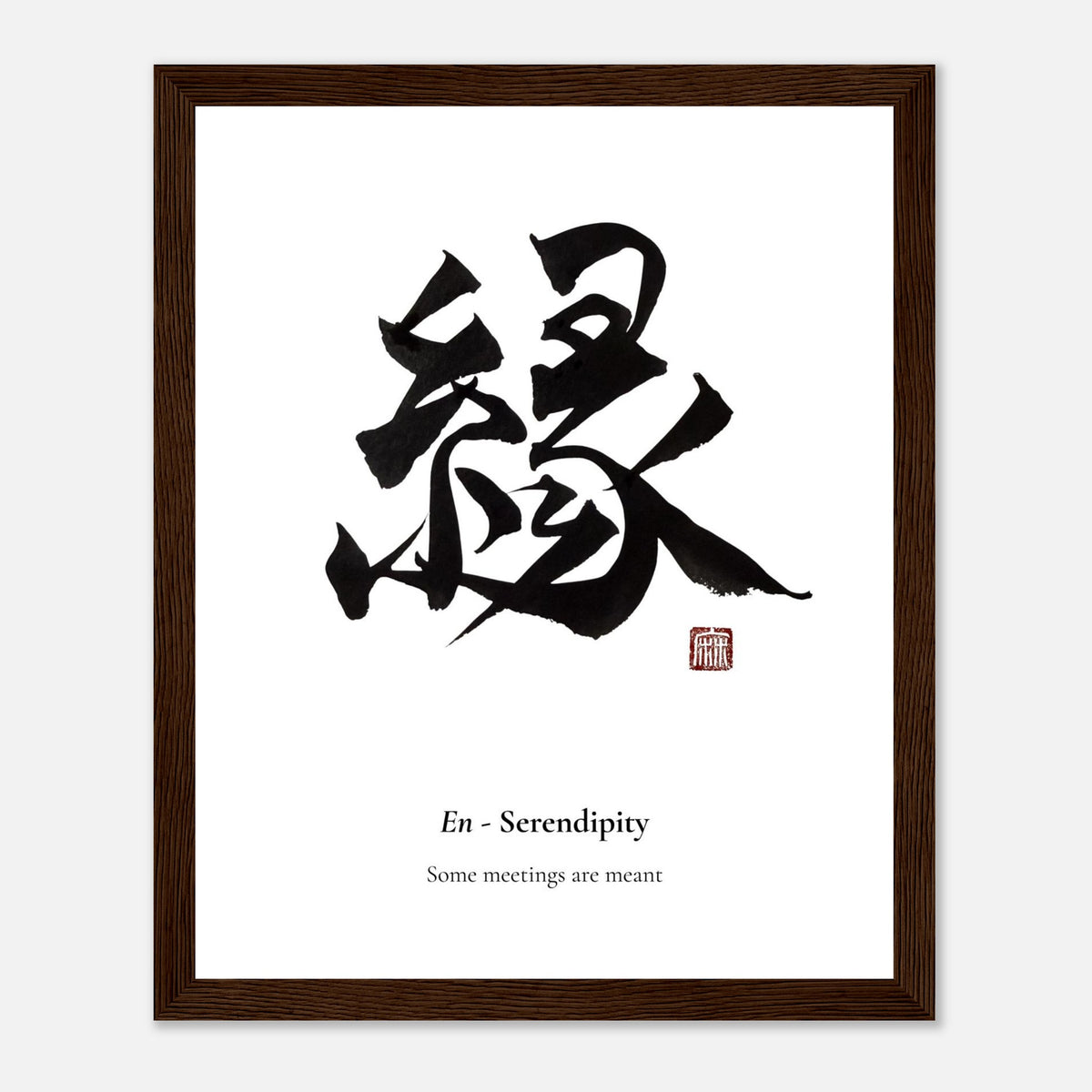
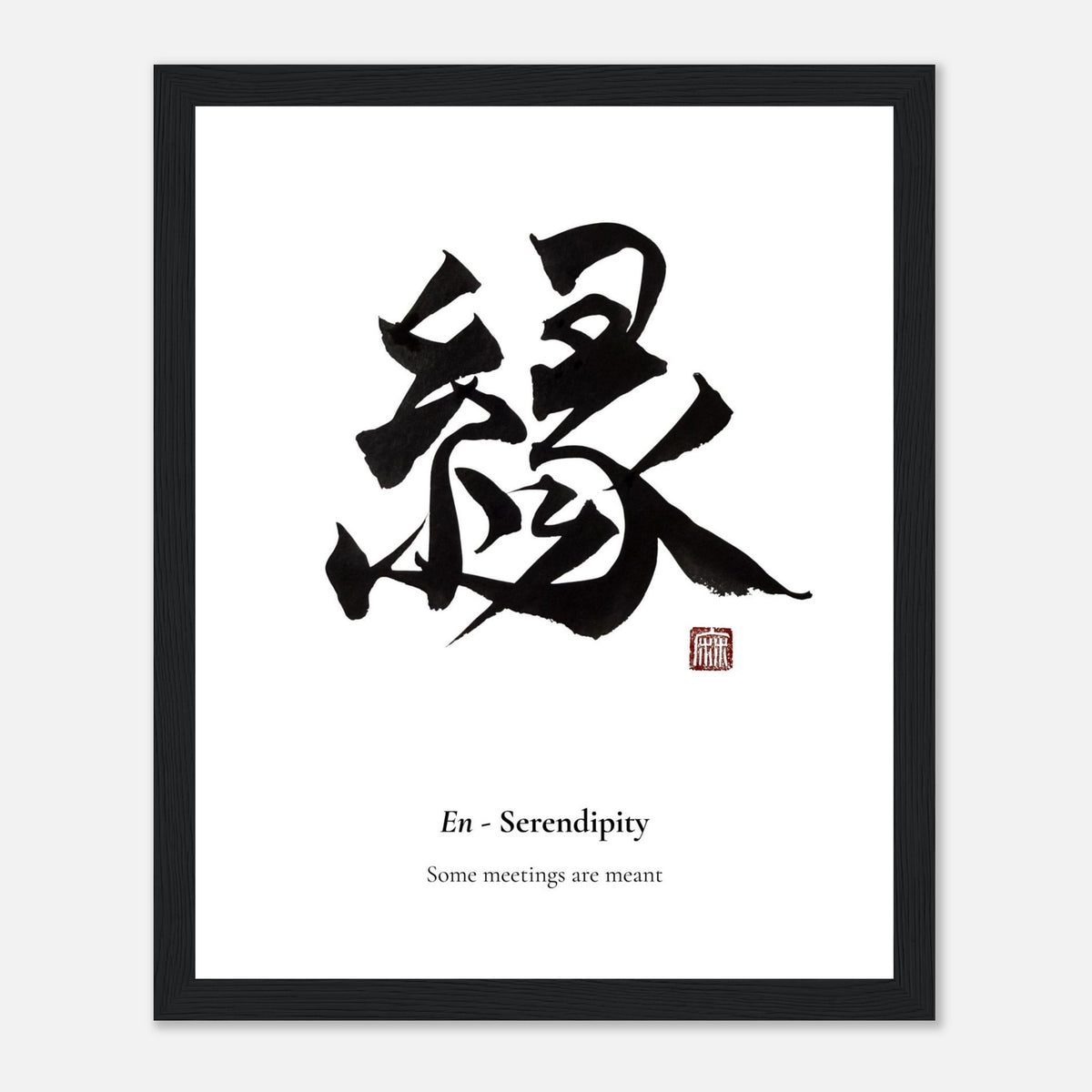
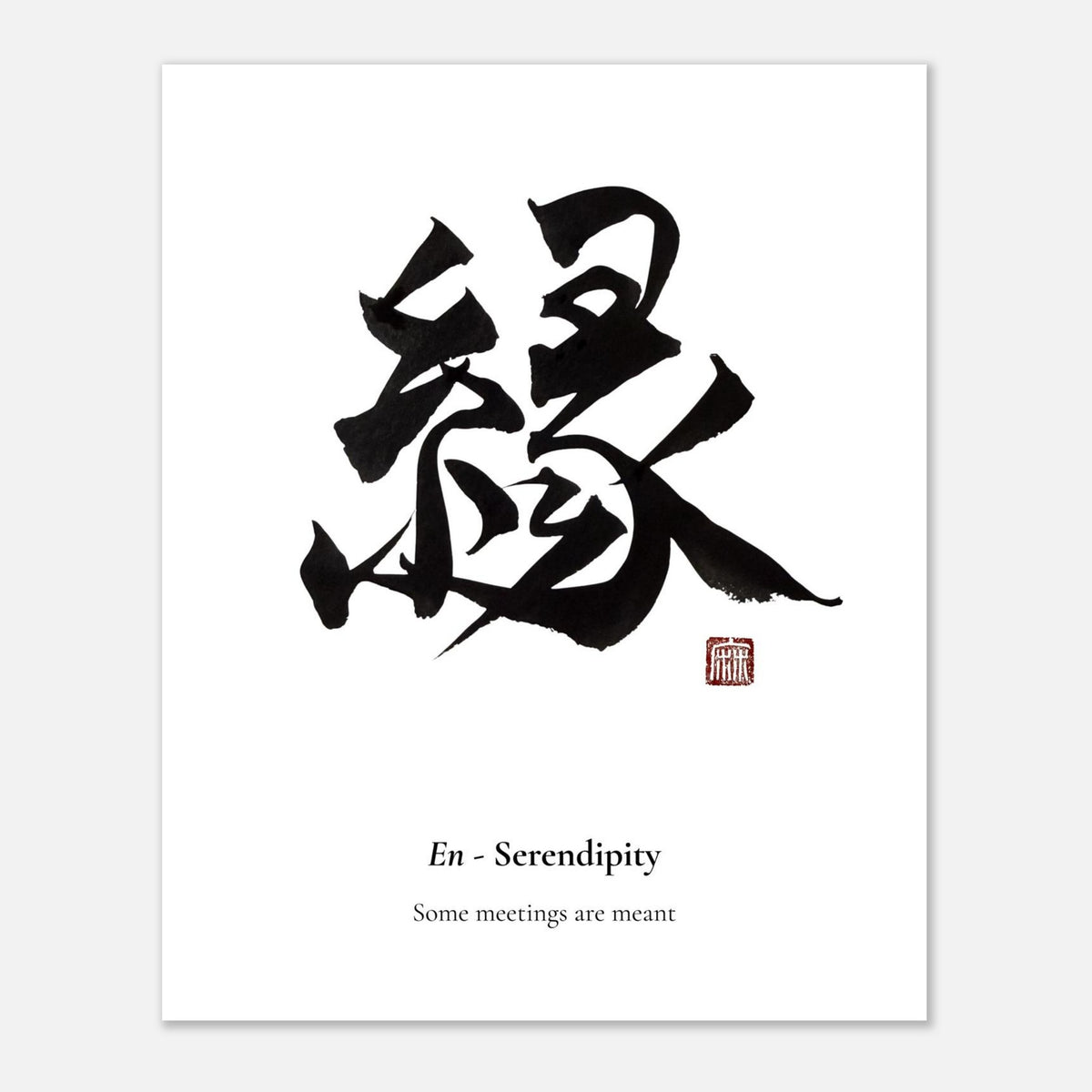
Ichigo Ichie — The Japanese Philosophy That Changes How You See Original Art
This moment will not come again. Neither will this brushstroke.
There is a Japanese phrase that tea masters have lived by for centuries. It is spoken before a ceremony begins — a quiet reminder that shapes everything that follows.
一期一会. Ichigo ichie.
It means: one time, one meeting. This gathering, this moment, this cup of tea — it will never exist again in exactly this way. The people, the light, the season, the mood in the room. All of it is happening once. Treat it accordingly.
It is one of the most beautiful ideas in Japanese philosophy. And it changes completely how you understand what it means to own an original work of art.
Where Ichigo Ichie Comes From
The phrase is most closely associated with Sen no Rikyu, the sixteenth-century tea master who defined the Japanese tea ceremony as we know it. For Rikyu, a tea gathering was not a ritual to be repeated identically each time. It was a singular encounter — shaped by the specific people present, the specific moment in the year, the specific quality of silence in the room.
The instruction was not sentimental. It was practical: because this will never happen again, be fully here for it.
Ichigo ichie sits alongside wabi-sabi and Ma as a core thread of Japanese aesthetics — a reminder that impermanence is not a problem to solve but a quality to honour.
What This Means for Art
When an artist picks up a brush and makes a mark on paper, something happens that cannot be exactly repeated.
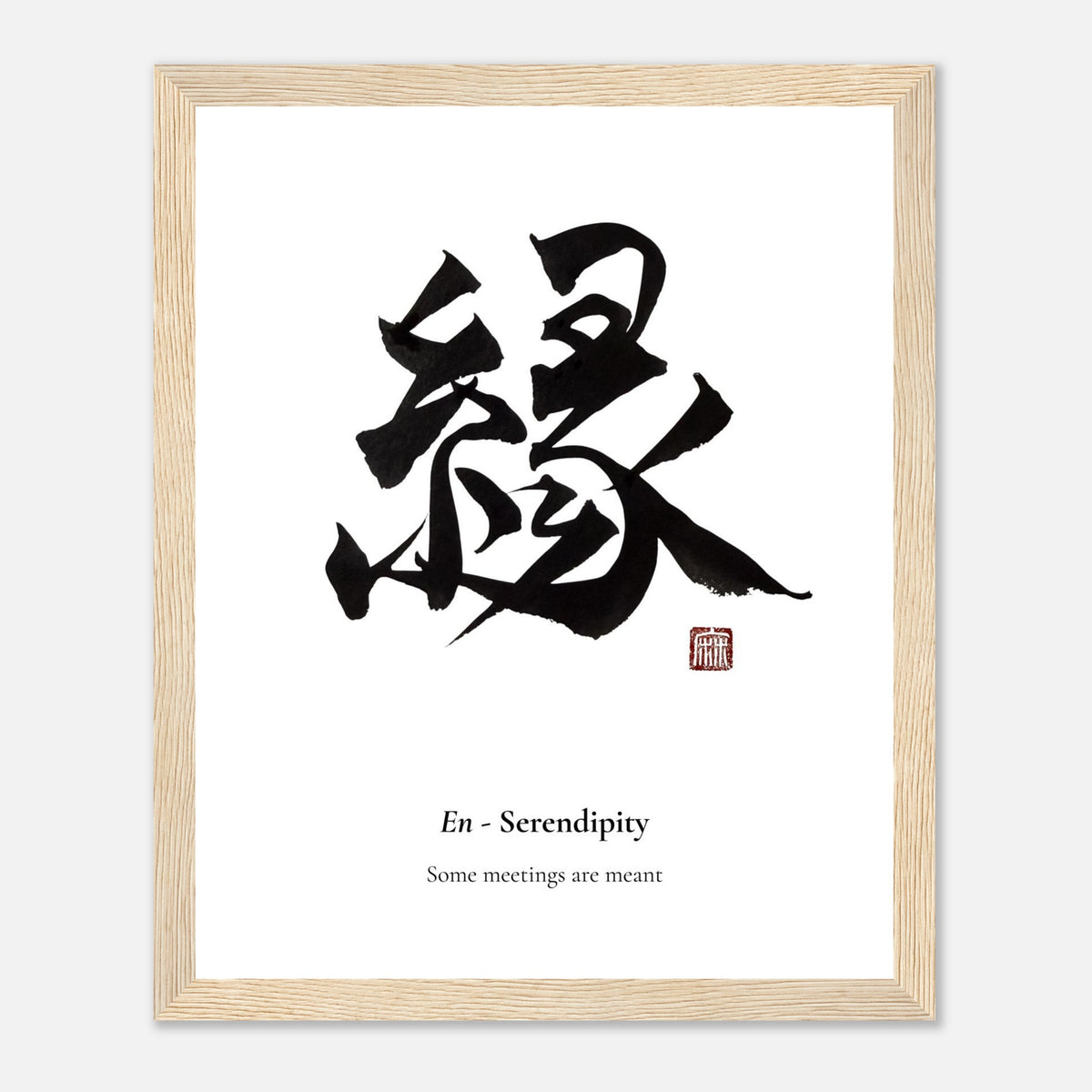
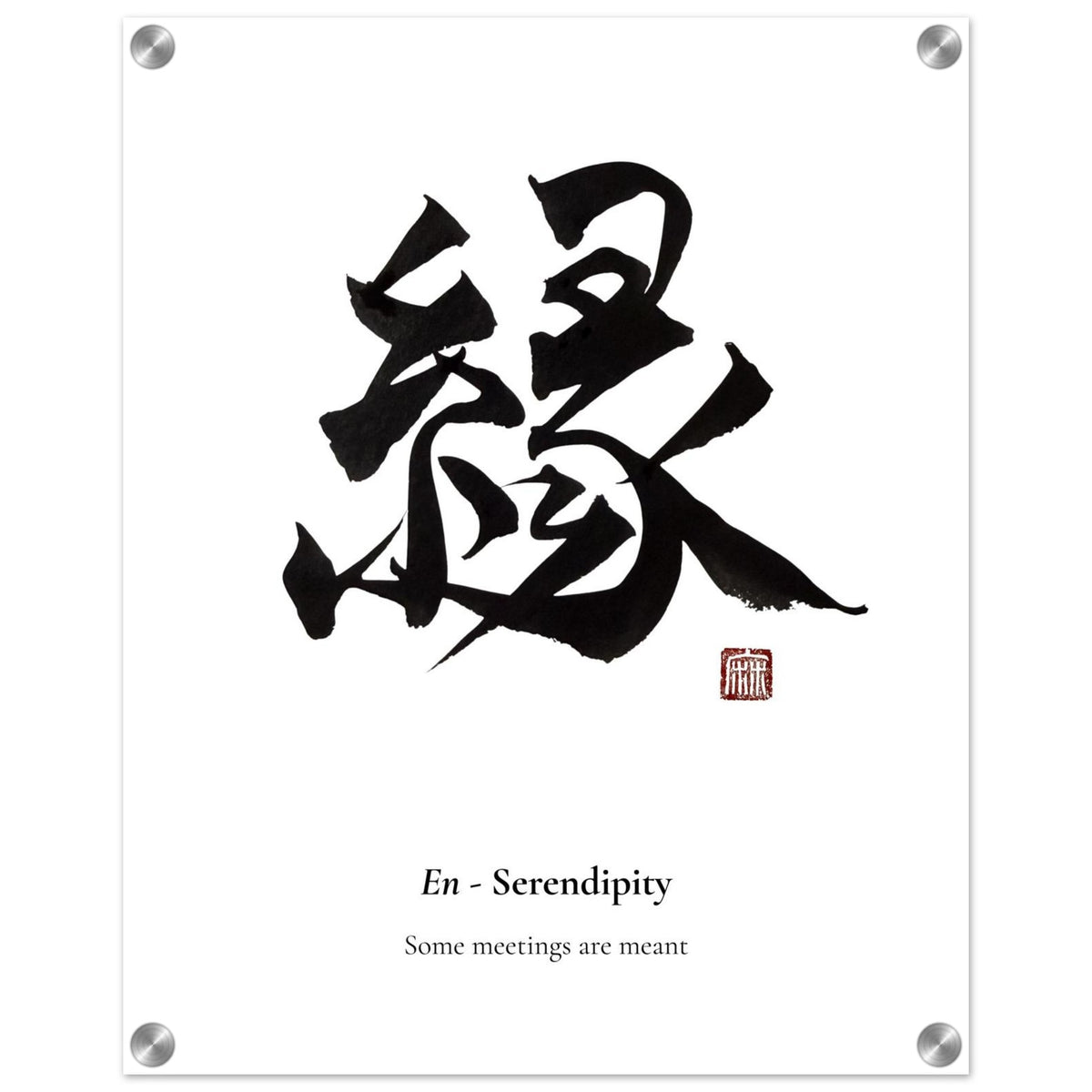
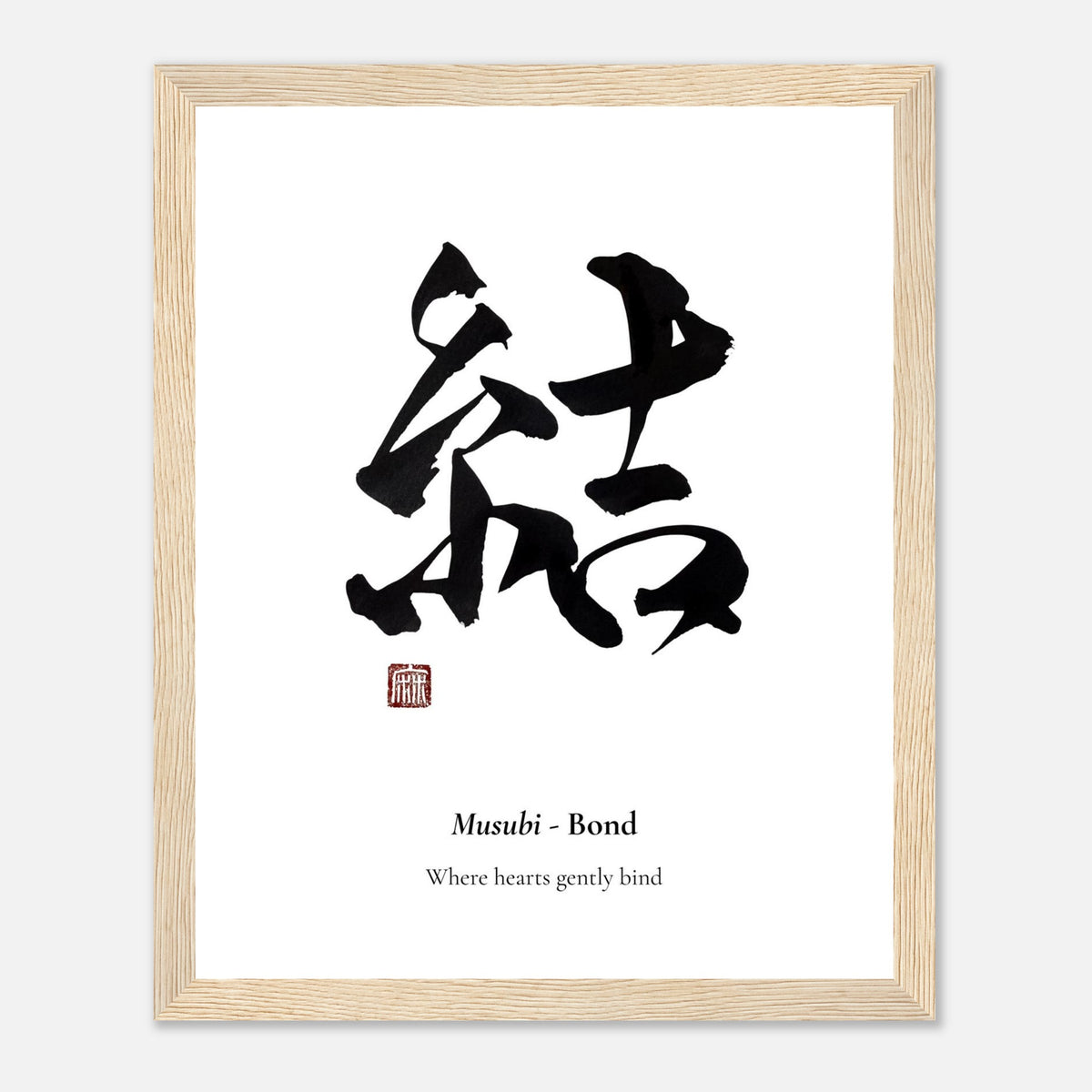
The pressure of the hand, the speed of the stroke, the quality of attention in that specific moment — all of these are unrepeatable variables. A calligrapher who makes the same character a hundred times will produce a hundred different works. Each one is a record of a moment. Each one is ichigo ichie made visible.
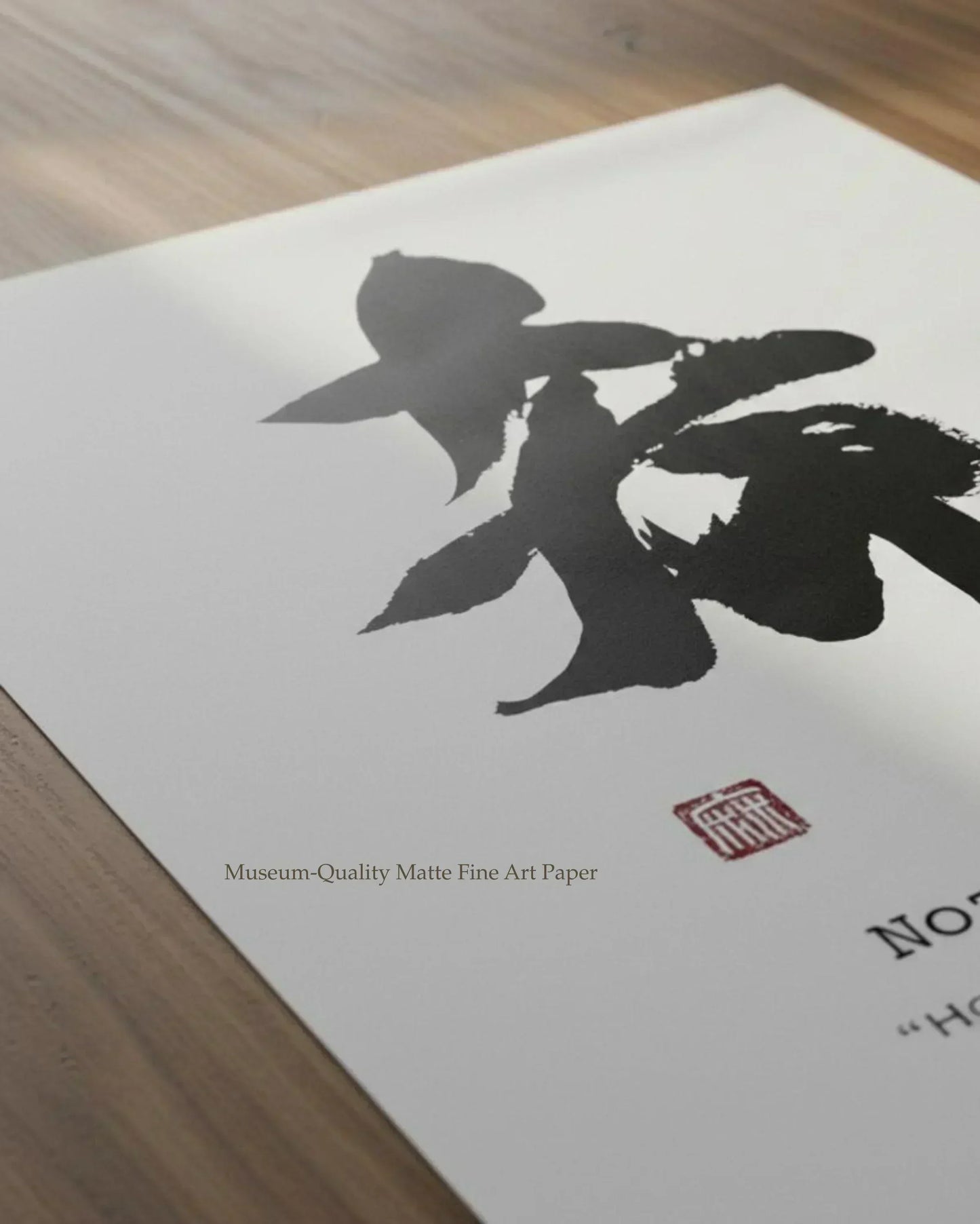
This is what separates an original work from a print. A print is a reproduction of a moment. An original is the moment itself.
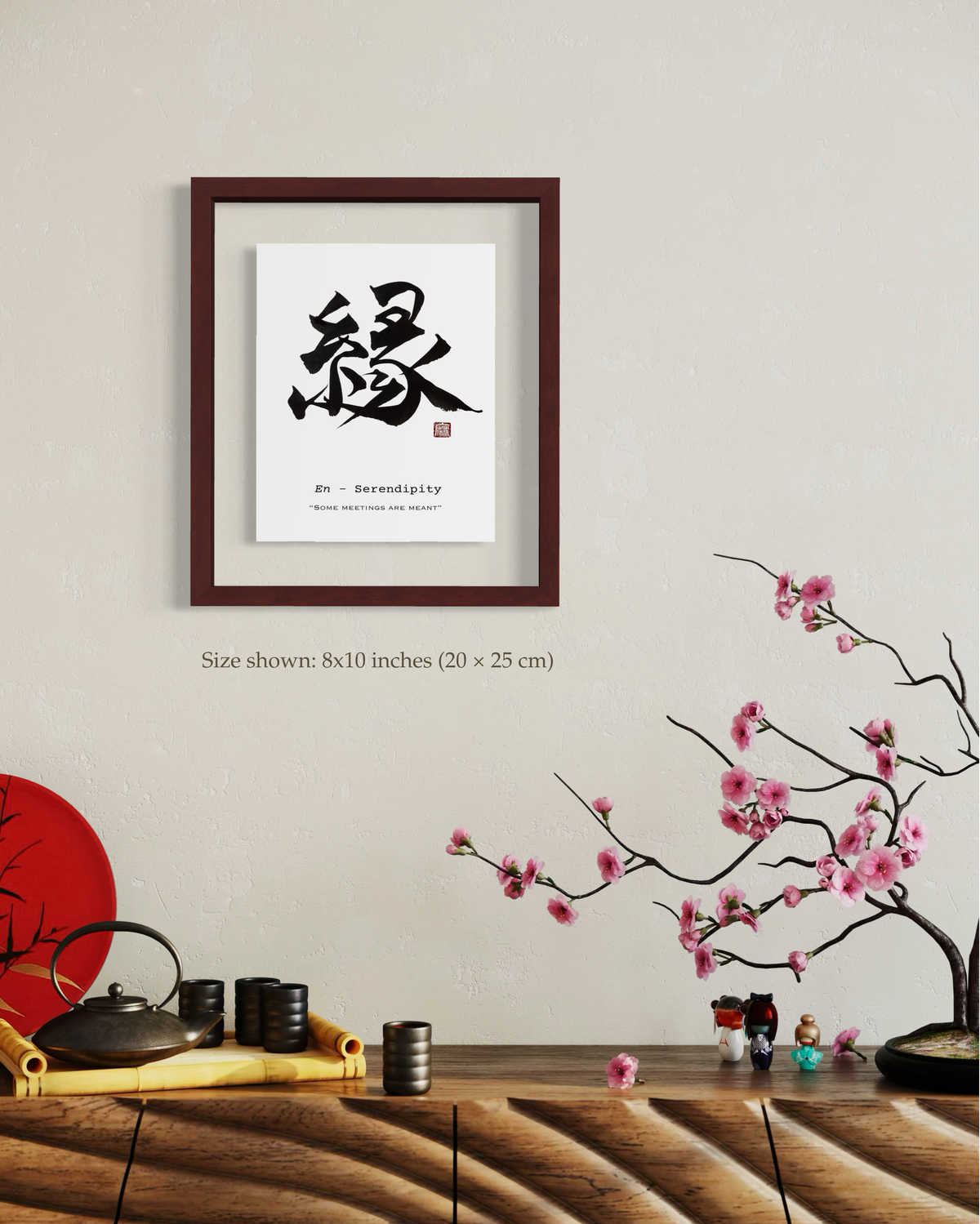
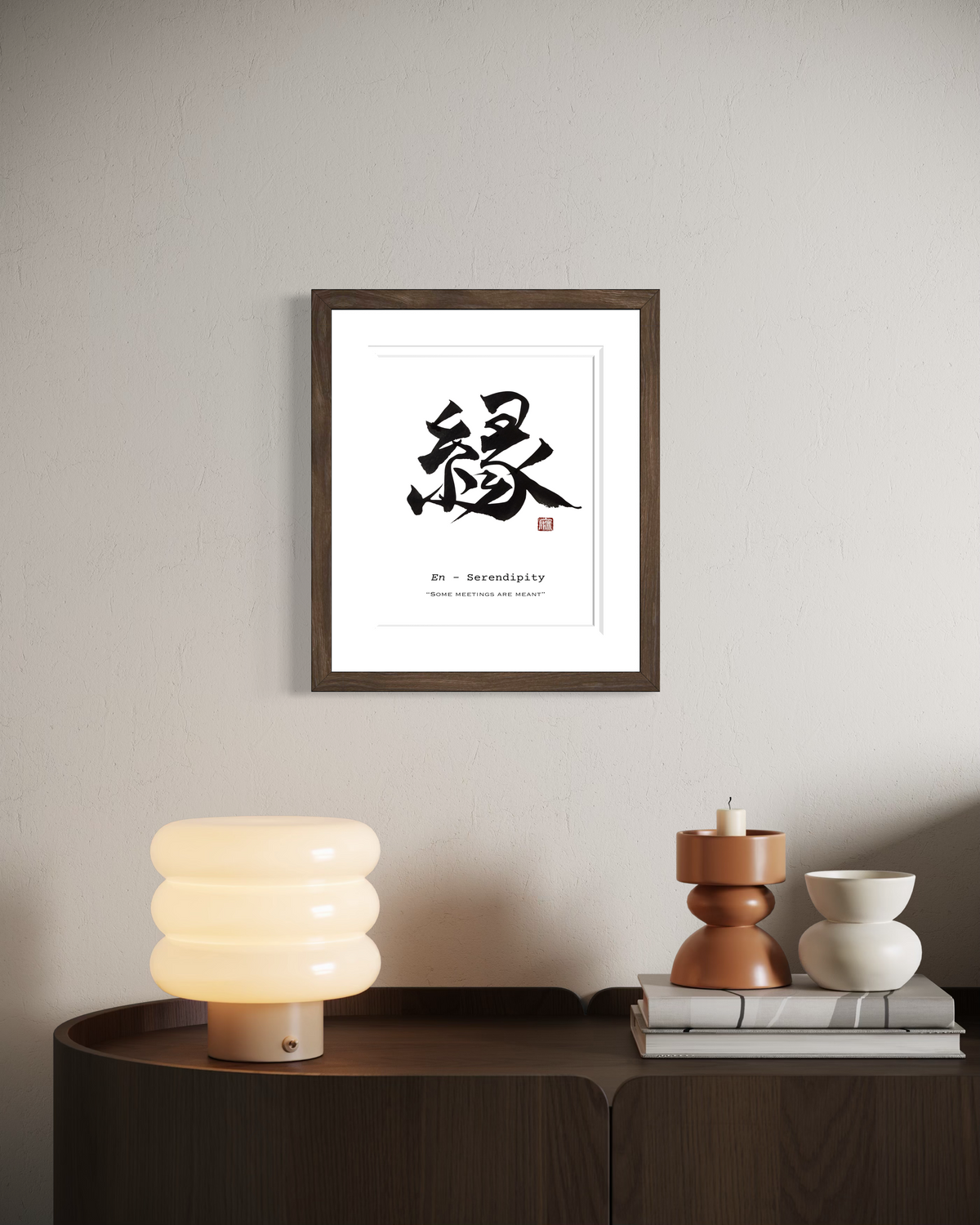
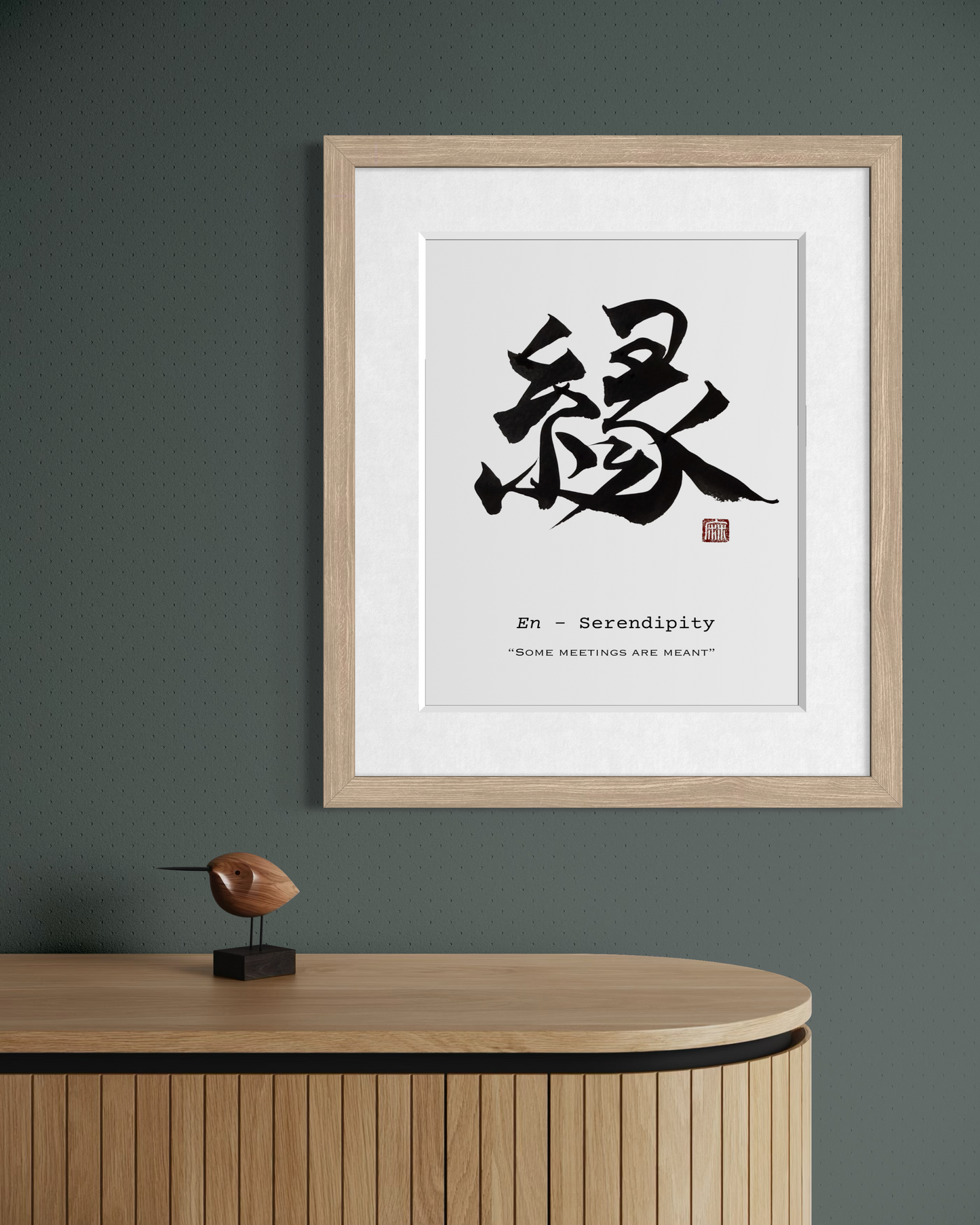
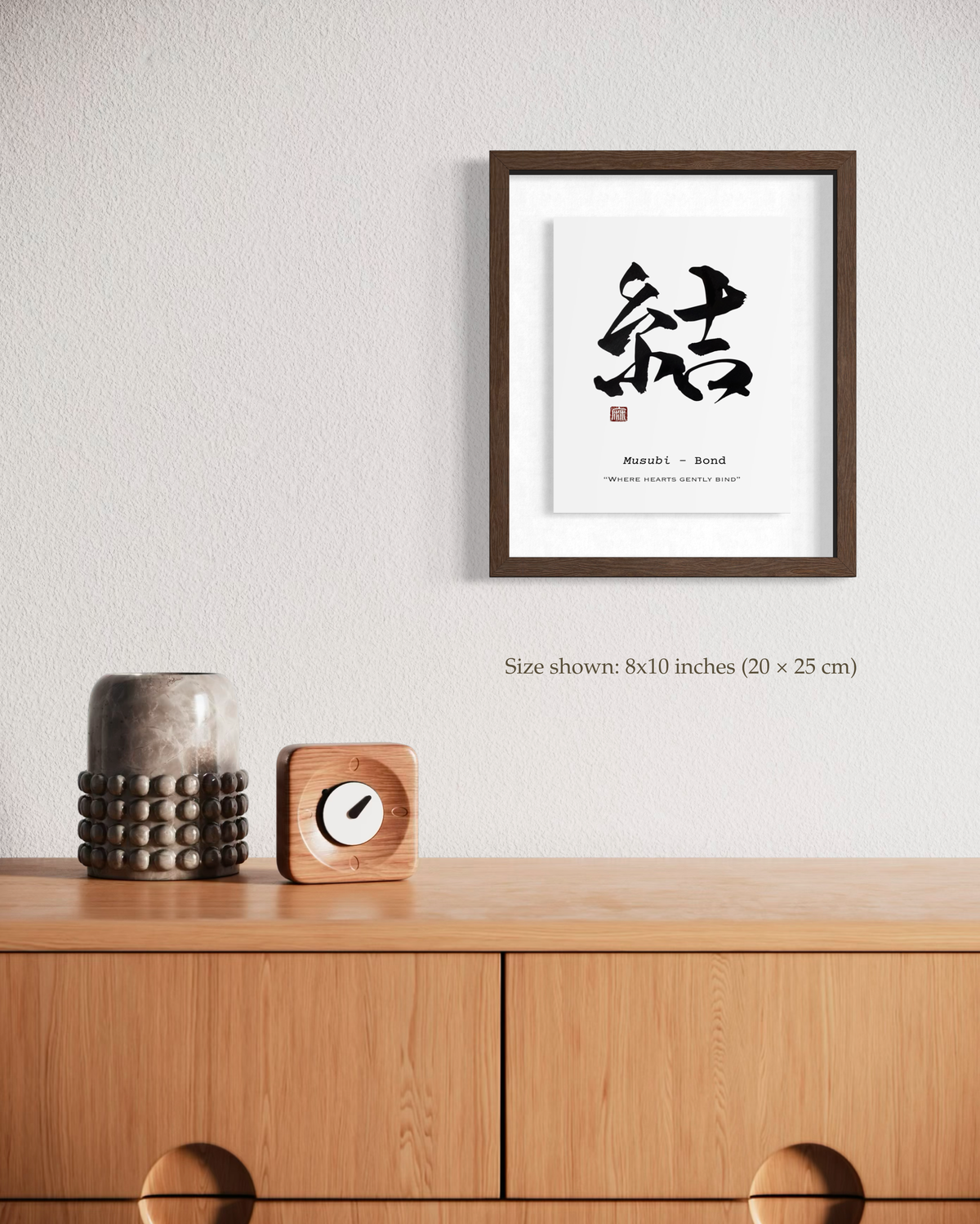
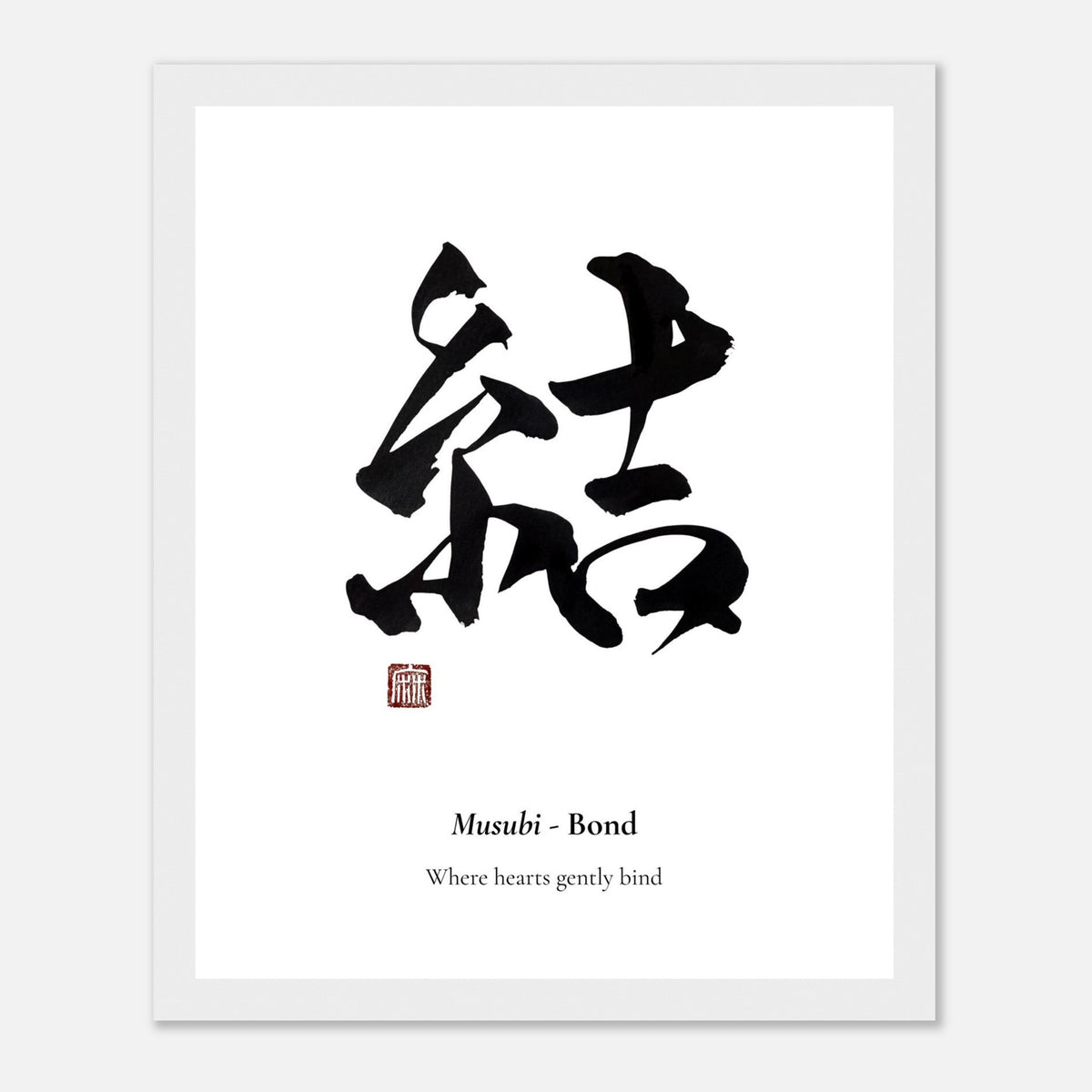
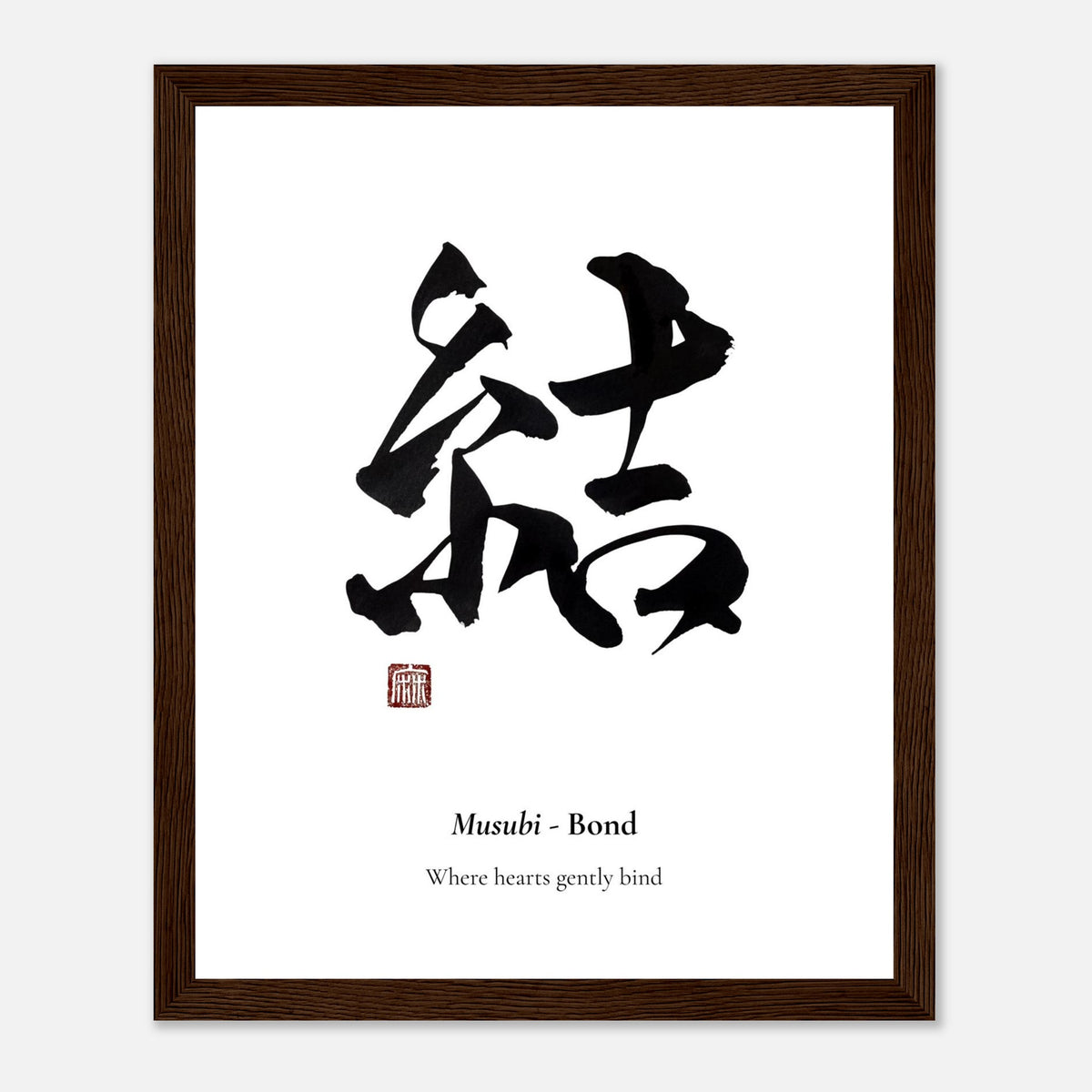
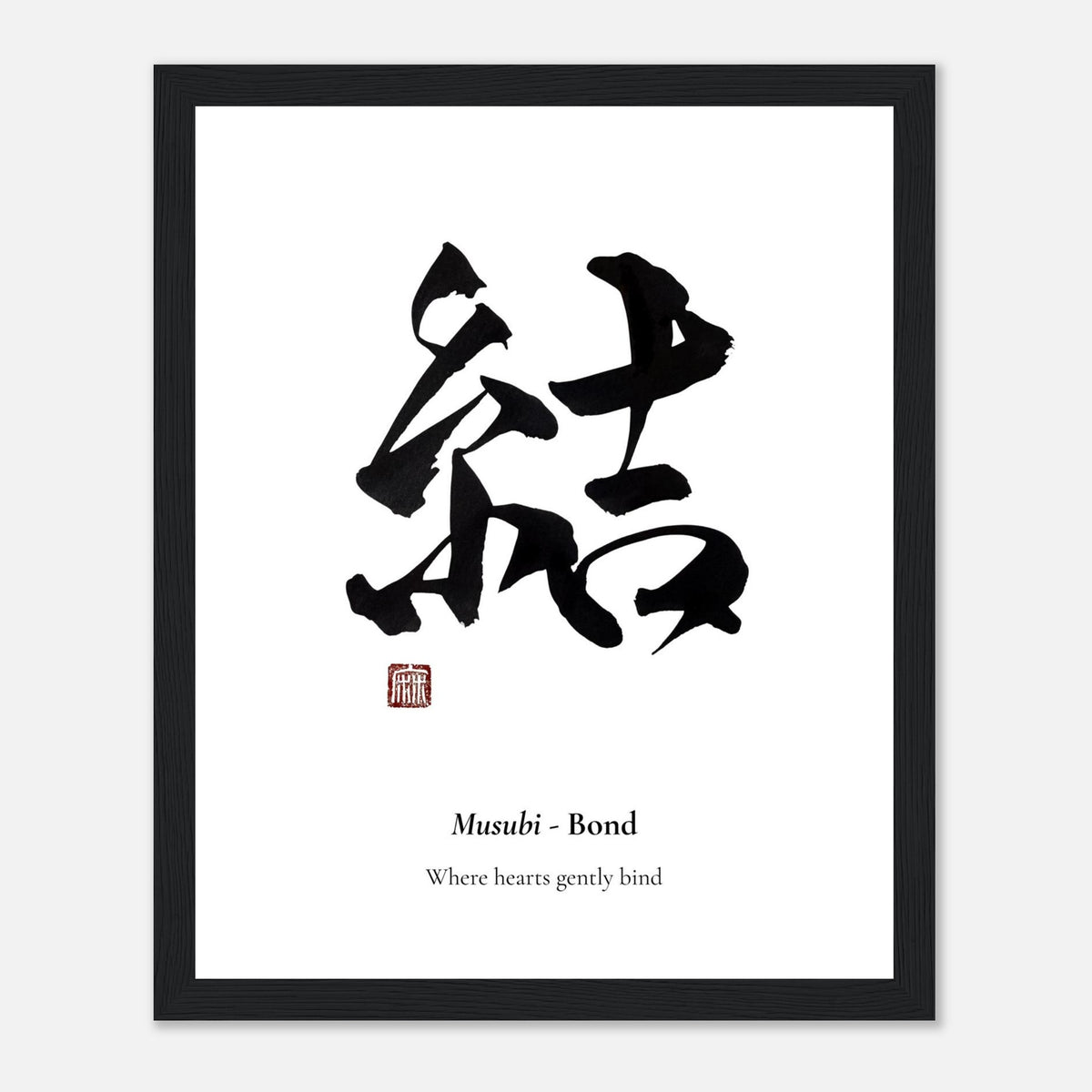
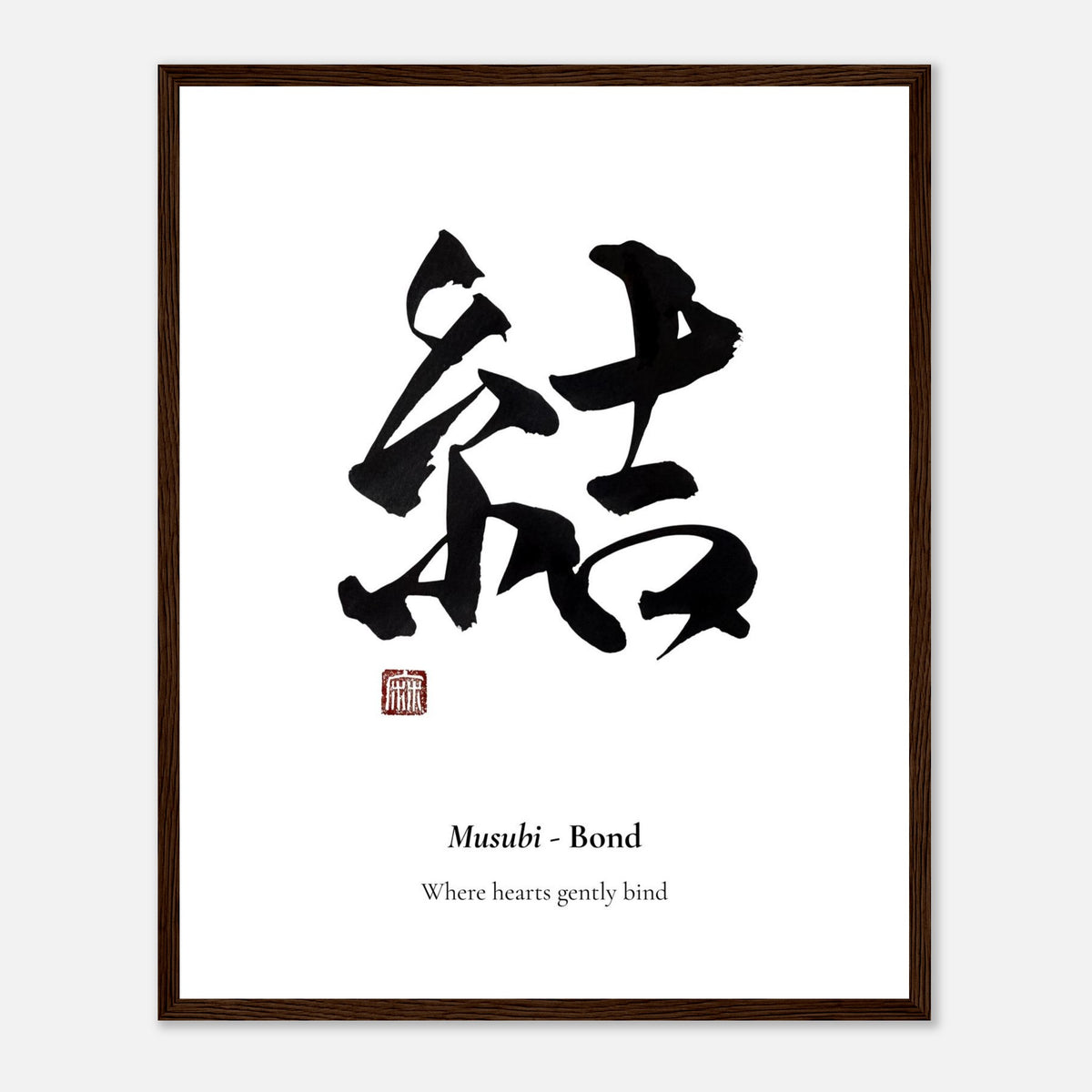
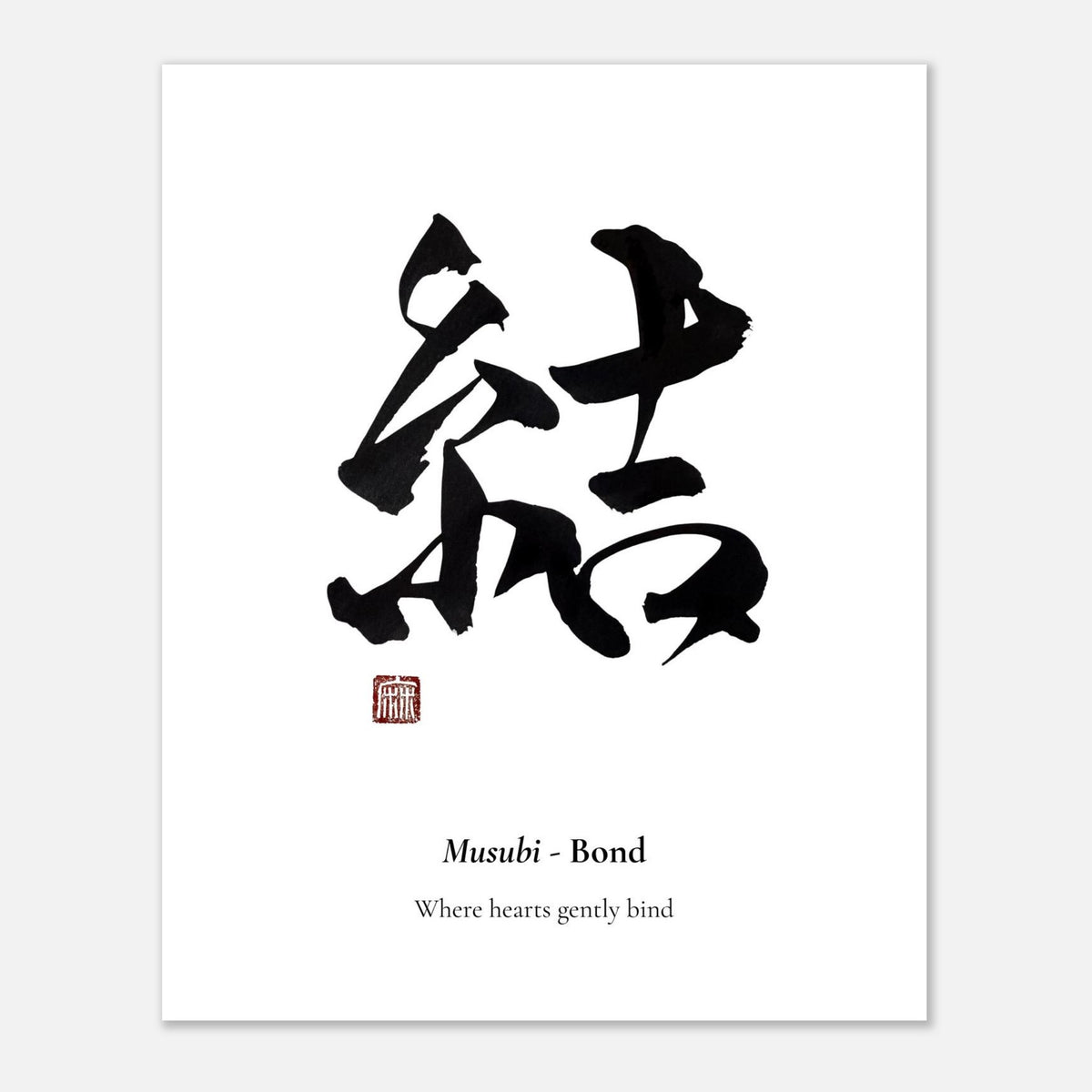
When you live with an original piece of Shodō calligraphy, you are living with a specific instant of human attention — one that existed once, was captured in ink, and will never come again. That is not sentimentality. That is the actual nature of the object.
Why This Changes How We Value Art
Most of us have been taught to value art by its appearance — by how well it matches a room, how recognisable the style is, how much it costs on a secondary market.
Ichigo ichie offers a different measure: was this made once, in full presence, and will it never exist again?
By this measure, a small original brushstroke on paper — made in a quiet studio on an ordinary morning — carries more weight than a large reproduction of a famous work. One is a document of a moment. The other is a copy of a copy of a copy.
This is not an argument against prints. It is an invitation to understand what you are choosing when you choose an original — and to feel the difference when it is on your wall.
Living With Ichigo Ichie
The philosophy does not ask you to be precious about things. It asks you to be present with them.
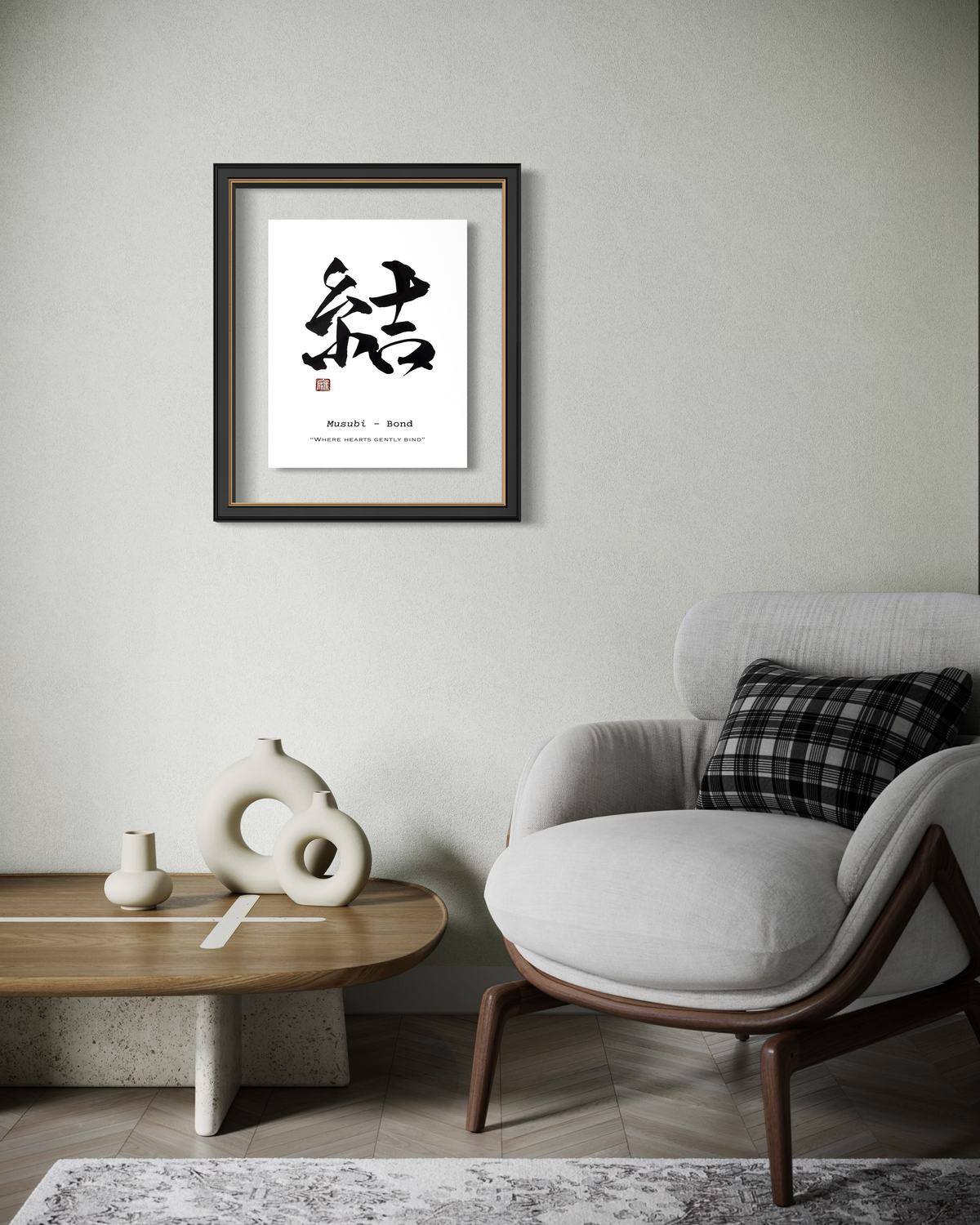
If you own an original work of art, look at it sometimes as if for the first time. Remember that the hand that made it was in a specific room, on a specific day, with a specific quality of light — and that all of that is gone except for what is in front of you now.
That is not a small thing. That is ichigo ichie. And it is why original art does something to a room that reproduction never quite can.
Every original brushstroke is a meeting that happened once. You are living with it now.
Explore the Hand-crafted collection