Wabi-Sabi Fireworks: What Japanese Summer Festivals Teach Us About Impermanence
There is a sound that belongs only to this season. Somewhere between the first roll of a taiko drum and the shuffle of wooden sandals on packed earth, summer in Japan announces itself through 夏祭り — the Japanese summer festival. And nowhere is the meaning behind these festivals clearer than in their most iconic image: fireworks.
If you have never stood inside a natsumatsuri, it's hard to explain how a festival can feel like both celebration and vigil at once. The lanterns strung above the street are paper, easily torn, and lit anyway. The dancing is old — some of it centuries old — passed from hands that were once children to hands that are children now. Nothing about it is permanent. As we'll see, that's rather the point — and it's also the clearest real-world example of wabi-sabi, the Japanese philosophy of finding beauty in imperfection and impermanence.
What Is a Japanese Summer Festival (夏祭り)?
Most 夏祭り trace back to something exact: a shrine's founding, a harvest, a spirit that needed placating, a debt to the dead that comes due once a year. Obon, held in mid-August across much of Japan, is perhaps the clearest example — a festival for welcoming ancestors home for a few days before sending them back. The Bon Odori dance that fills town squares during this time isn't really performance. It's a form of remembering, done with the whole body, in public, together.
This is worth sitting with for a moment. So much of what we call celebration is really a way of holding onto something we know we cannot keep. The summer heat will break. The lanterns will come down. The ancestors, however welcomed, will return to wherever they came from. And still, every year, the drums start again.
Fireworks (花火) as the Ultimate Symbol of Wabi-Sabi
No image belongs to the Japanese summer festival more than fireworks. Across Japan, summer nights are marked by 花火大会 — firework festivals — where entire towns gather along riverbanks to watch light bloom and vanish against the dark, over and over, for an hour or more.
It's worth asking why this, of all things, became the season's defining symbol. A firework is perhaps the most extreme expression of impermanence ever invented — more fleeting than a dance, more fleeting than a festival itself. It takes months to design a single burst, seconds to watch it, and less than that to lose it. There is no keeping a firework. There is only being present for the moment it existed.
This is wabi-sabi in its purest form. Not only the aged, weathered beauty we usually associate with the term — a cracked bowl, a moss-covered stone — but its more urgent cousin: beauty that is beautiful precisely because it is already leaving. Wabi-sabi doesn't only live in what has lasted a long time. It also lives in what was never going to last at all, and shines anyway.
Watching fireworks with this in mind changes the experience. Each burst stops being something to capture and becomes something to simply witness — fully, without reaching for a permanence it was never going to offer. Which is, perhaps, the most honest way to watch anything.
The Brush and the Drum: Shodō and Festival Impermanence
There's a reason this feels familiar to those of us who spend our days with ink and paper. Shodō — the practice of Japanese brush calligraphy — shares something essential with the summer festival: both are acts that cannot be undone, performed with full knowledge that they are temporary.
A brushstroke, once laid down, cannot be revised. There is no erasing, no second attempt on the same page. The ink simply is what it is, the moment it touches the paper. A festival dance is the same — no rehearsal replaces the version danced tonight, under this year's lanterns, by these particular hands. Both ask for total presence, precisely because neither offers the safety of a redo.
Perhaps this is why 夏祭り has always felt, to us, like it belongs beside the brush. Both are ways of making something real out of something fleeting. Both insist that impermanence is not a flaw to be solved, but the very condition that makes the gesture matter.
Bringing Wabi-Sabi Home
You don't need a shrine street or a firework festival to hold onto what 夏祭り teaches. The instinct behind it — to mark what's fleeting, to gather people around something that won't last, to let a single evening carry more weight than its few hours would suggest — travels well beyond Japan's summer streets.
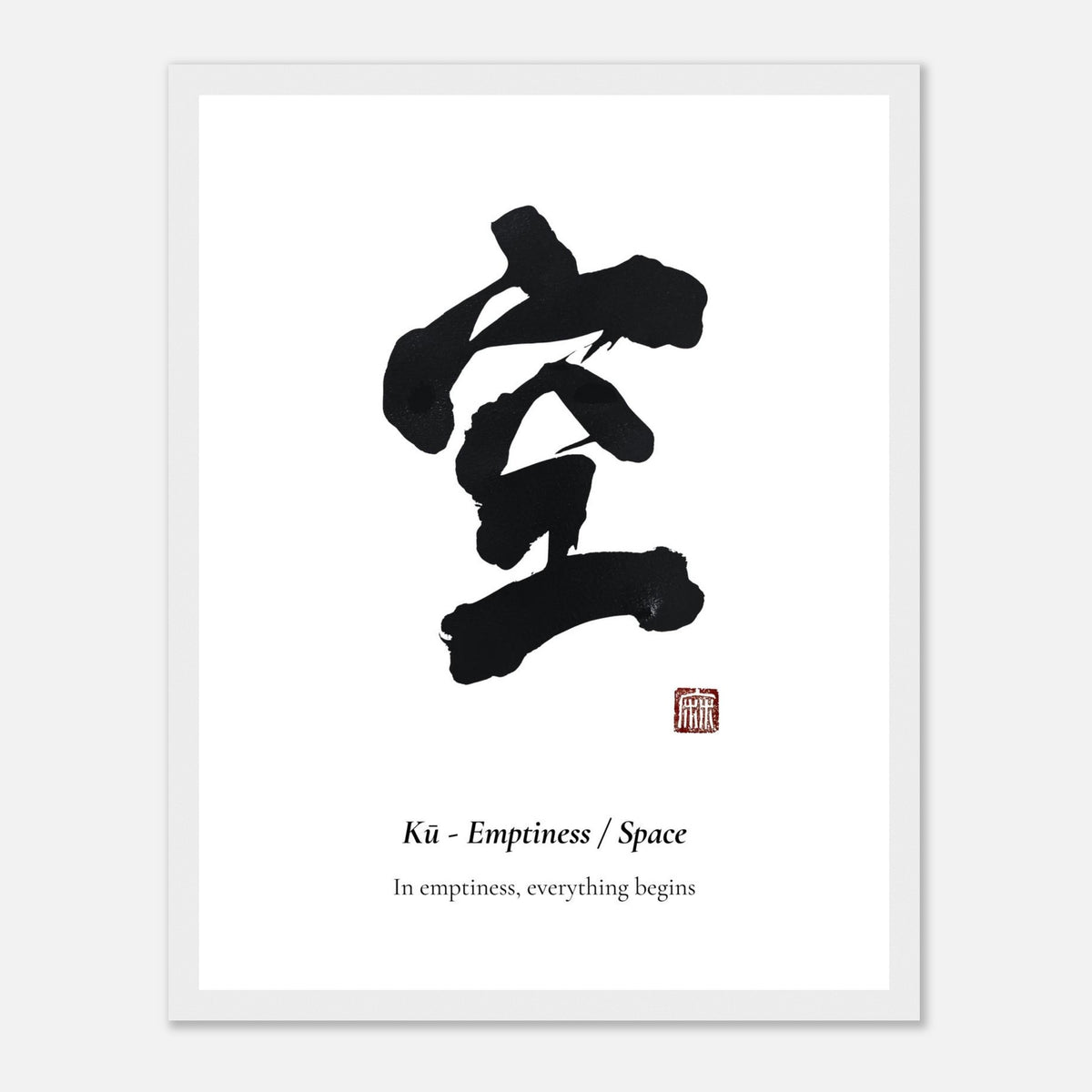
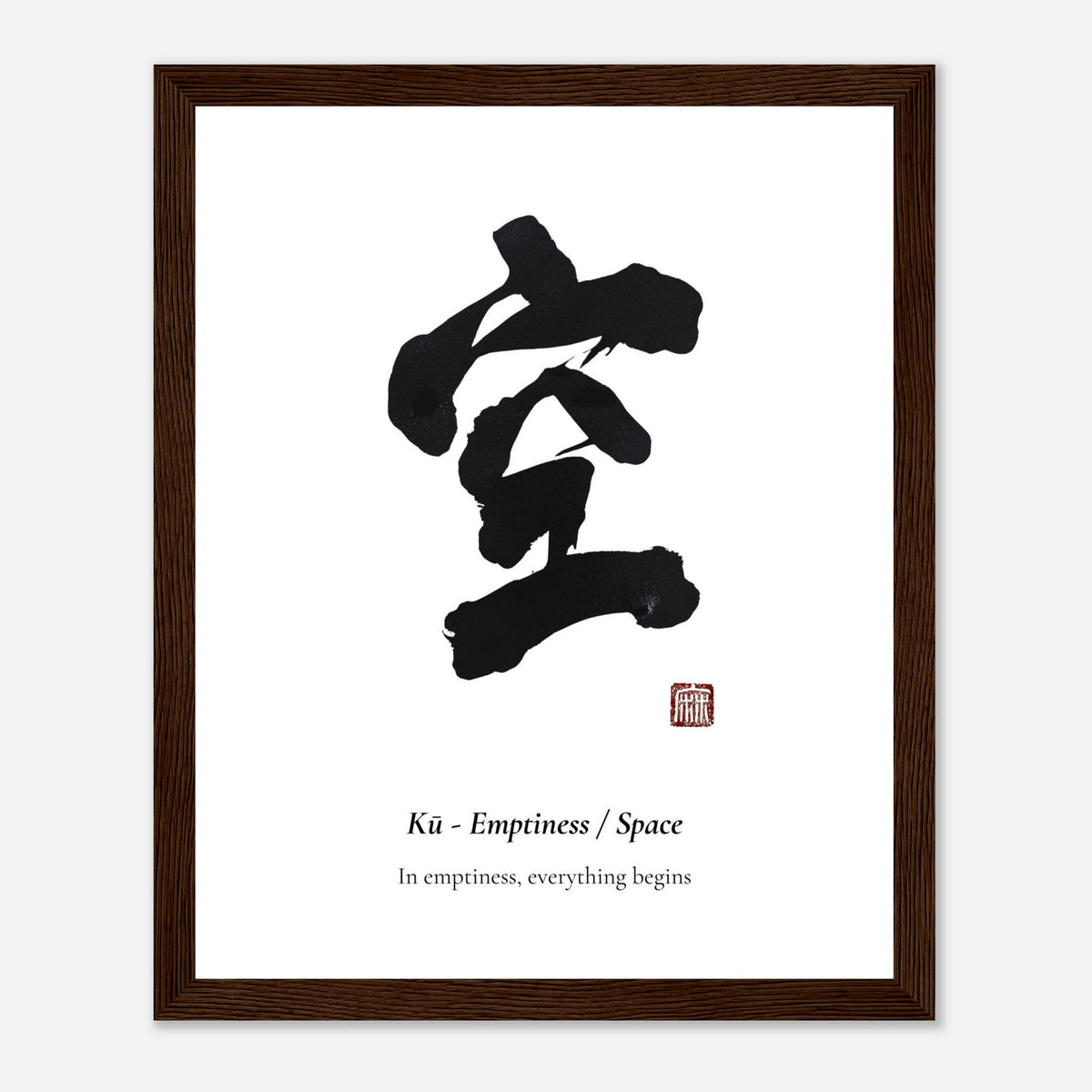
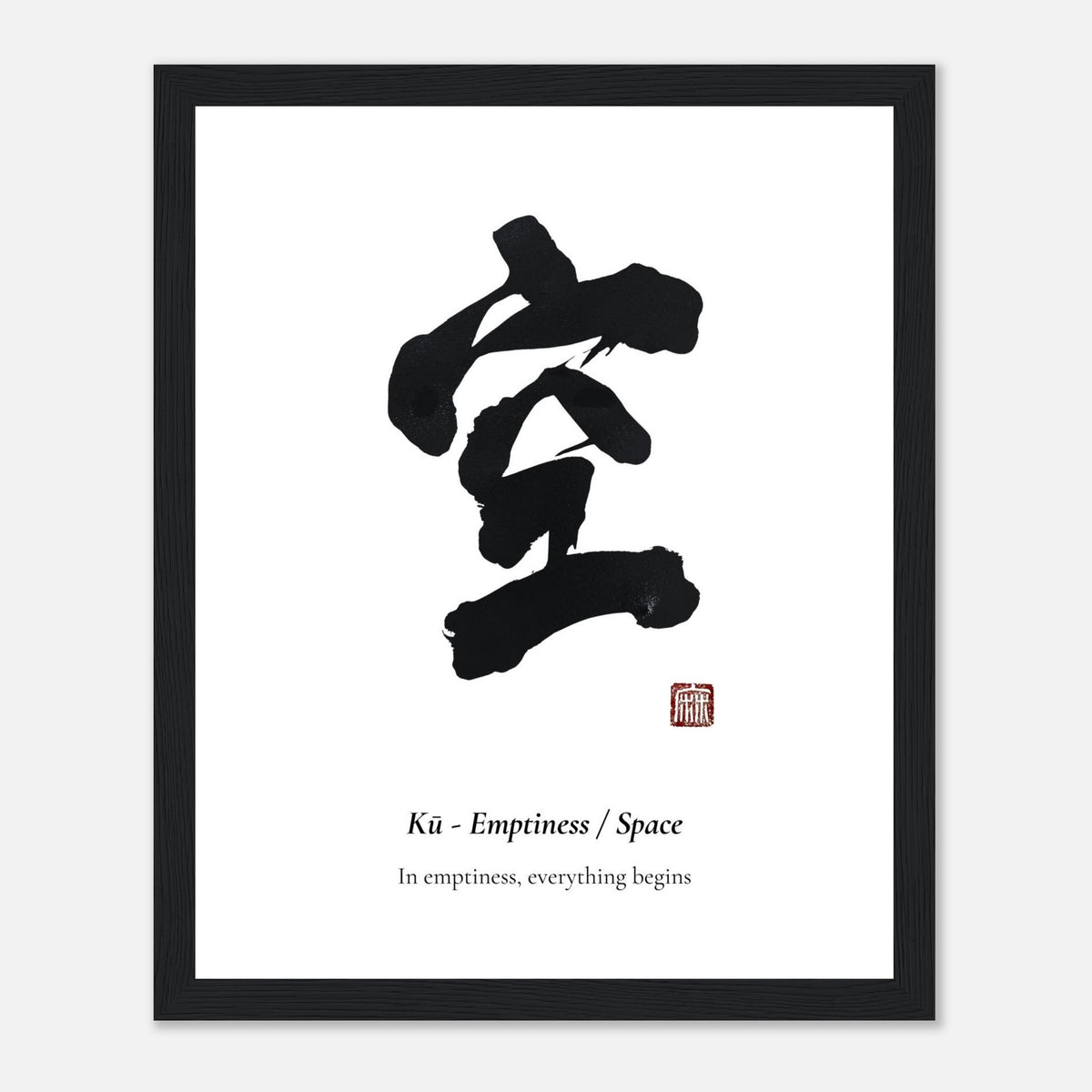
It might look like lighting a single lantern on a porch in August. It might look like teaching a child a dance you barely remember yourself. Or it might look like something quieter still: a piece of writing on a wall, a single character chosen not because it will last forever, but because, for now, it holds what needs holding.
FAQ: Wabi-Sabi and Japanese Summer Festivals
What does 夏祭り (natsumatsuri) mean? 夏祭り translates to "summer festival" — a category of traditional festivals held across Japan during the summer months, often tied to shrines, harvests, or honoring ancestors.
Why are fireworks connected to wabi-sabi? Fireworks are considered a symbol of wabi-sabi because they embody extreme impermanence — a beauty that exists for only a few seconds before disappearing entirely, mirroring the philosophy's core idea that transience itself can be beautiful.
Is wabi-sabi only about old or aged things? No. While wabi-sabi is often associated with aged, weathered objects, it equally applies to things that are fleeting by nature — like fireworks, cherry blossoms, or a single brushstroke — where the beauty comes from knowing it won't last.
explore 侘寂 and the beauty of what doesn't last Here