What Is Obon? Japan's Festival of Remembrance and Return
There is a particular quality to August evenings in Japan. The heat softens by dusk. Paper lanterns begin to glow along narrow streets, strung from eaves and gateposts like small, deliberate stars. Families gather at train stations, arms full of fruit and sweets for the ones waiting at home. Something, or someone, is being welcomed back.
This is Obon — a few days each August when the spirits of ancestors are believed to return to the households that remember them. It is one of Japan's oldest traditions, and one of its gentlest.
Where the Tradition Comes From
Obon traces back over a thousand years, to a Buddhist story about a monk named Mokuren, who used his powers to see his deceased mother suffering in the afterlife. Guided by the Buddha, he performed offerings to ease her passage — and danced with joy when he succeeded. That dance is said to be the origin of Bon Odori, the community dancing still practiced across Japan every August.
Over centuries, the practice folded into existing ancestor-veneration customs, becoming less a solemn rite and more a homecoming. Most of the country observes Obon in mid-August, though Tokyo and a few regions keep an older July calendar — a small reminder that even a shared tradition holds room for local variation.
The Customs of Obon
The days unfold in a quiet sequence:
Mukae-bi — small welcoming fires, lit at the entrance to a home on the first evening, to help ancestors find their way back.
The family altar — cleaned, decorated, and set with the foods a grandmother or great-uncle once loved. Not as ritual obligation, but as a kind of ongoing conversation.
Ohakamairi — visits to family graves, where headstones are washed and fresh flowers are set, hands pressed together in a moment of quiet address.
Bon Odori — community dancing in circles around a raised platform, drums keeping time long into the night. Anyone can join, regardless of skill. It is not mournful. It is closer to celebration — the living, dancing for the dead.
Okuri-bi and toro nagashi — as Obon closes, sending-off fires are lit, and in many towns, lanterns are floated down rivers, carrying the ancestors gently back to wherever they came from. Kyoto's mountainside bonfires, visible across the whole city, are perhaps the most famous version of this farewell.
A Season of Continuance, Not Just Memory
What strikes many outsiders about Obon is what it is not. It is not a solemn day of mourning, set apart from ordinary life. It is not a single date to observe and then put away. It is closer to a belief that nothing we love is ever fully gone — only distant, and periodically, welcome to return.
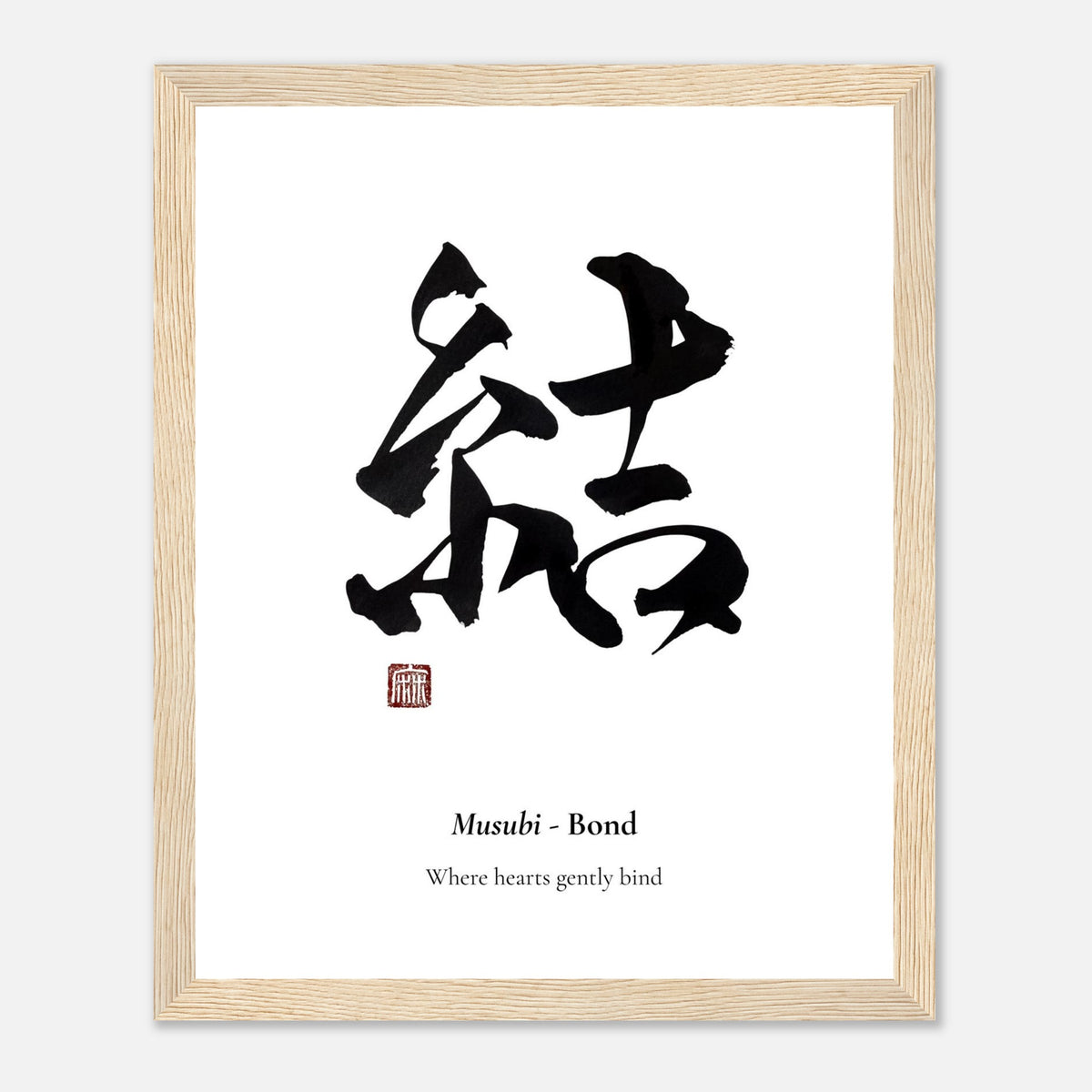
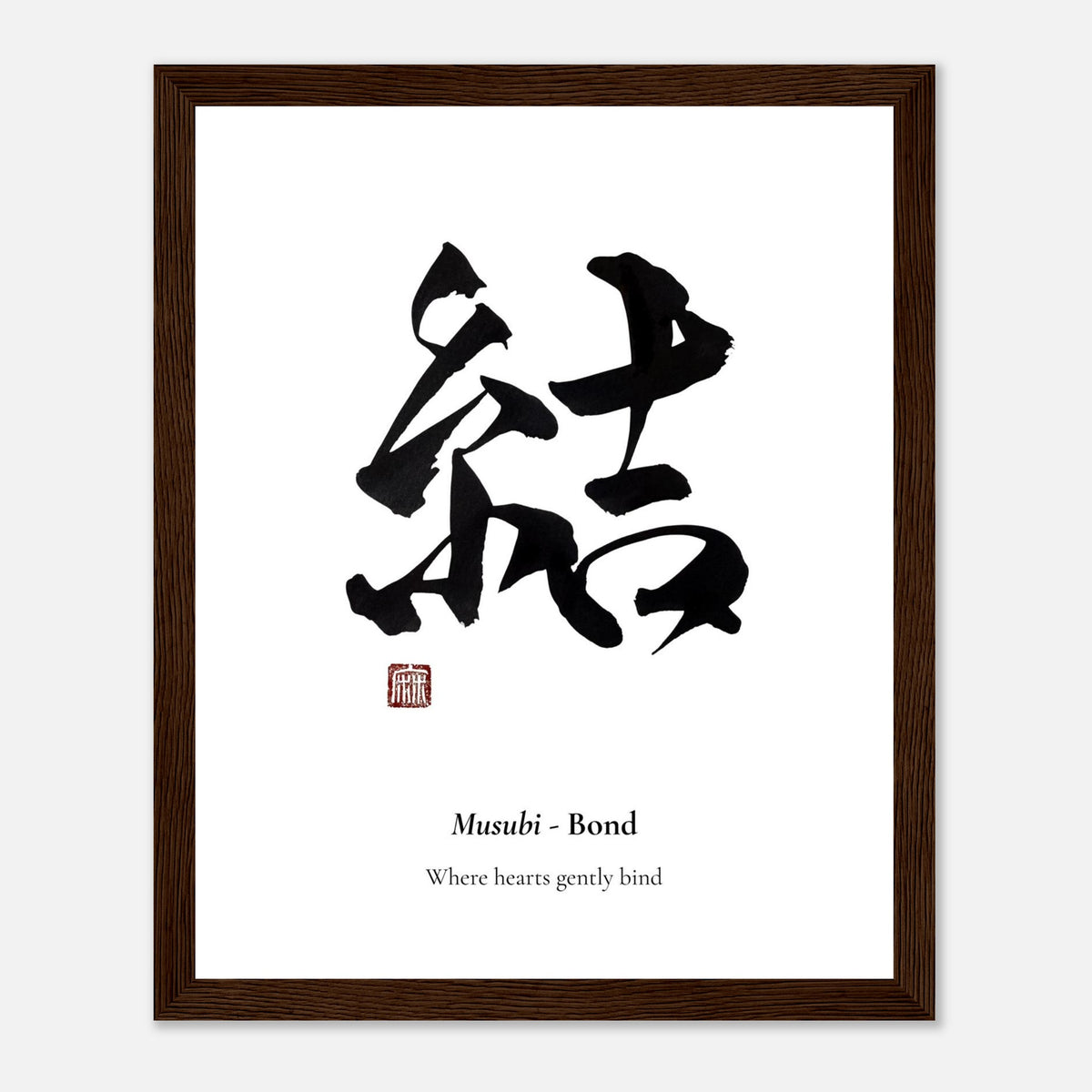
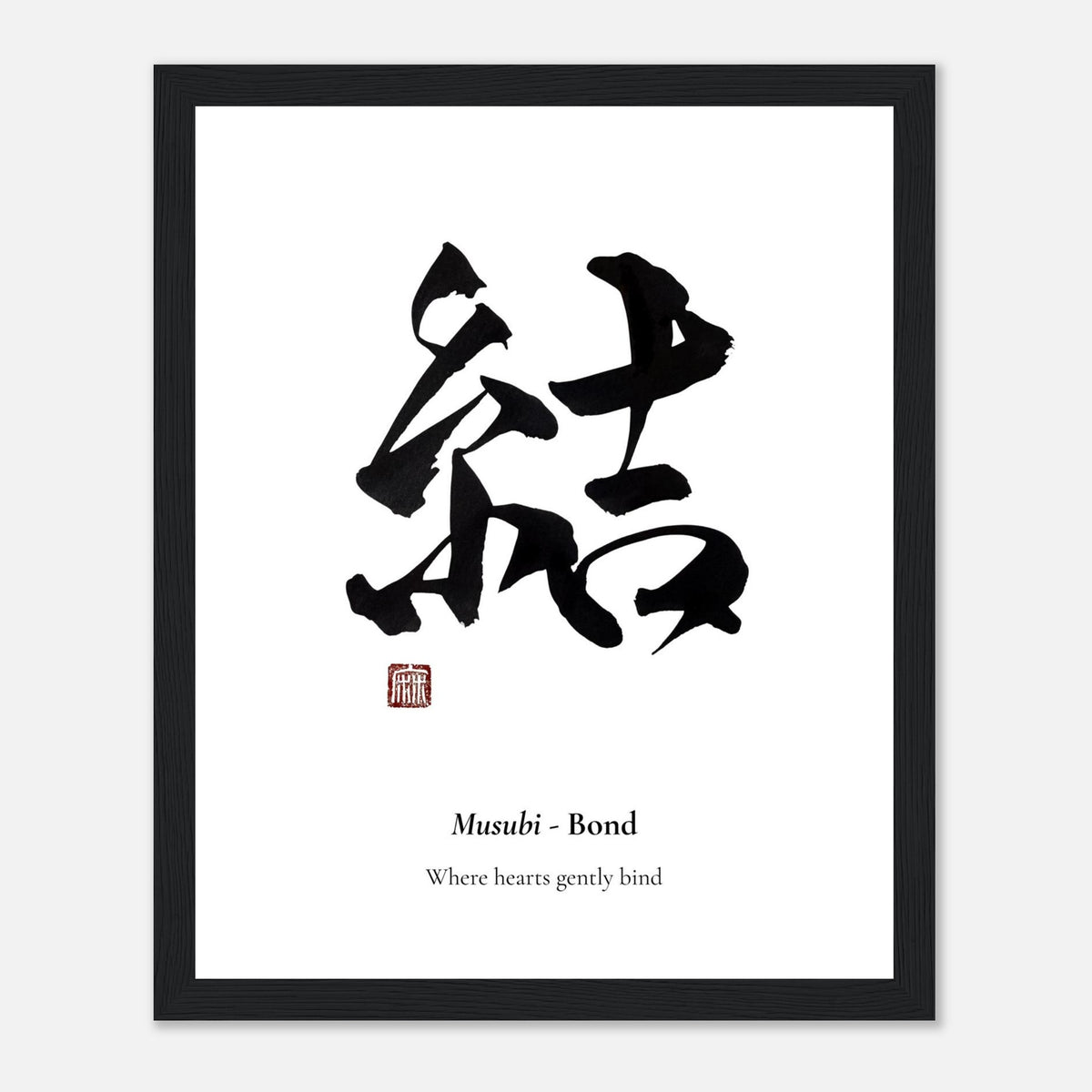
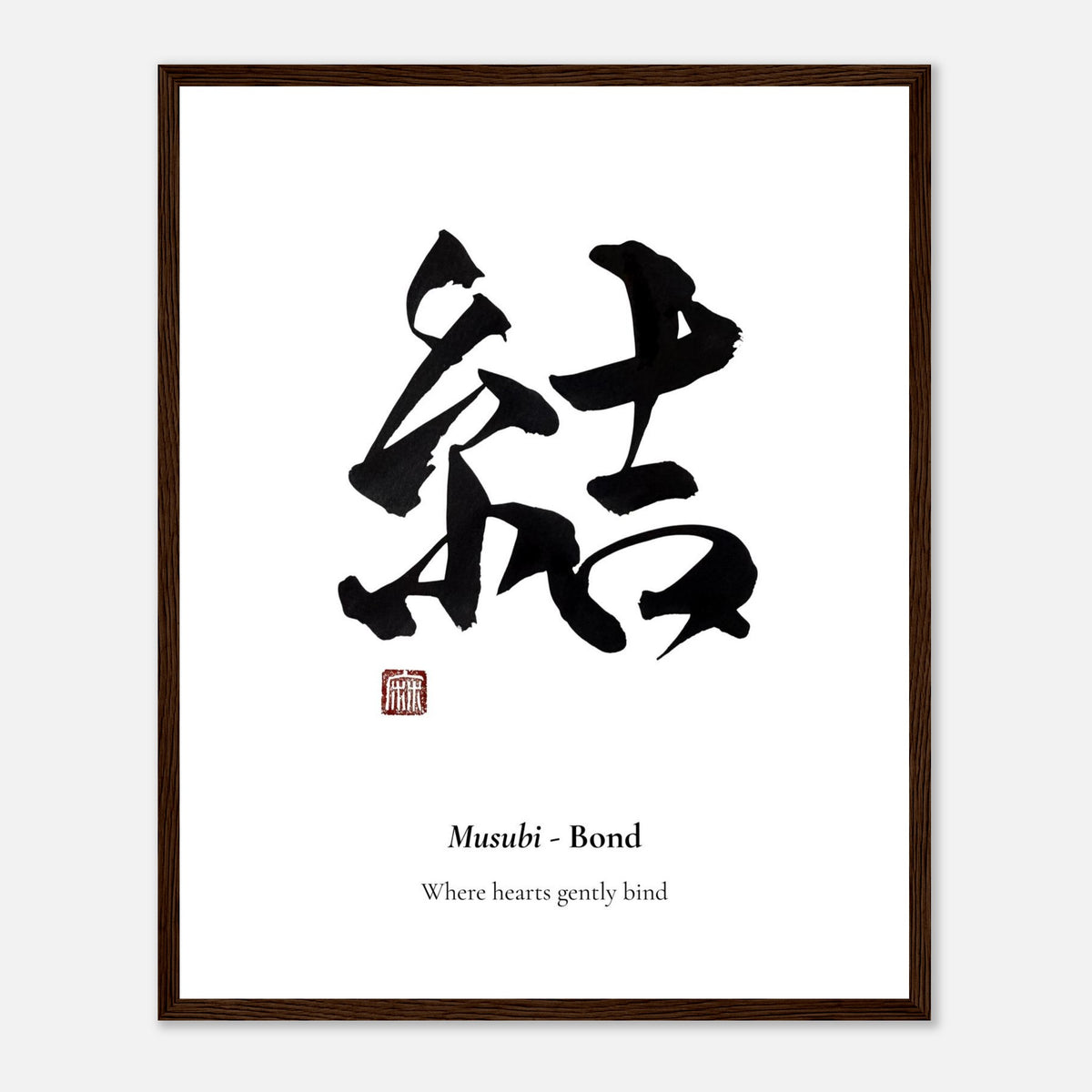
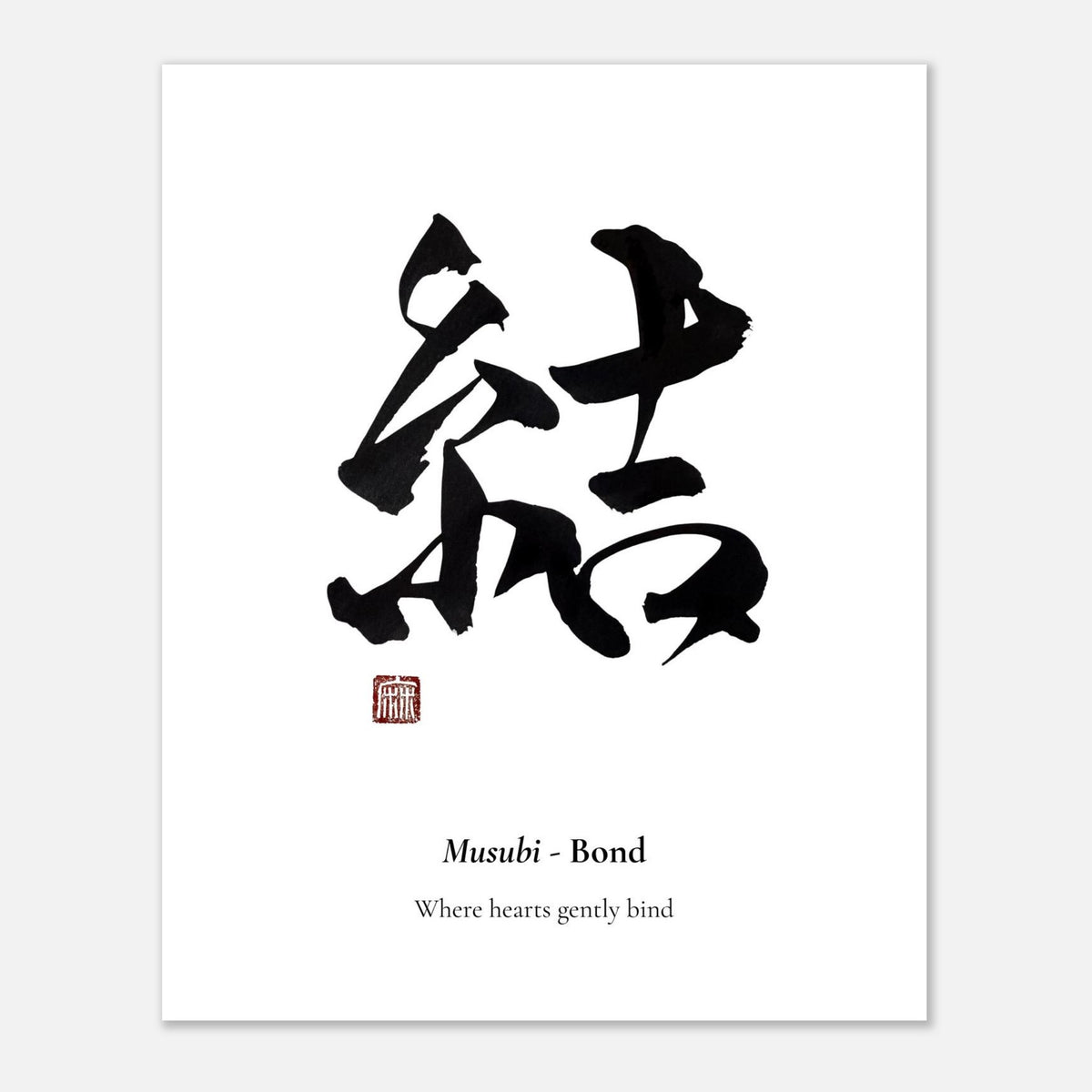
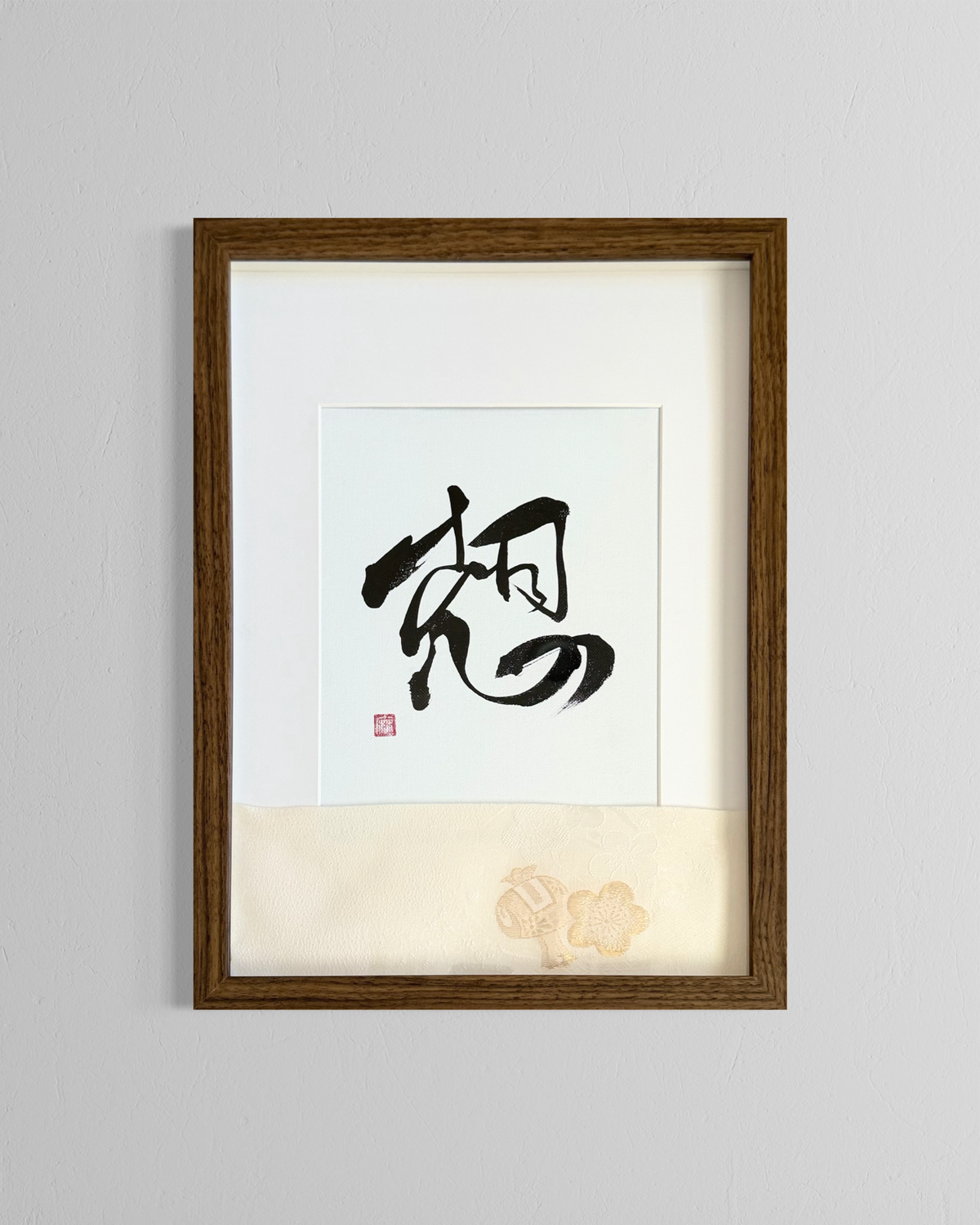
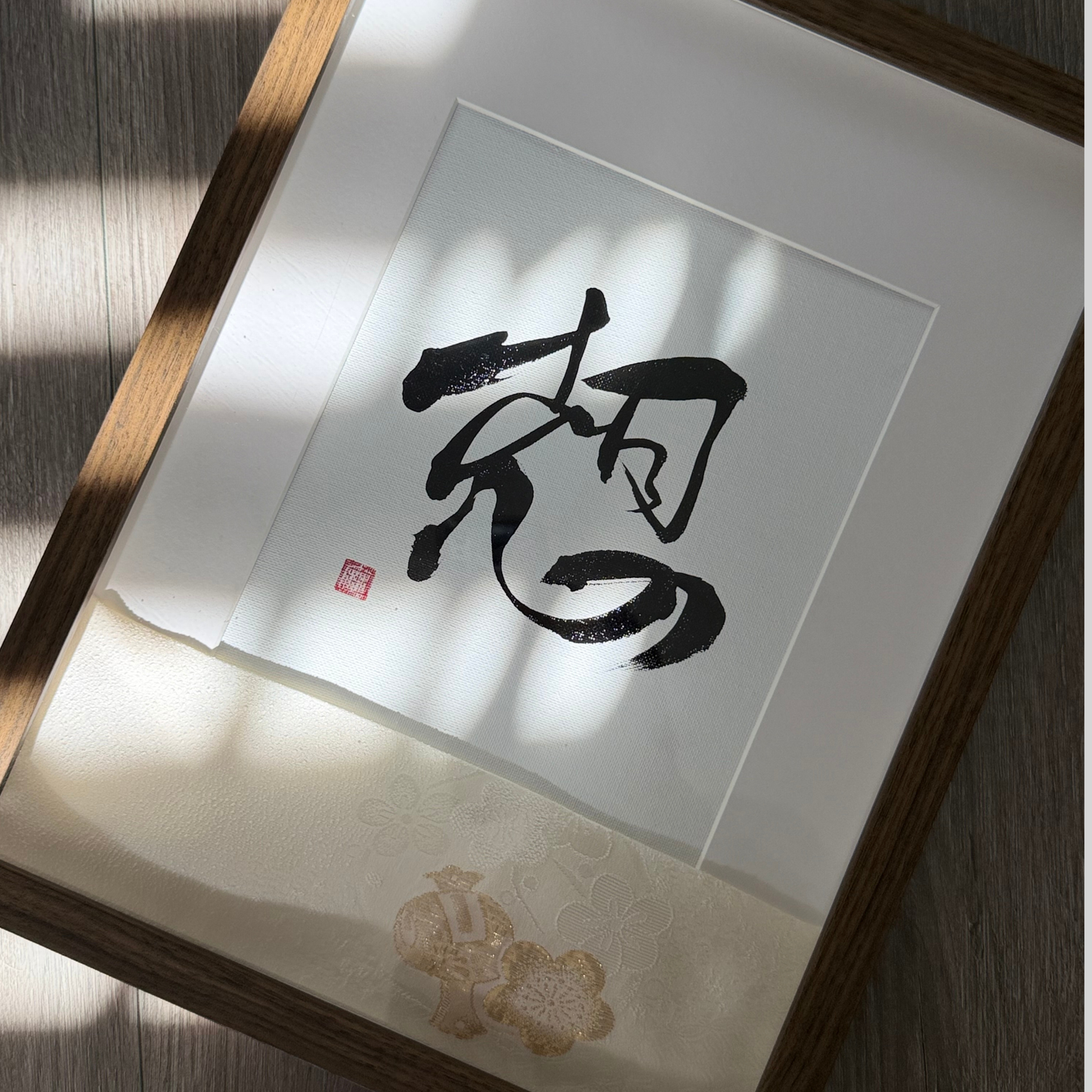
There is something in this that feels close to the practice of Shodō. When ink meets paper, the stroke carries more than the character itself — it carries the weight of the arm that made it, the breath held before the brush touched down, the hundreds of strokes practiced before this one. A single line holds a kind of lineage. Obon asks something similar of memory: that it isn't stored away and revisited on occasion, but carried forward, folded into the present, present in the room even when unspoken.
A Reflection for Any Home
Few homes outside Japan keep a butsudan or light a welcoming fire in August. But the instinct underneath Obon — to make space, once a year, for the people who shaped us — travels well beyond its origin. A photograph kept where it catches morning light. A recipe made the way someone else always made it. A piece of art that holds, in its lines, something quieter than words.
Perhaps that is the quiet gift of Obon: not just to remember, but to notice how memory returns to us, gently, if we leave a light for it.