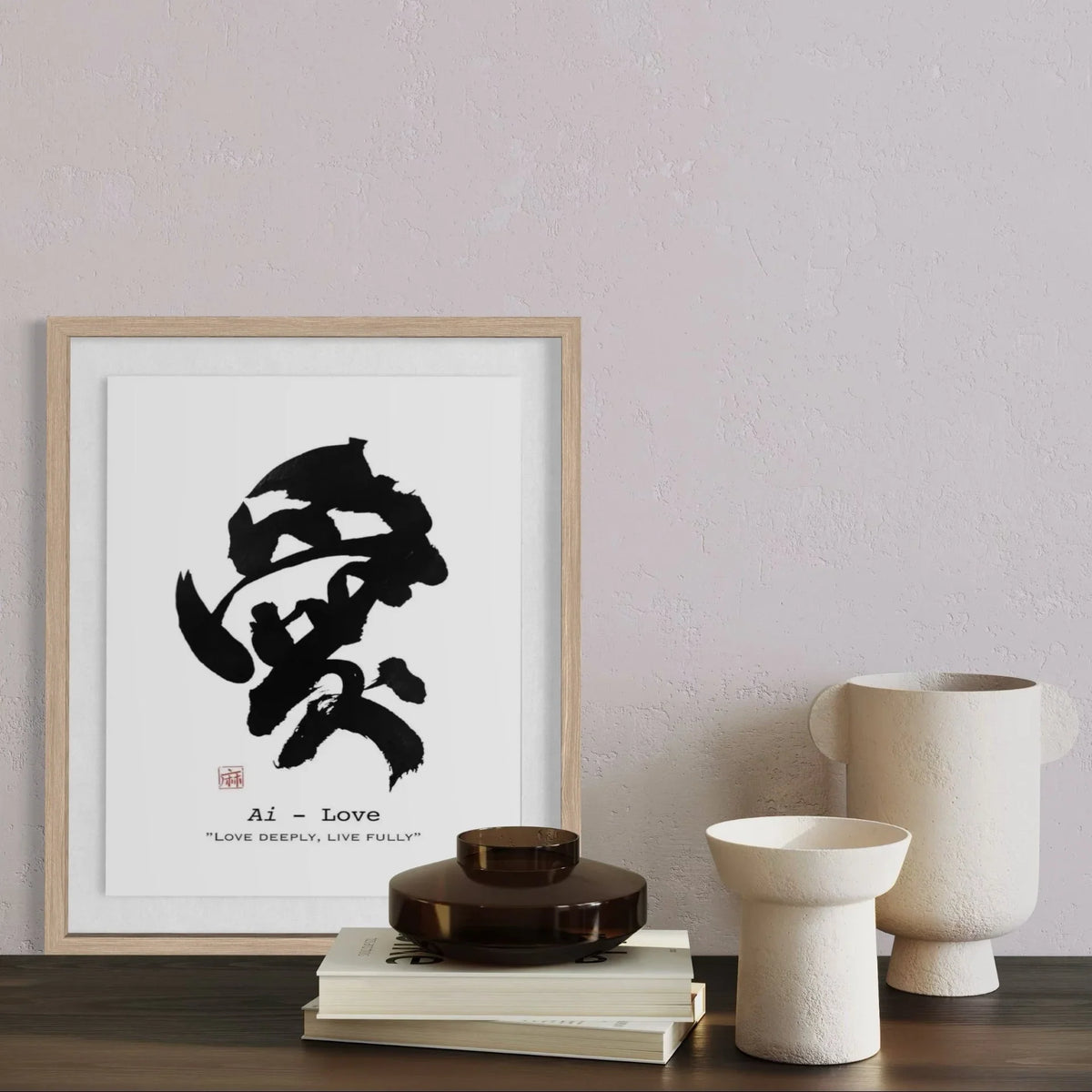
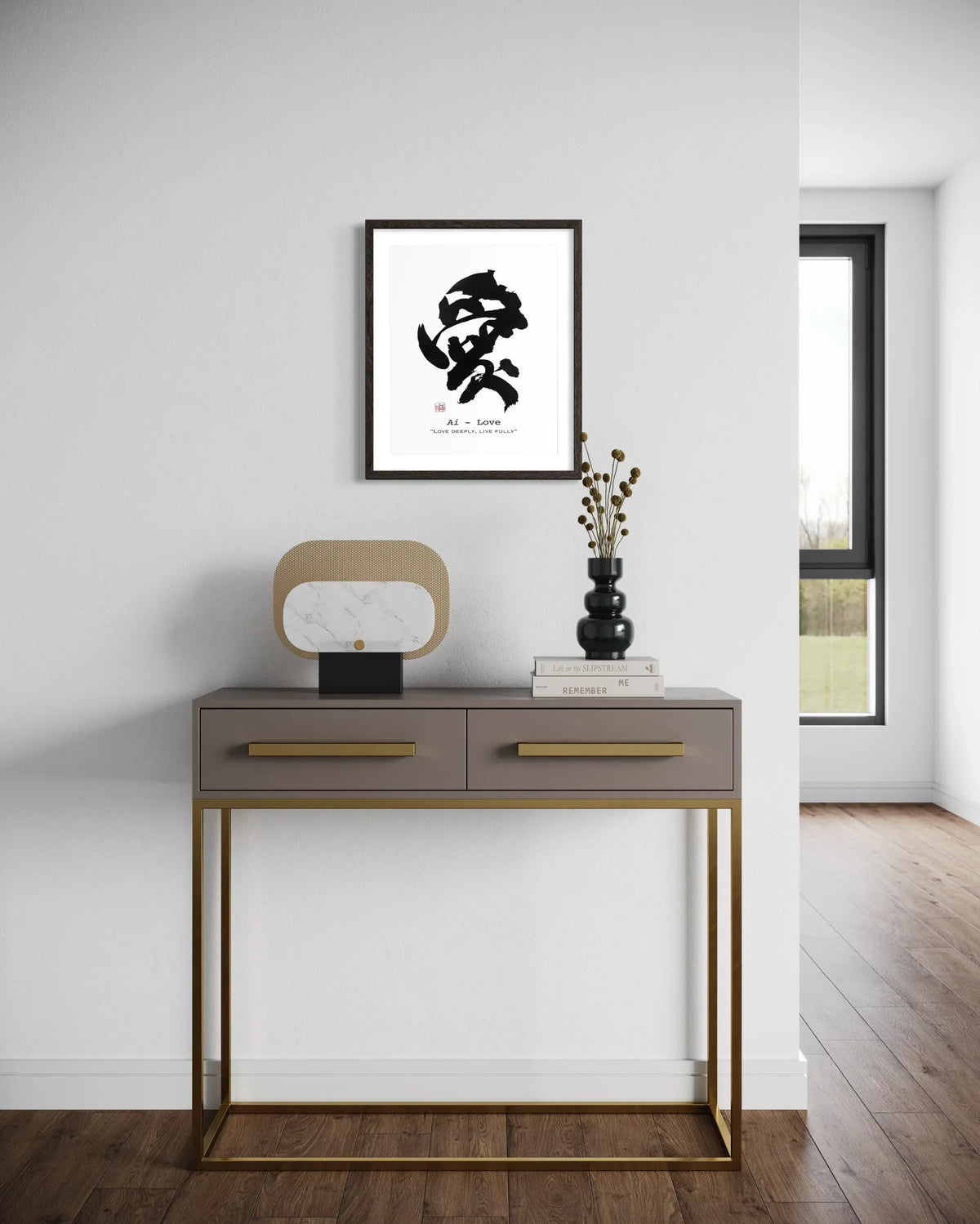
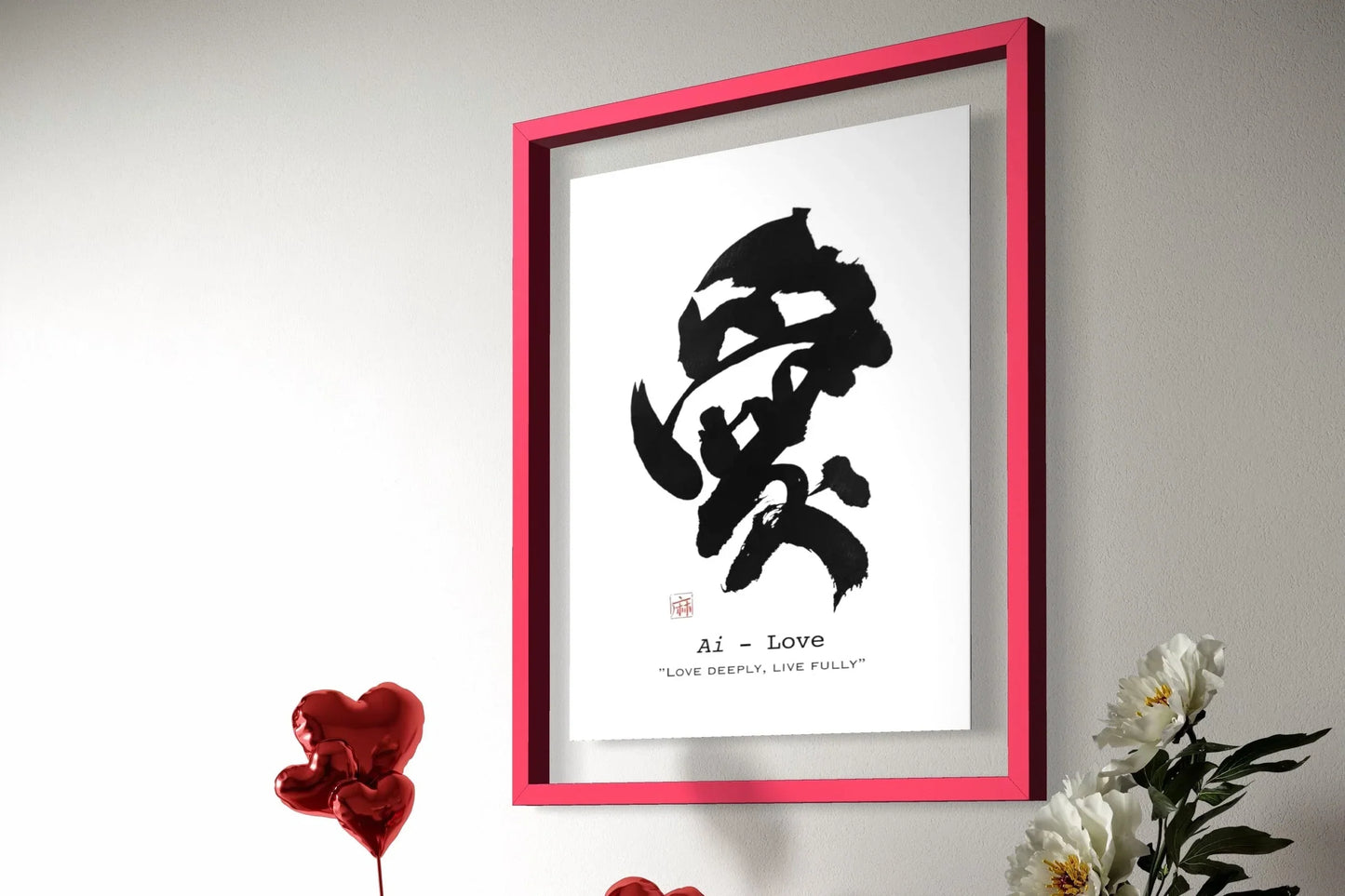
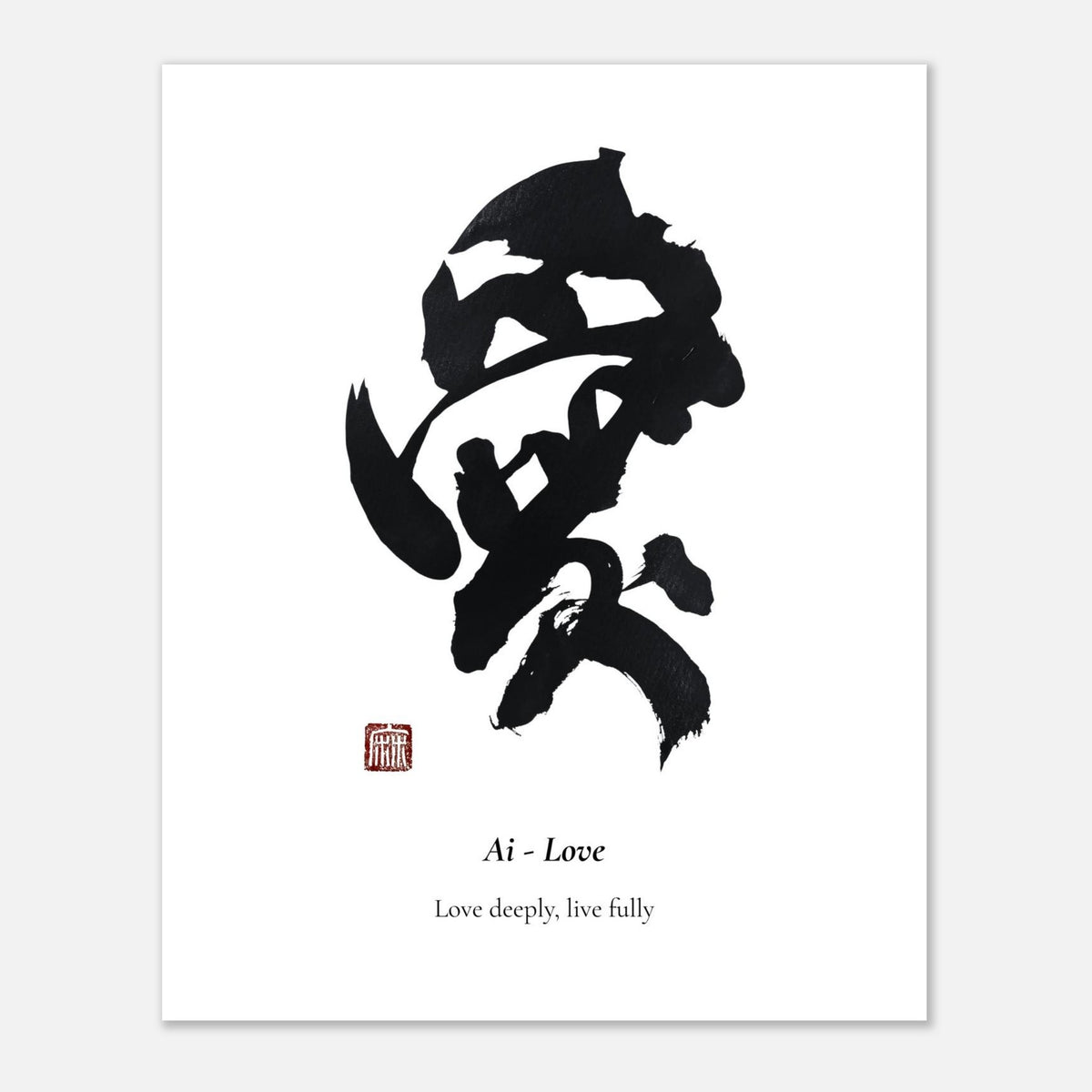
How Japanese Calligraphy Is Made
From Ink to Paper, and Why the Process Matters
Japanese calligraphy is not created quickly.
It is not designed, edited, or corrected.
It is made - through preparation, presence, and acceptance.
Behind every finished piece of calligraphy is a quiet process that values intention over perfection. Understanding this process reveals why Japanese calligraphy feels different from decorative typography or digital art, and why it carries such emotional weight.
Step 1: Preparing the Ink — Beginning with Stillness
The process begins before any brush touches paper.
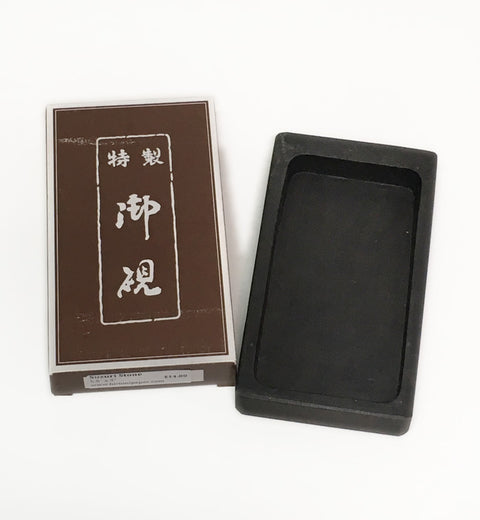
Traditional Japanese calligraphy uses solid ink sticks (墨 / sumi) made from soot and natural binders. The artist grinds the ink slowly against an ink stone (硯 / suzuri) with water. This can take several minutes.
This step is not about efficiency.
It is about slowing the body and quieting the mind.
The sound of ink grinding, the resistance of stone, and the gradual darkening of the liquid all signal a transition—from daily life into focused presence.
Step 2: Choosing the Paper — Embracing Imperfection
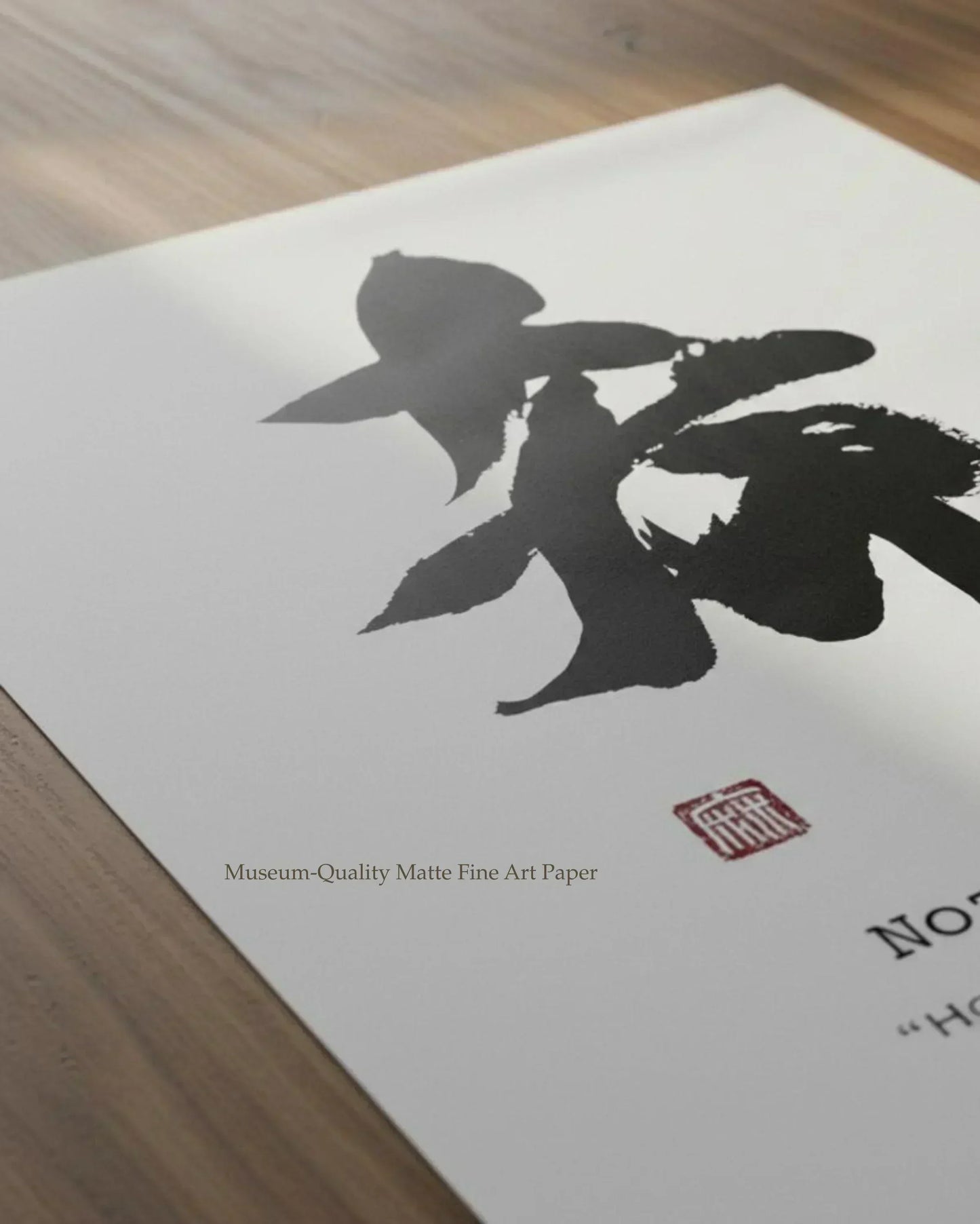
Japanese calligraphy is typically written on washi, a traditional handmade paper.
Unlike smooth, uniform paper, washi absorbs ink unevenly. The fibers interact with the brush in unpredictable ways—allowing ink to spread, soften, or feather naturally.
This means the artist must respond in real time.
There is no full control.
Each sheet becomes a collaboration between ink, brush, paper, and moment.
Step 3: The Brush — Where Movement Becomes Expression
The calligraphy brush (筆 / fude) is made from natural animal hair and bamboo. It is flexible, sensitive, and responsive.
A single brush can create:
- Bold, powerful strokes
- Thin, delicate lines
- Sudden changes in direction and texture
Pressure, speed, angle, and breath all affect the result. Even the smallest hesitation is visible.
In Japanese calligraphy, the brush does not hide the artist—it reveals them.
Step 4: Writing — One Breath, One Moment
Once the brush touches the paper, there is no undo.
Each character is written in a continuous flow. The artist must commit fully to the movement, accepting whatever emerges. This is why calligraphy is often described as a moving meditation.
Mistakes are not erased.
They are understood.
Sometimes the most powerful works are those that feel slightly uneven—because they carry honesty and life.
Step 5: Space Matters as Much as Ink
In Japanese calligraphy, empty space is intentional.
The white areas around and within characters—known as ma—create balance and rhythm. This space allows the work to breathe and gives meaning to what is written.
What is left unwritten is just as important as the ink itself.
This philosophy is what makes calligraphy feel calm rather than crowded, even when the strokes are bold.
Why the Process Matters
In a digital world, it is easy to copy, refine, and perfect endlessly.
Japanese calligraphy resists that impulse.
Its value lies in:
- Presence over precision
- Process over outcome
- Authenticity over replication
Every finished piece reflects a specific moment in time that cannot be recreated.
This is why calligraphy feels alive.
From Traditional Practice to Modern Wall Art
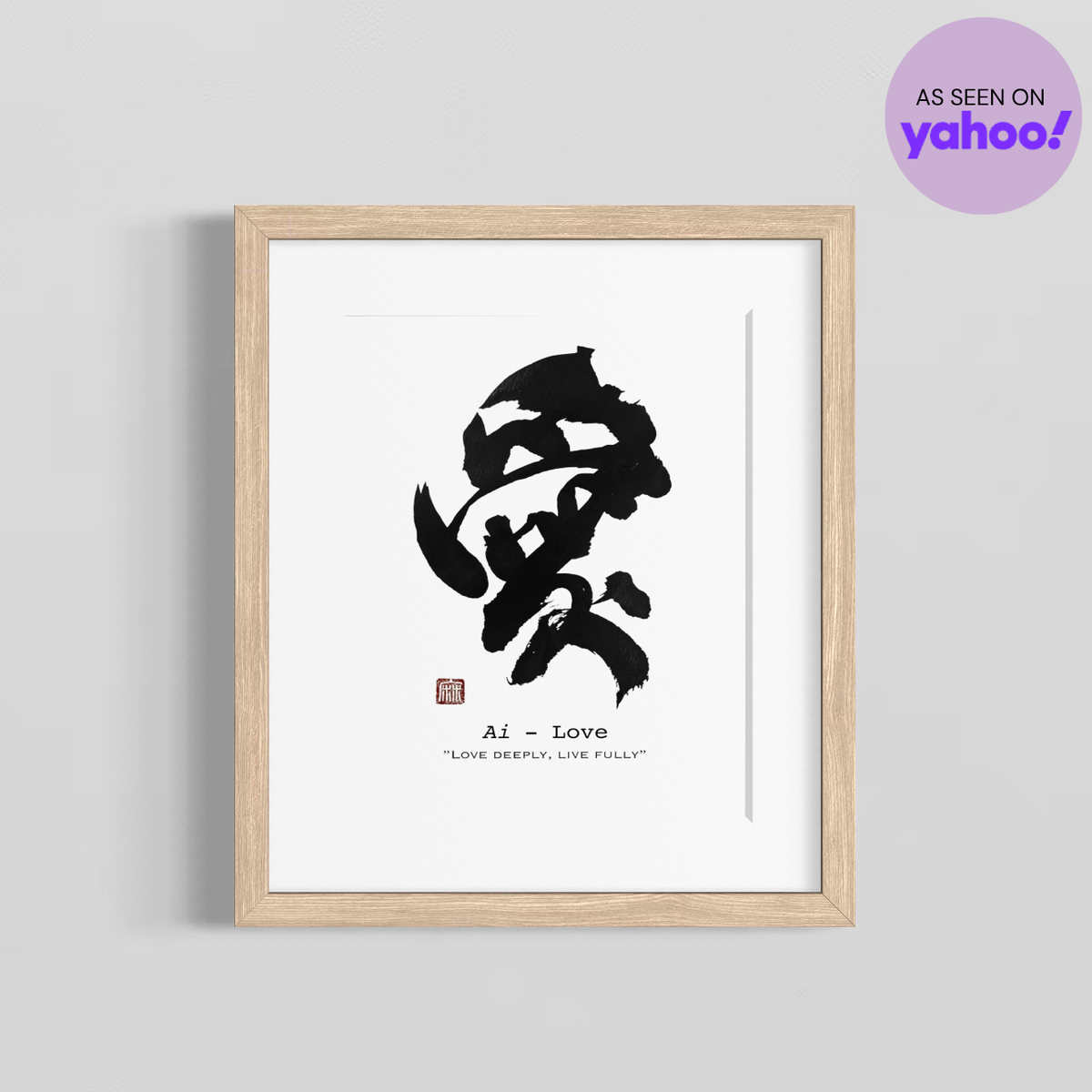
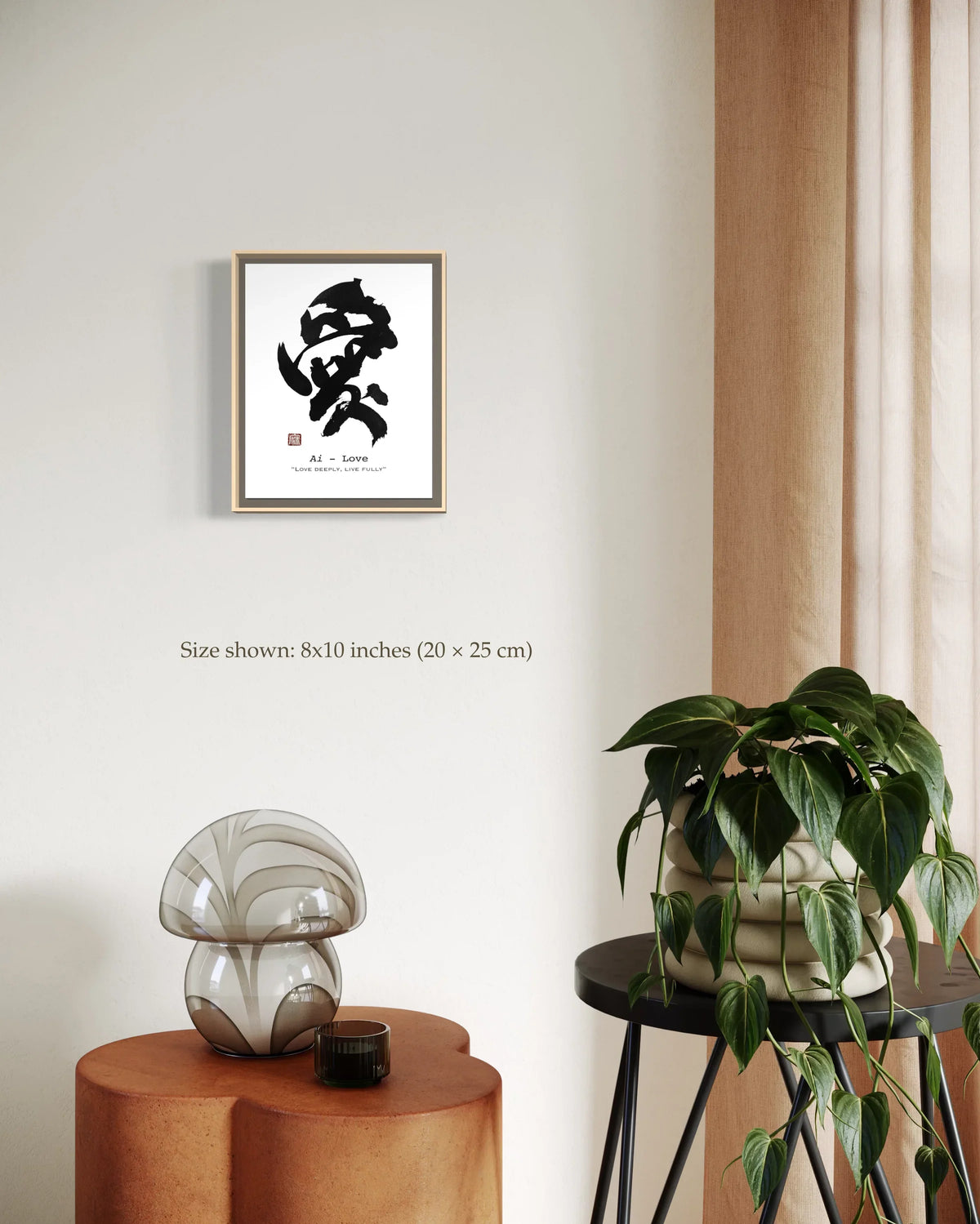
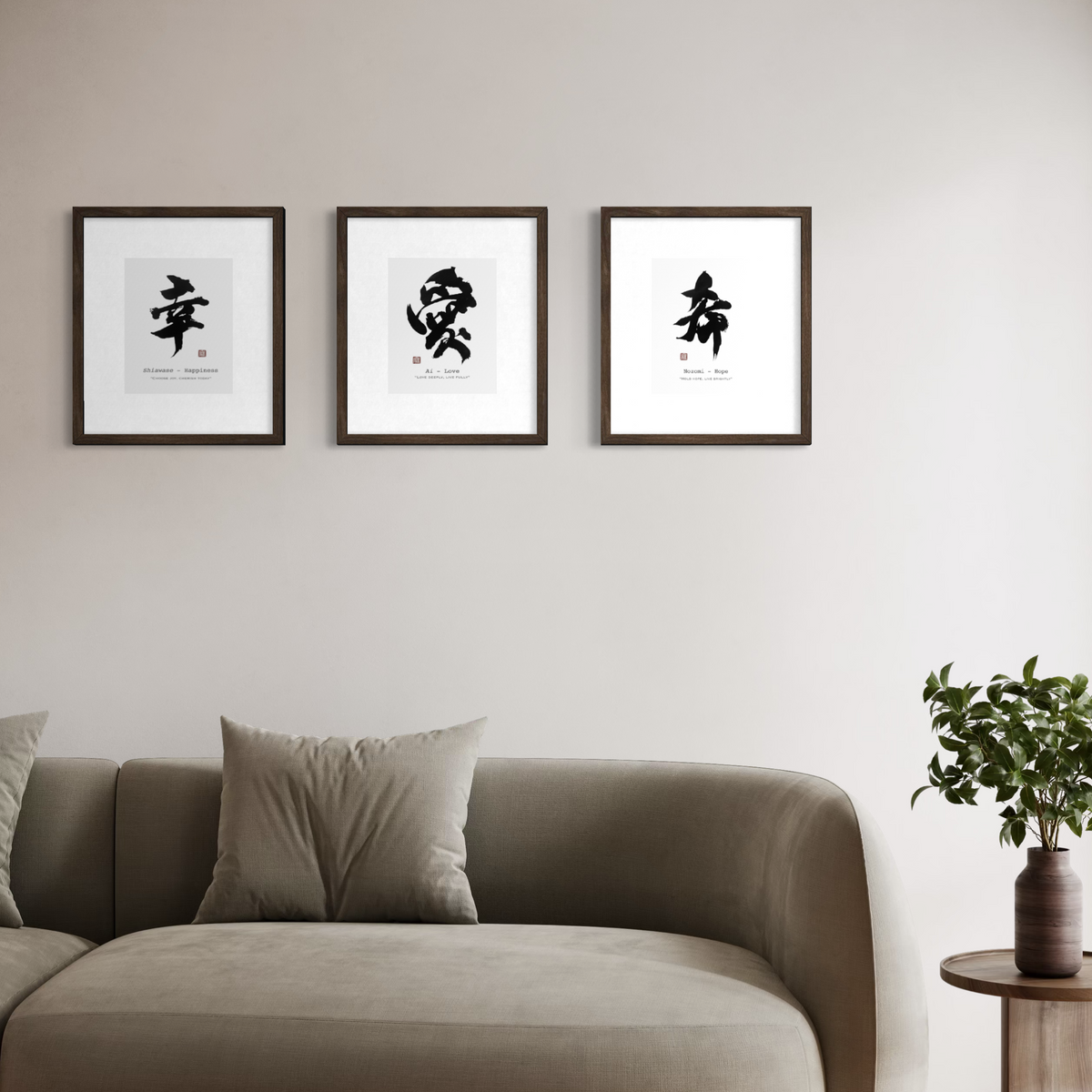
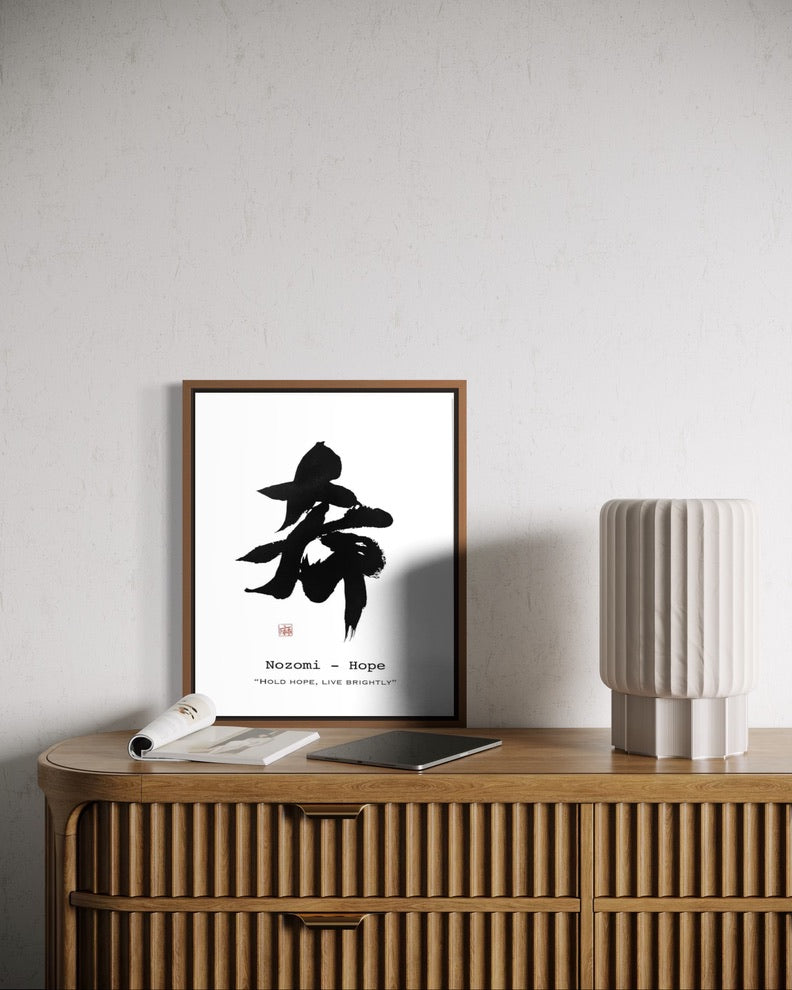
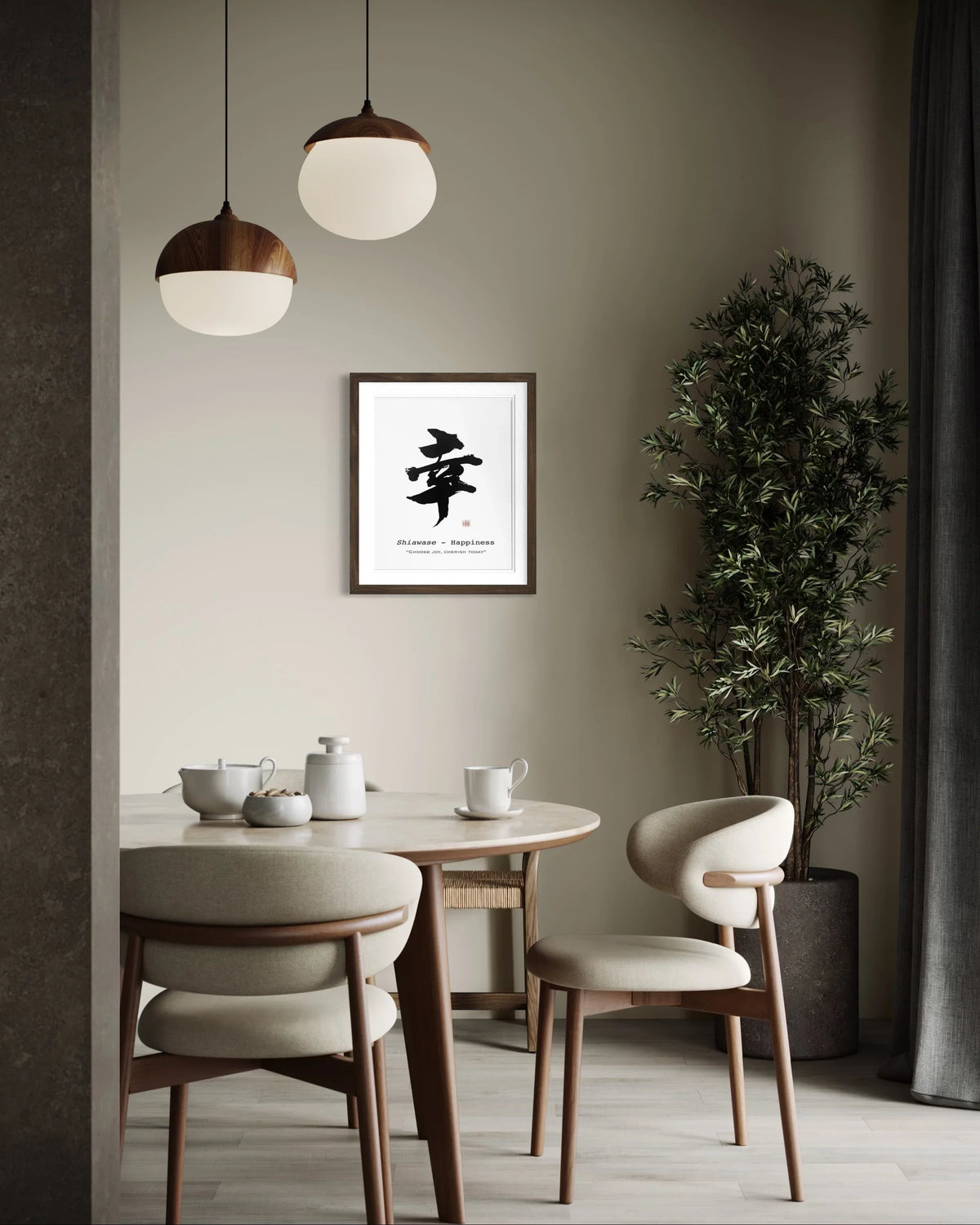
When Japanese calligraphy is displayed as wall art, it brings more than visual beauty into a space.
It brings:
- A sense of grounding
- A reminder to slow down
- A connection to intentional living
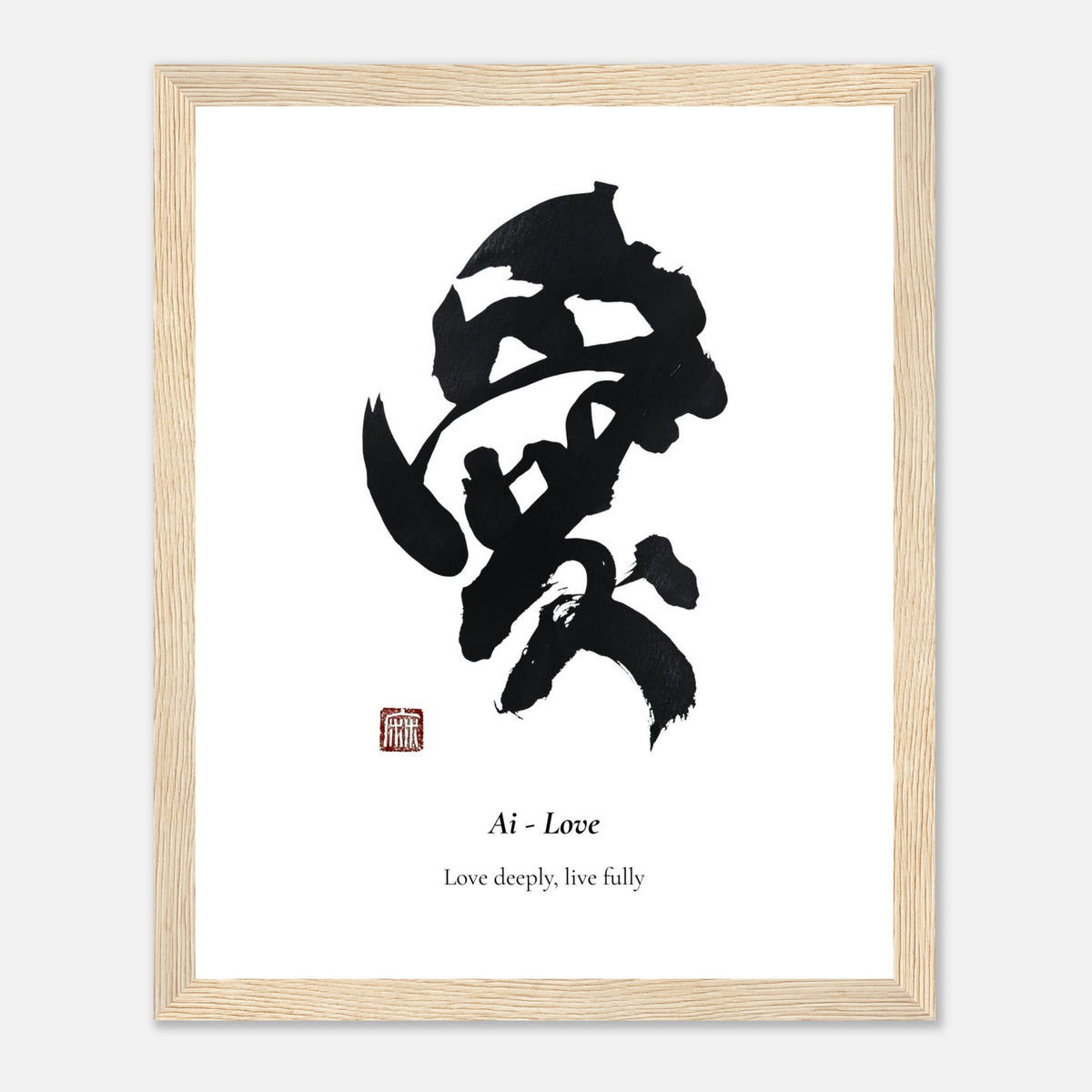
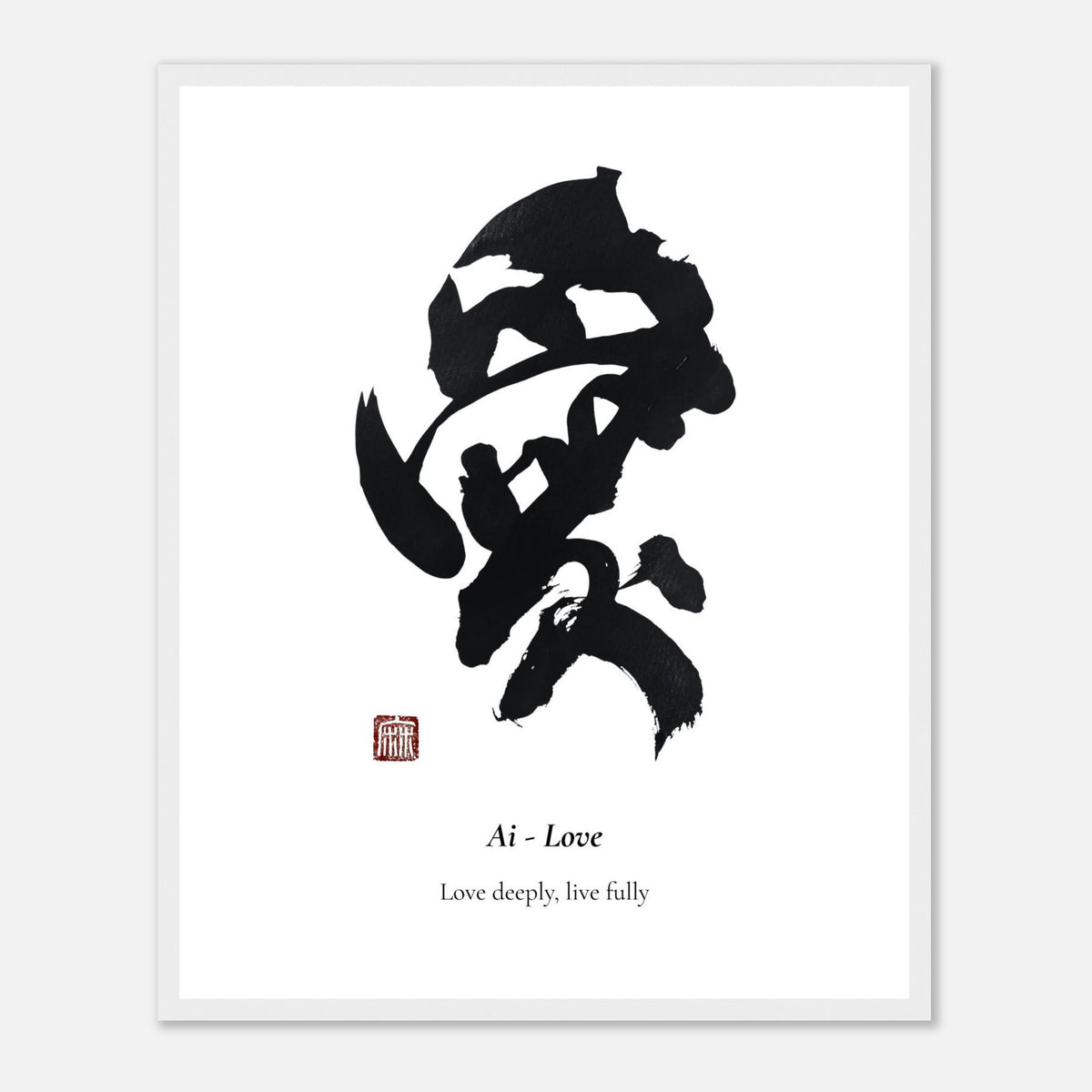
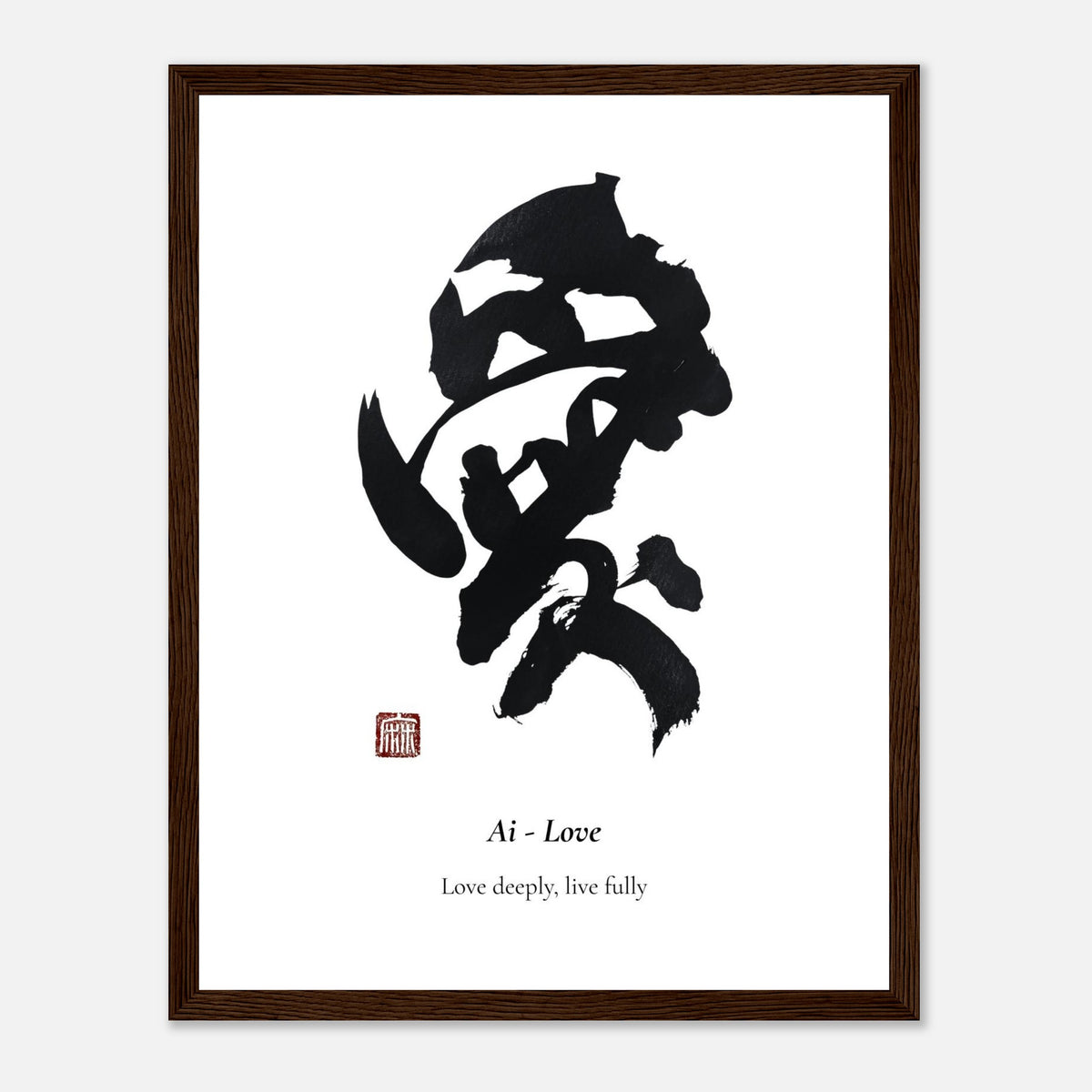
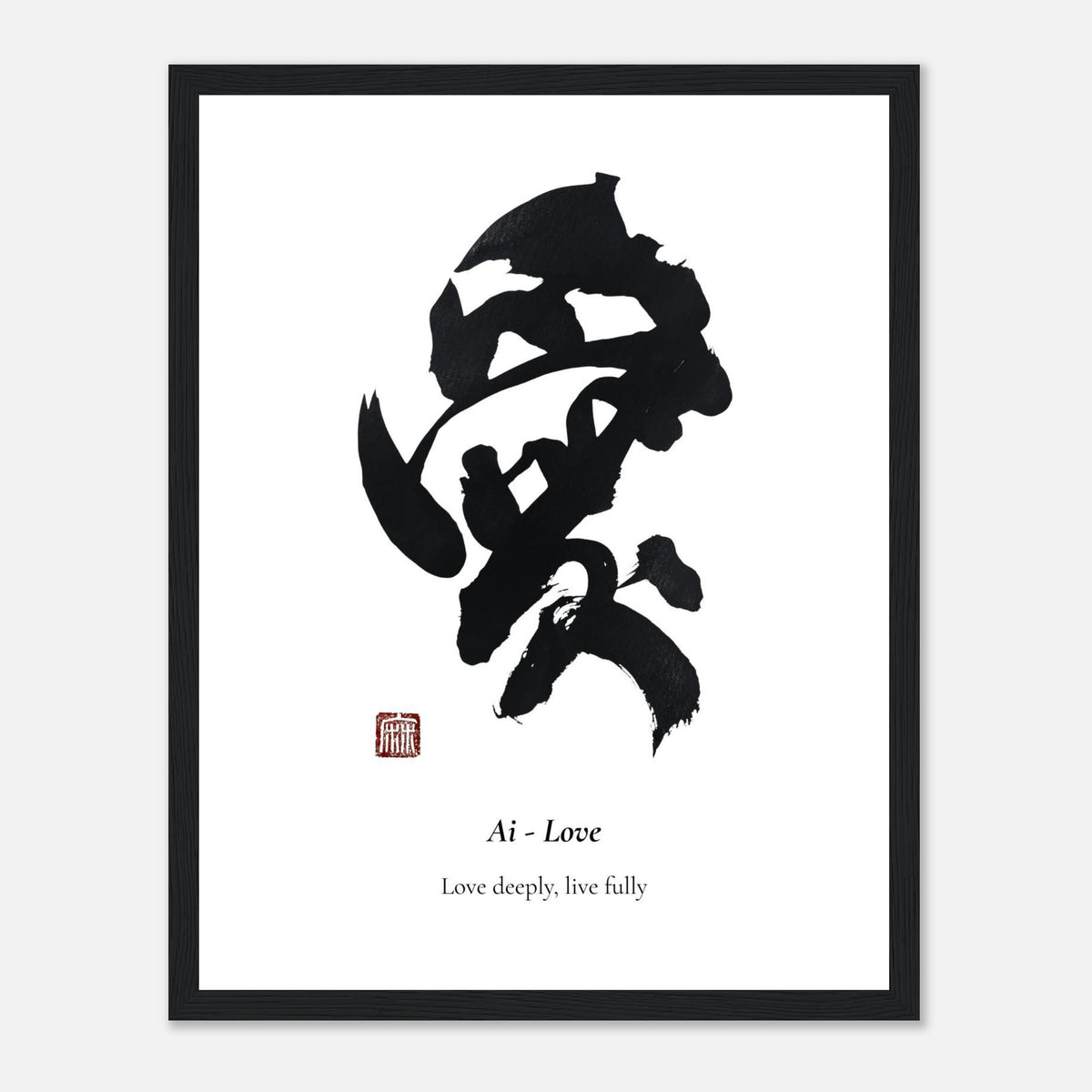
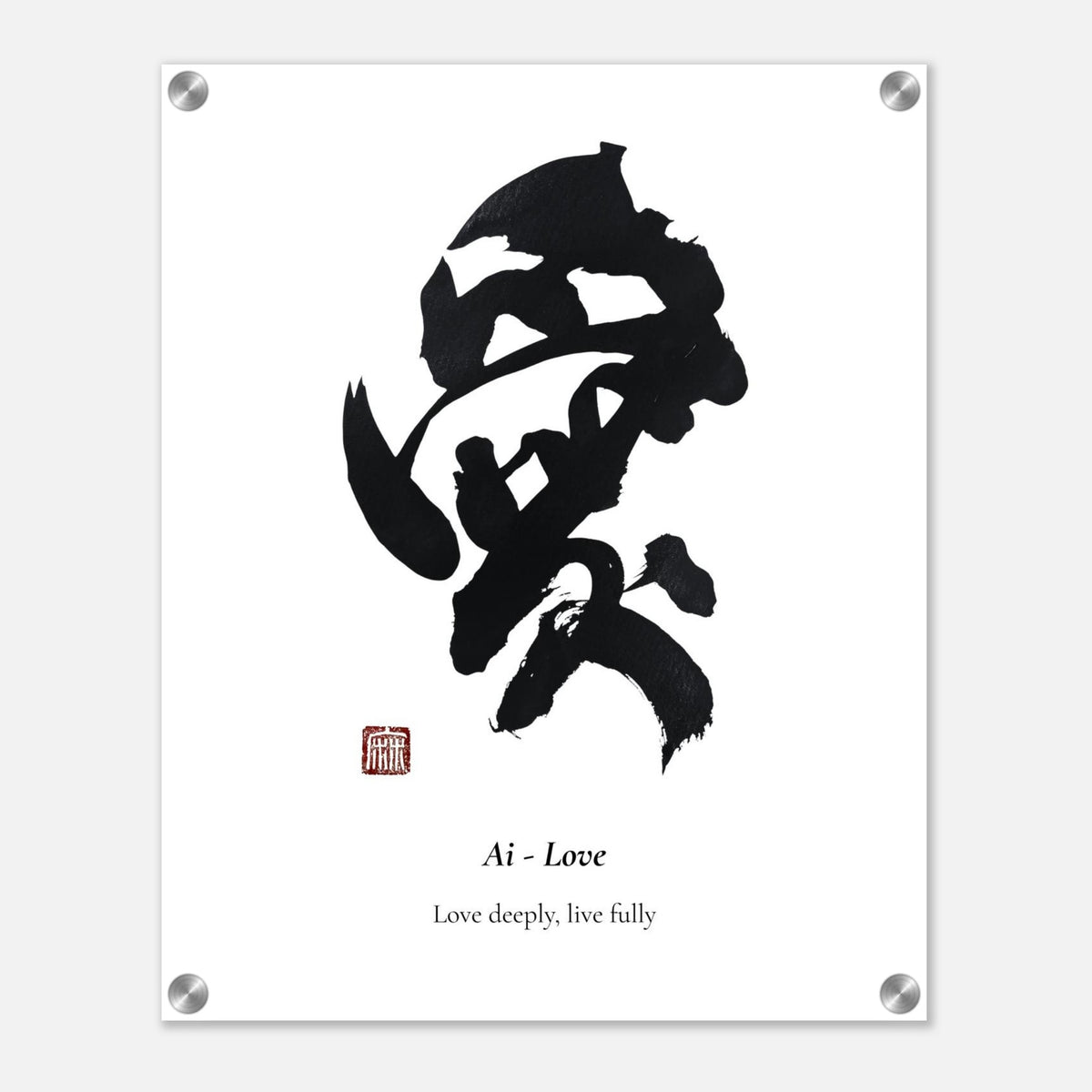
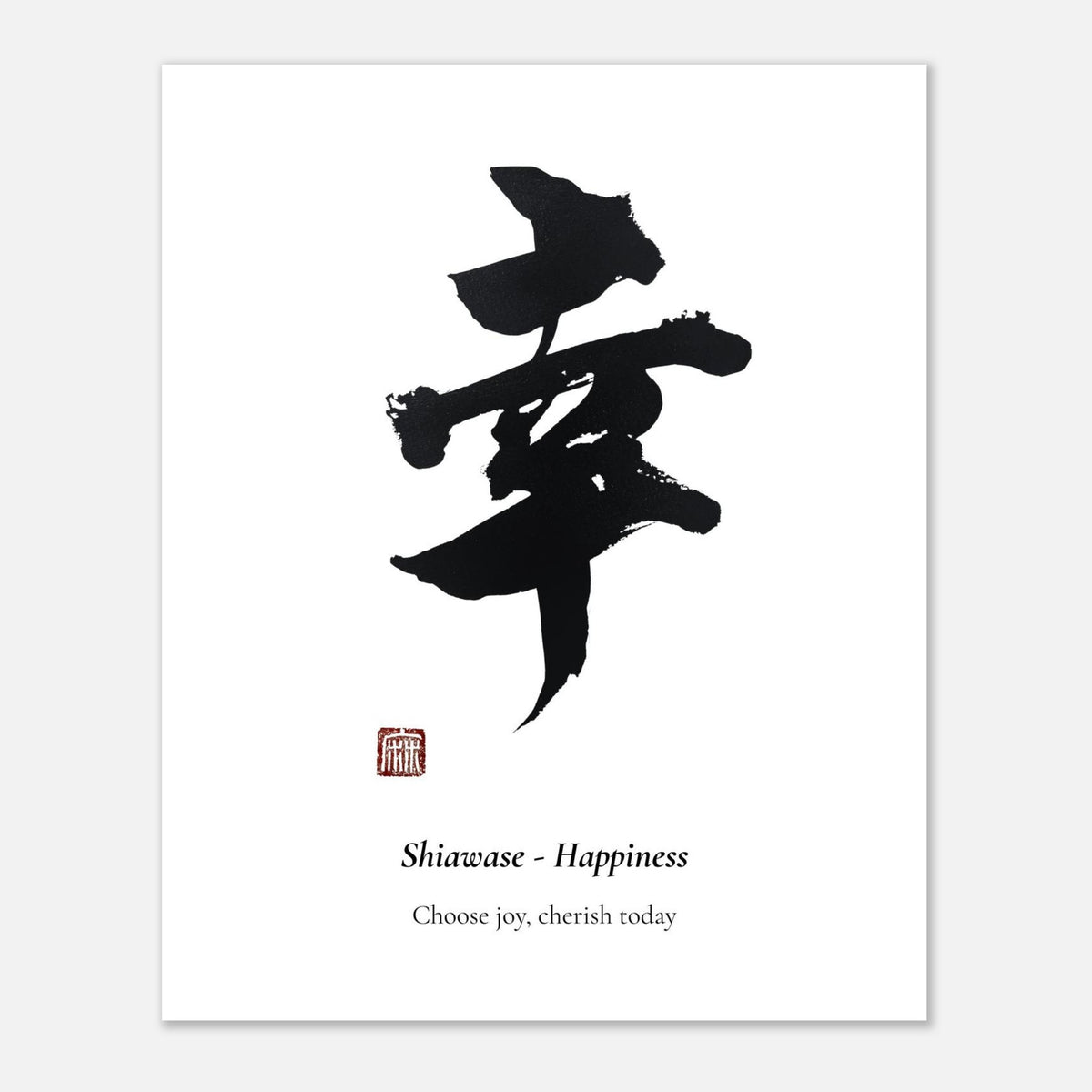
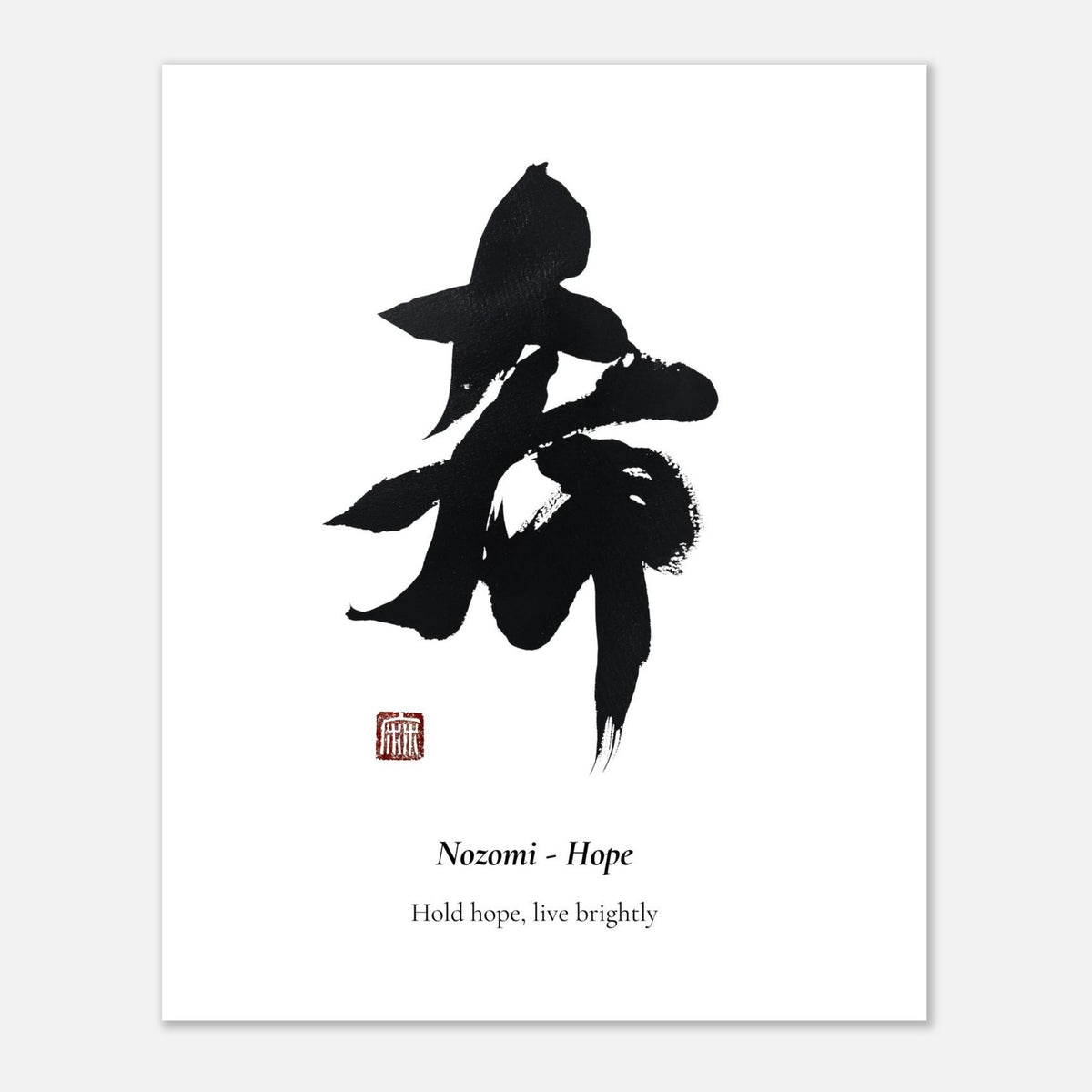
Whether the character represents love, hope, dream, or quiet, the process behind it is what gives it depth.
At BrushForma, our calligraphy-inspired designs honor this philosophy—bridging traditional craftsmanship with modern, minimalist living.
A Quiet Form of Making
Japanese calligraphy is not about producing more.
It is about being present with less.
Ink. Paper. Brush. Breath.
That is all it takes to create something meaningful.