Why Japanese Homes Feel Calm (Even When They’re Small)
In many parts of the world, spacious homes are associated with luxury.
Large open kitchens.
Expansive living rooms.
Walls filled with décor.
But in Japan, calm does not come from size.
Even in apartments under 45–50 square meters (approximately 500 square feet), Japanese homes often feel balanced, composed, and deeply restful.
So what creates that feeling?
It isn’t just minimalism.
It’s intention.
The Space Between: Understanding Ma (間)
One of the core ideas behind Japanese interiors is Ma (間).
Ma is not empty space.
It is meaningful space.
It is the pause in music.
The silence in conversation.
The breathing room between objects.
In many homes, walls are filled because emptiness feels unfinished.
In Japanese design, space is left intentionally — so that what remains carries more weight.
When fewer things compete for attention, the room feels calm.
And so does the mind.
One Object, Not Many
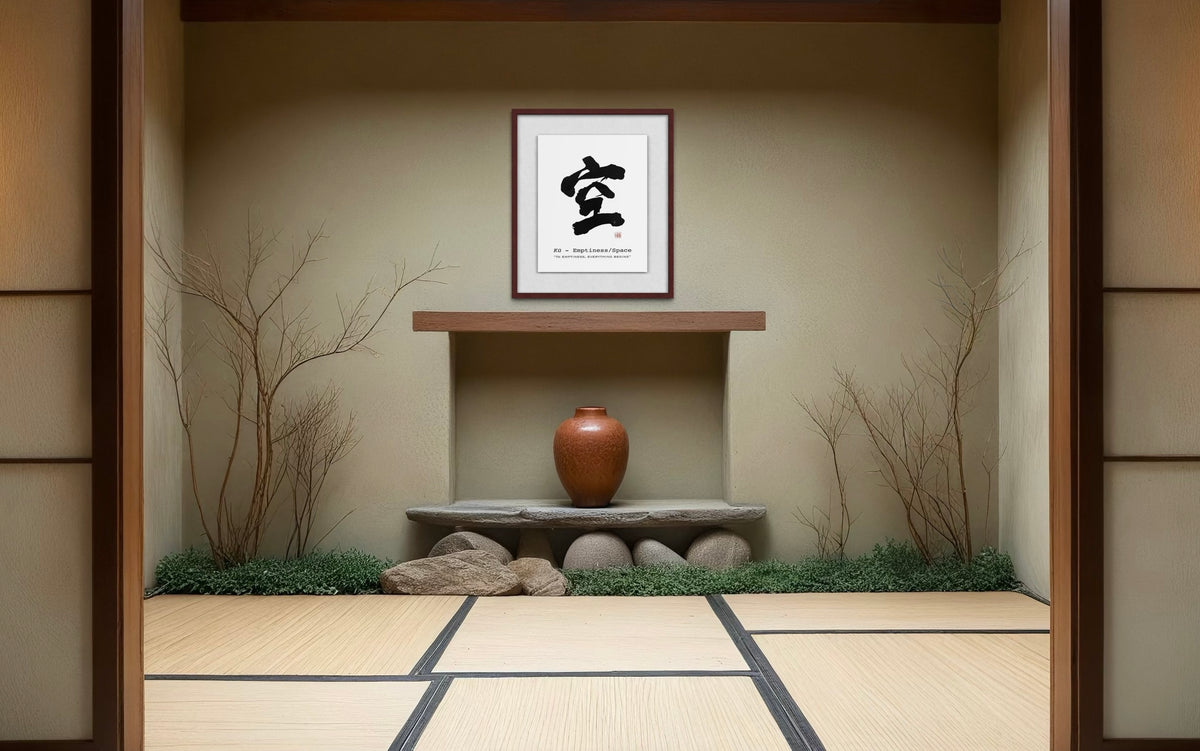
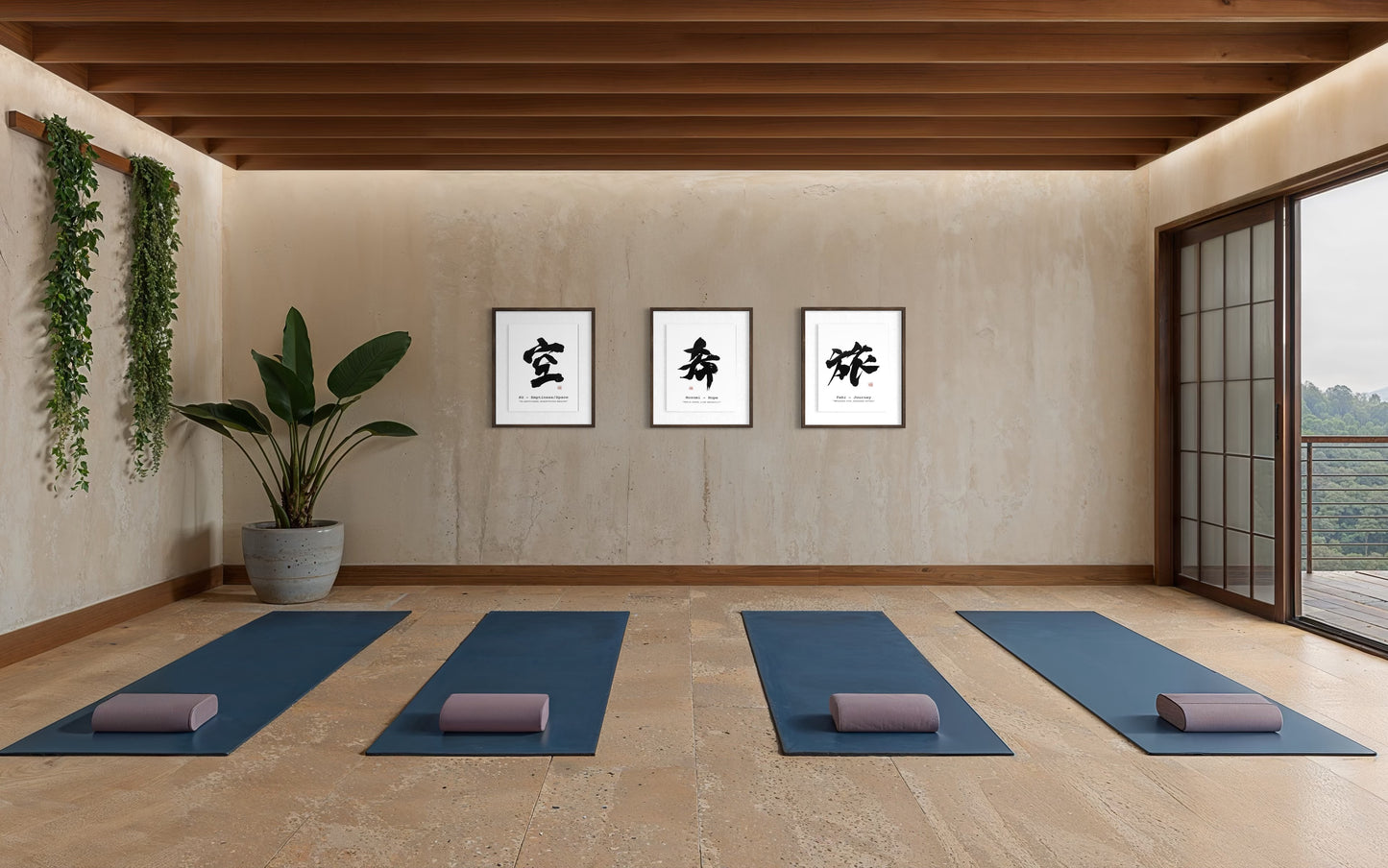
Traditional Japanese homes often include a tokonoma — a small alcove designed to display a single artwork or seasonal object.
Tokonoma
Only one scroll.
Only one flower arrangement.
Only one focal point.
Nothing overwhelms it.
This philosophy still influences modern Japanese interiors today.
Instead of layering decoration, many choose:
• One meaningful piece
• One intentional placement
• One visual anchor
The result feels spacious — even in a small room.
Why Small Spaces Can Feel Bigger
Japanese interiors often use:
- Lower furniture
- Neutral palettes
- Clean sightlines
- Controlled color contrast
This reduces visual noise.
When visual noise decreases, the nervous system relaxes.
A room doesn’t need to be large to feel open.
It needs rhythm.
The Emotional Power of a Single Word
In Japanese culture, a single character can hold deep meaning.
A word like:
夢 (Dream)
希 (Hope)
愛 (Love)
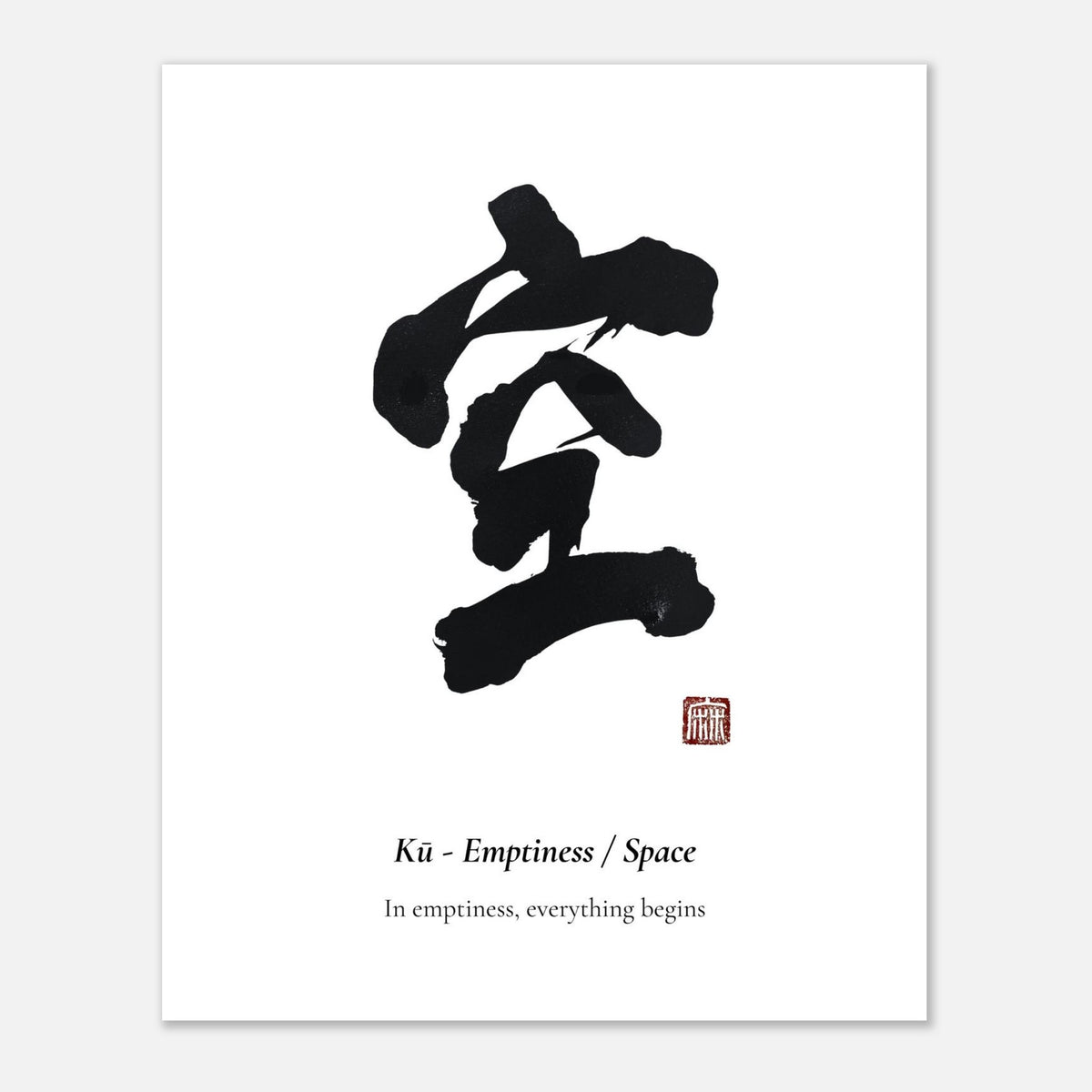
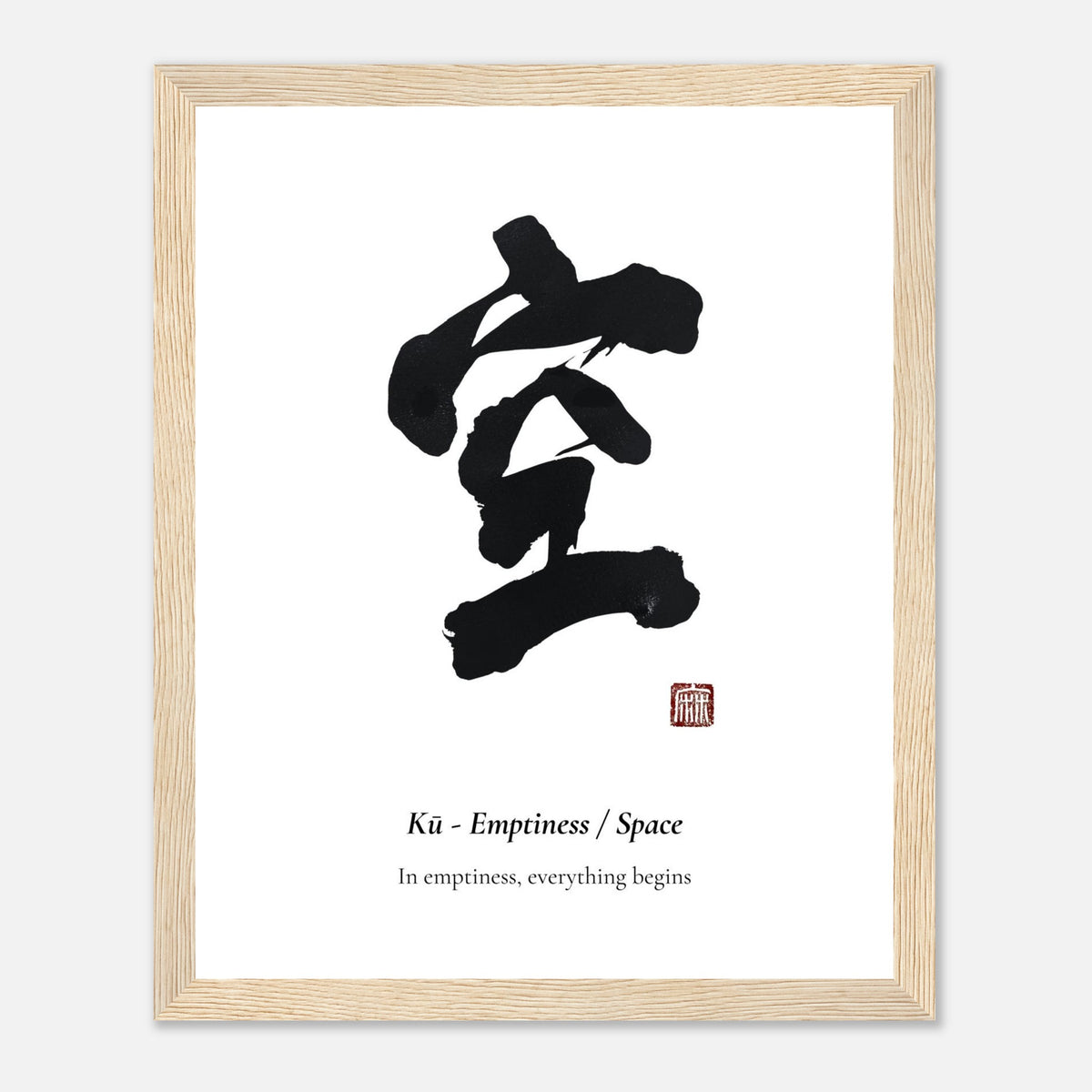
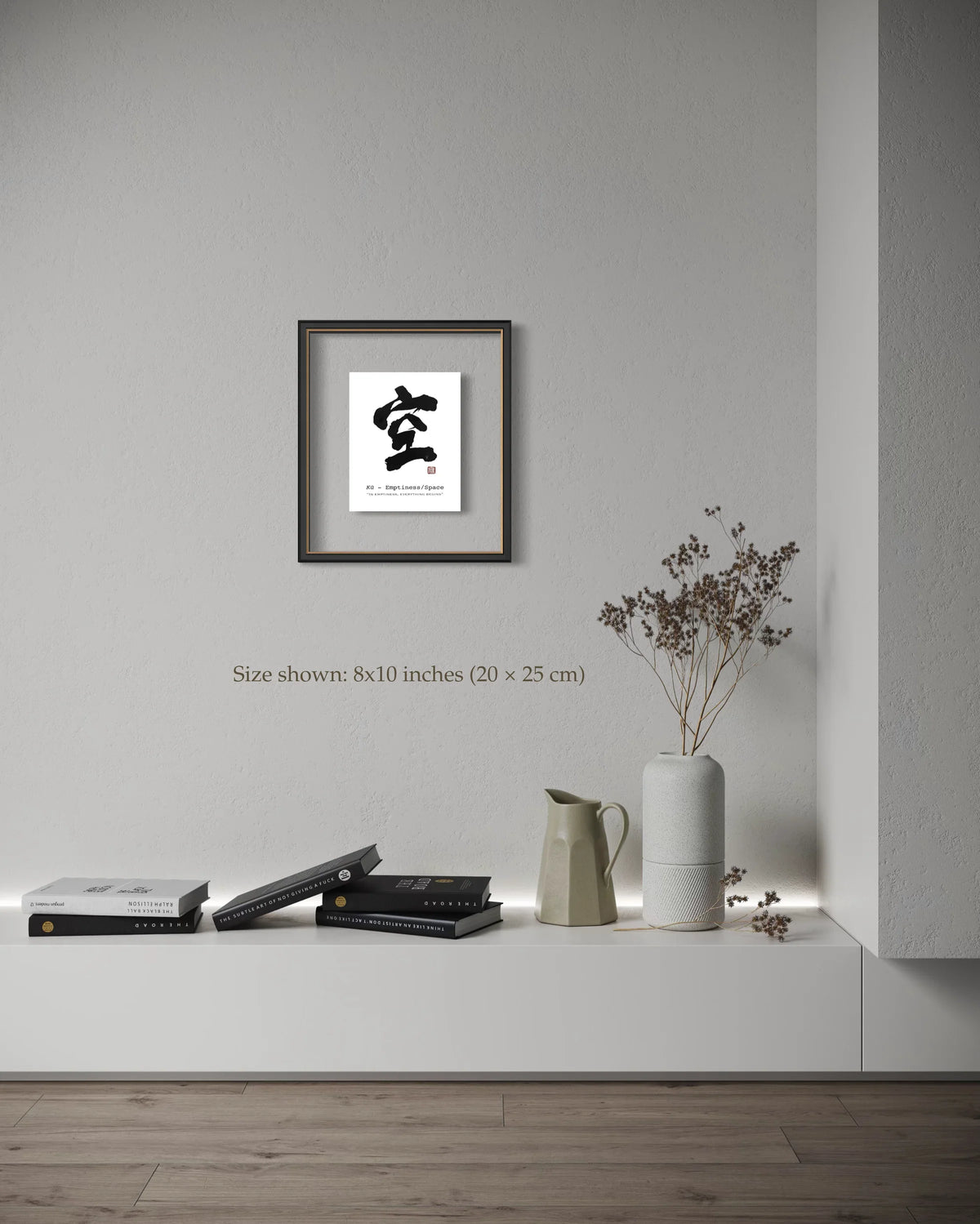
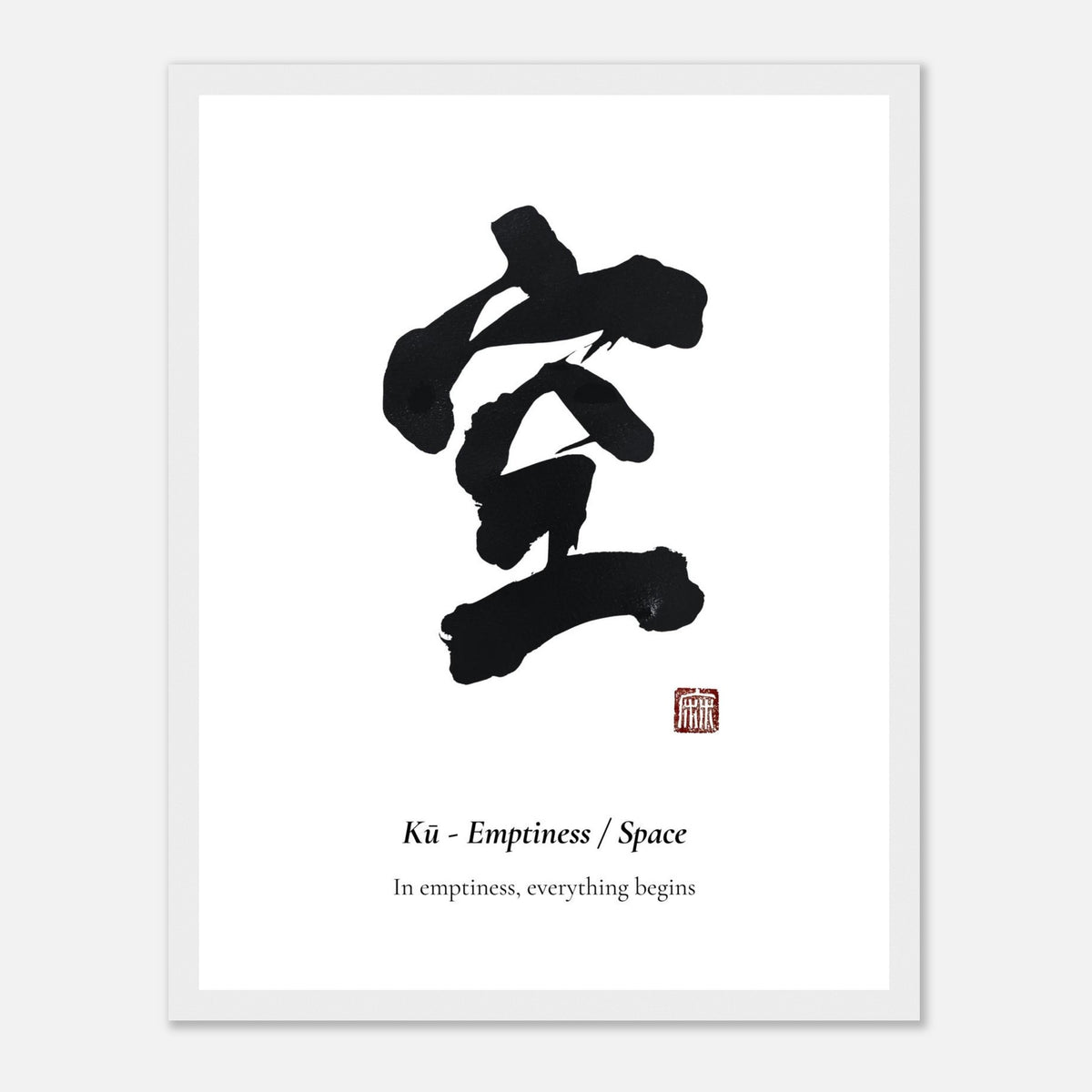
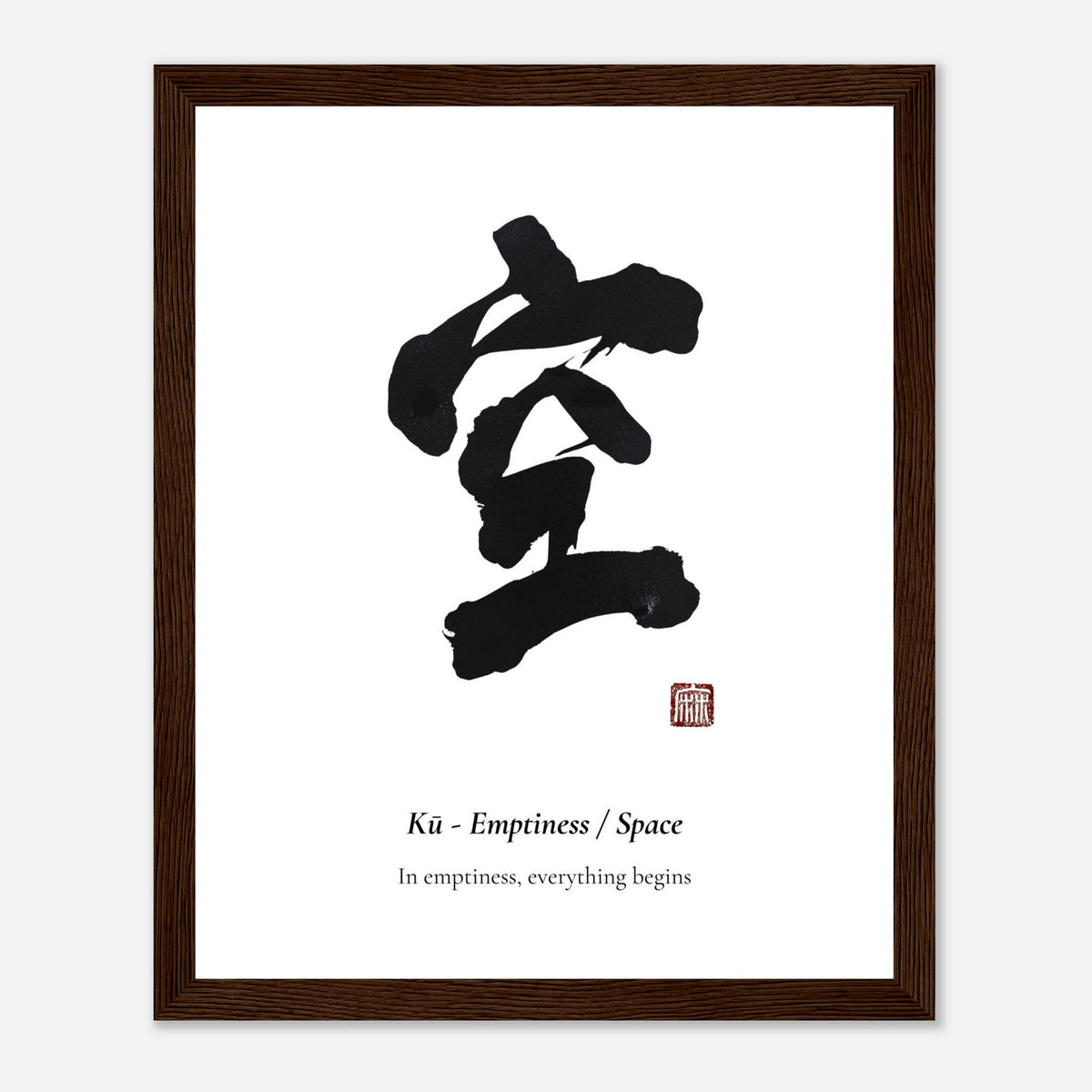
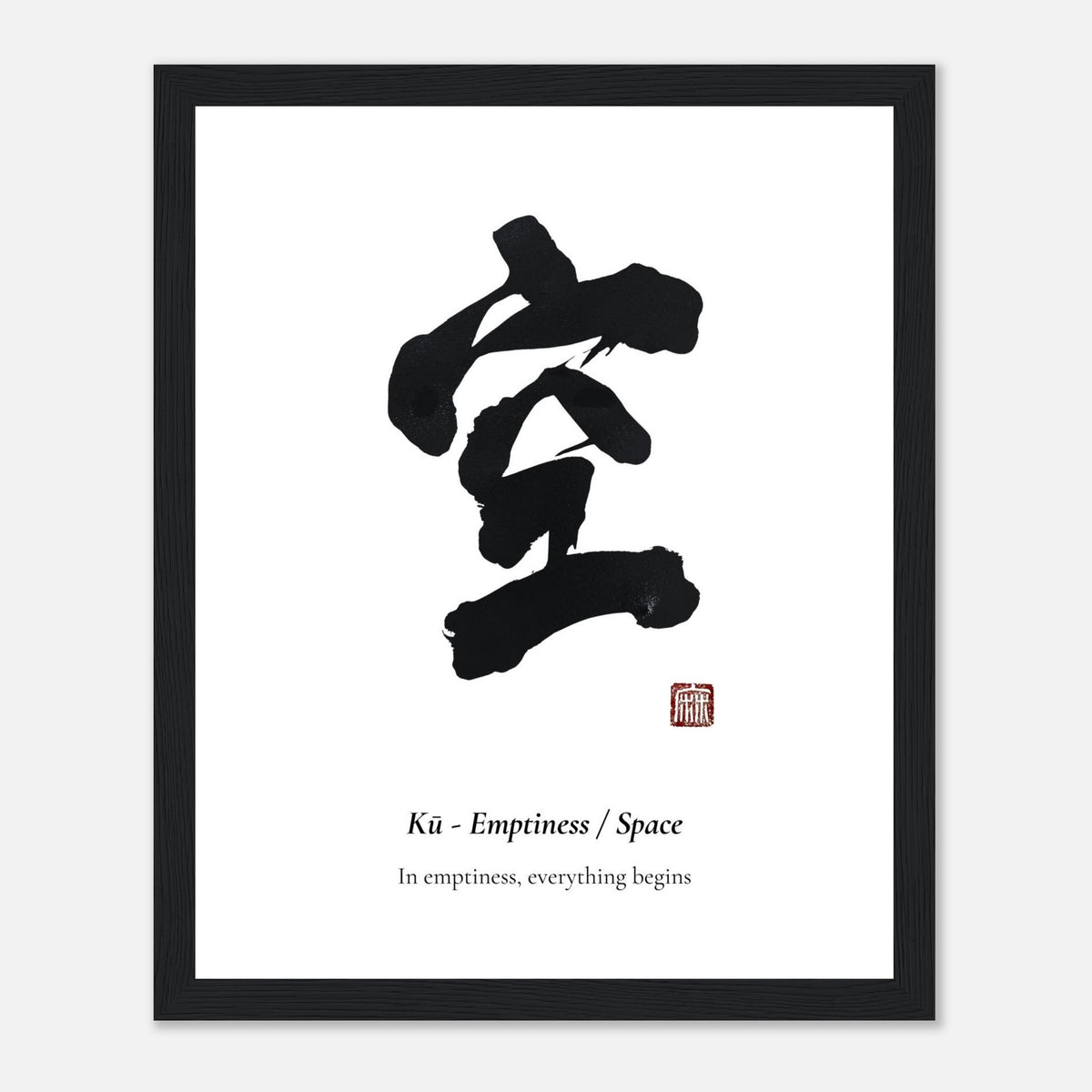
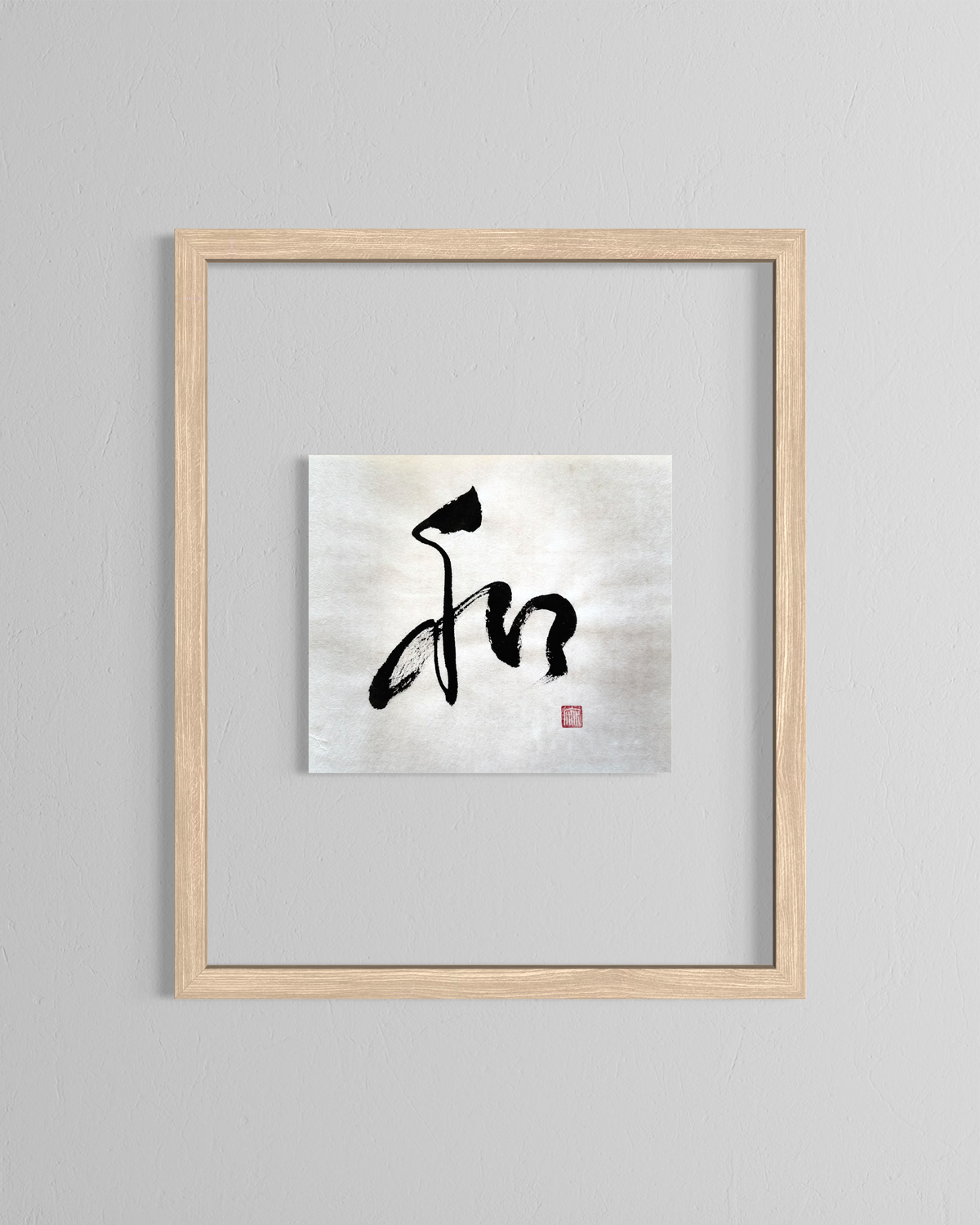
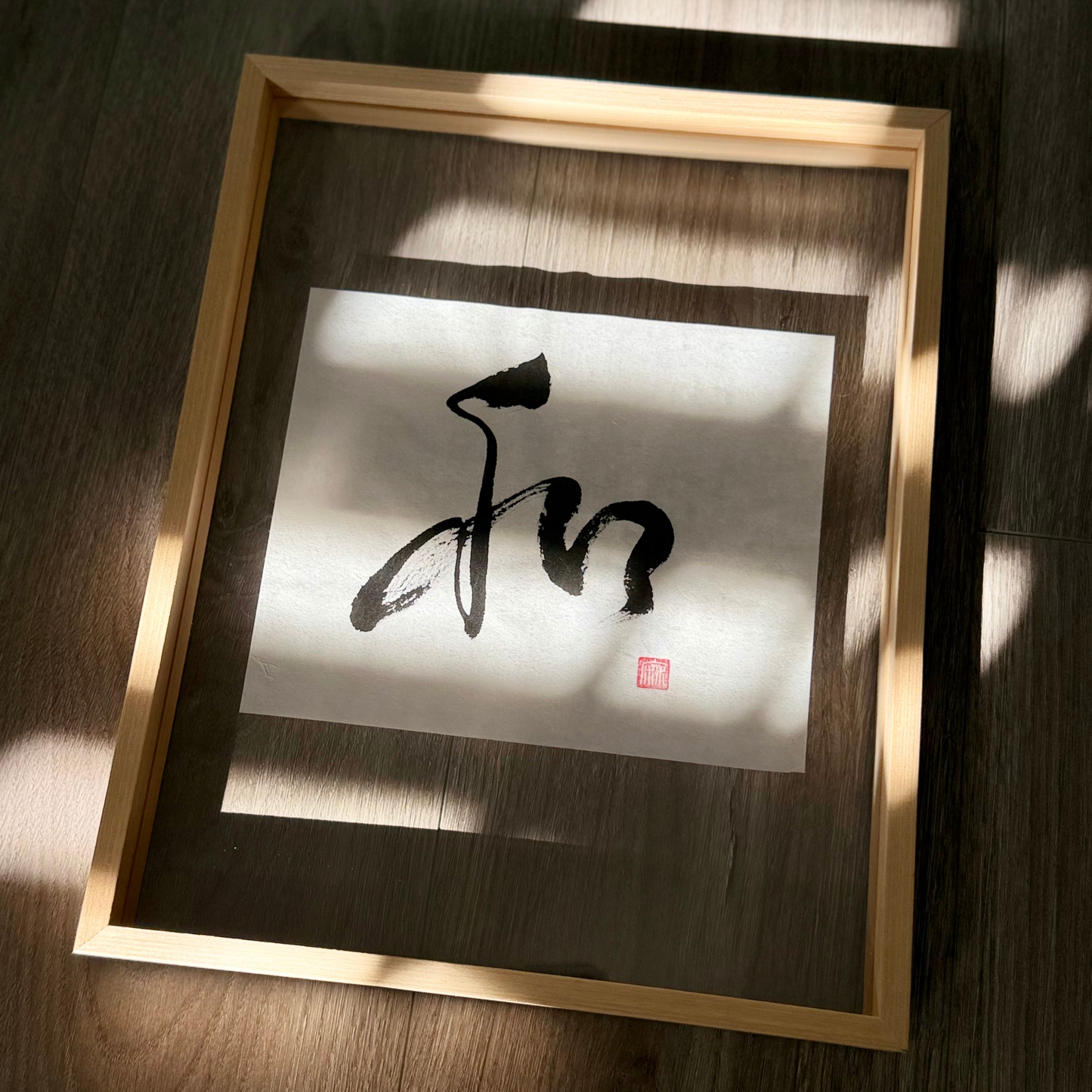
When placed alone on a wall, surrounded by space, it becomes more than decoration.
It becomes atmosphere.
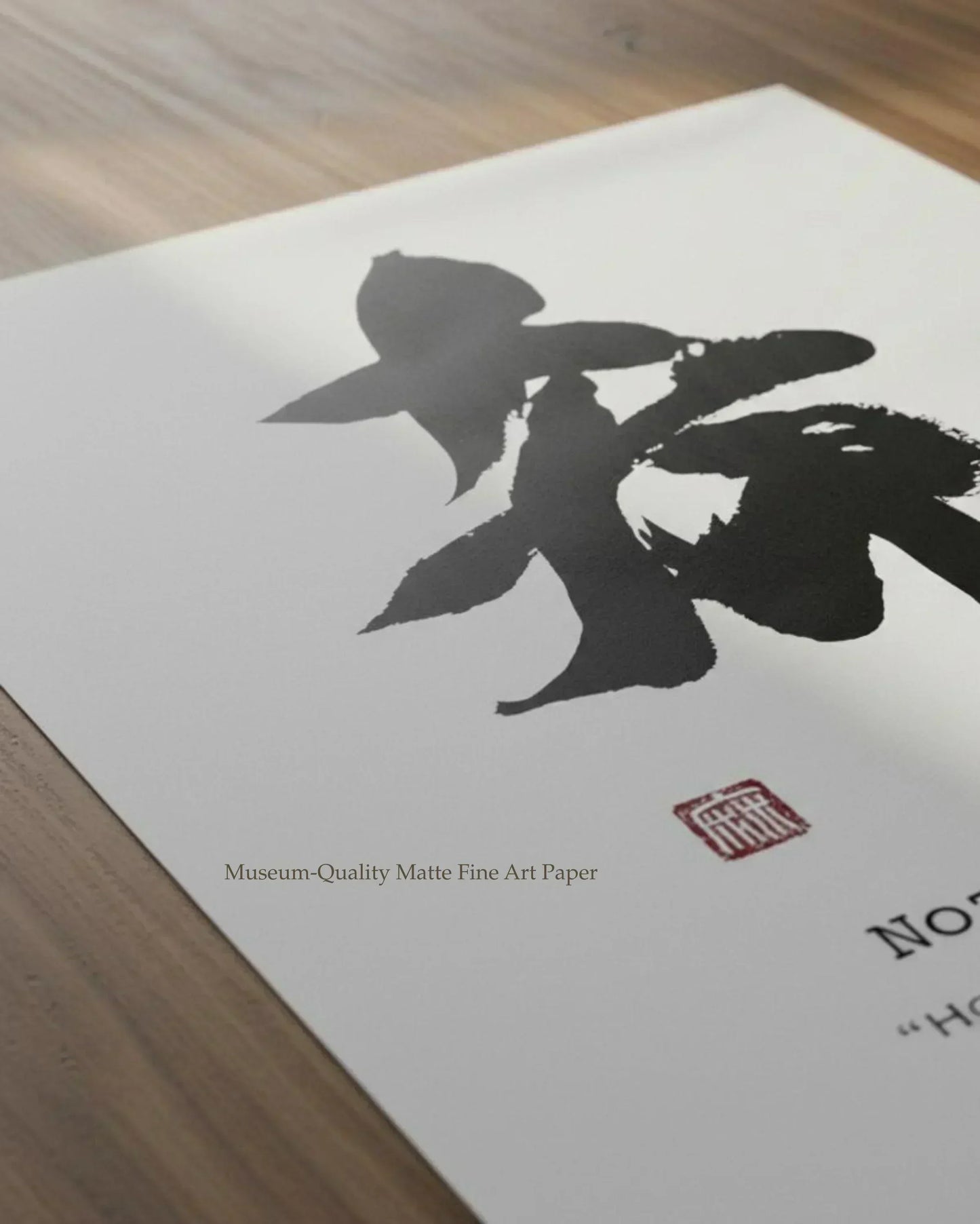
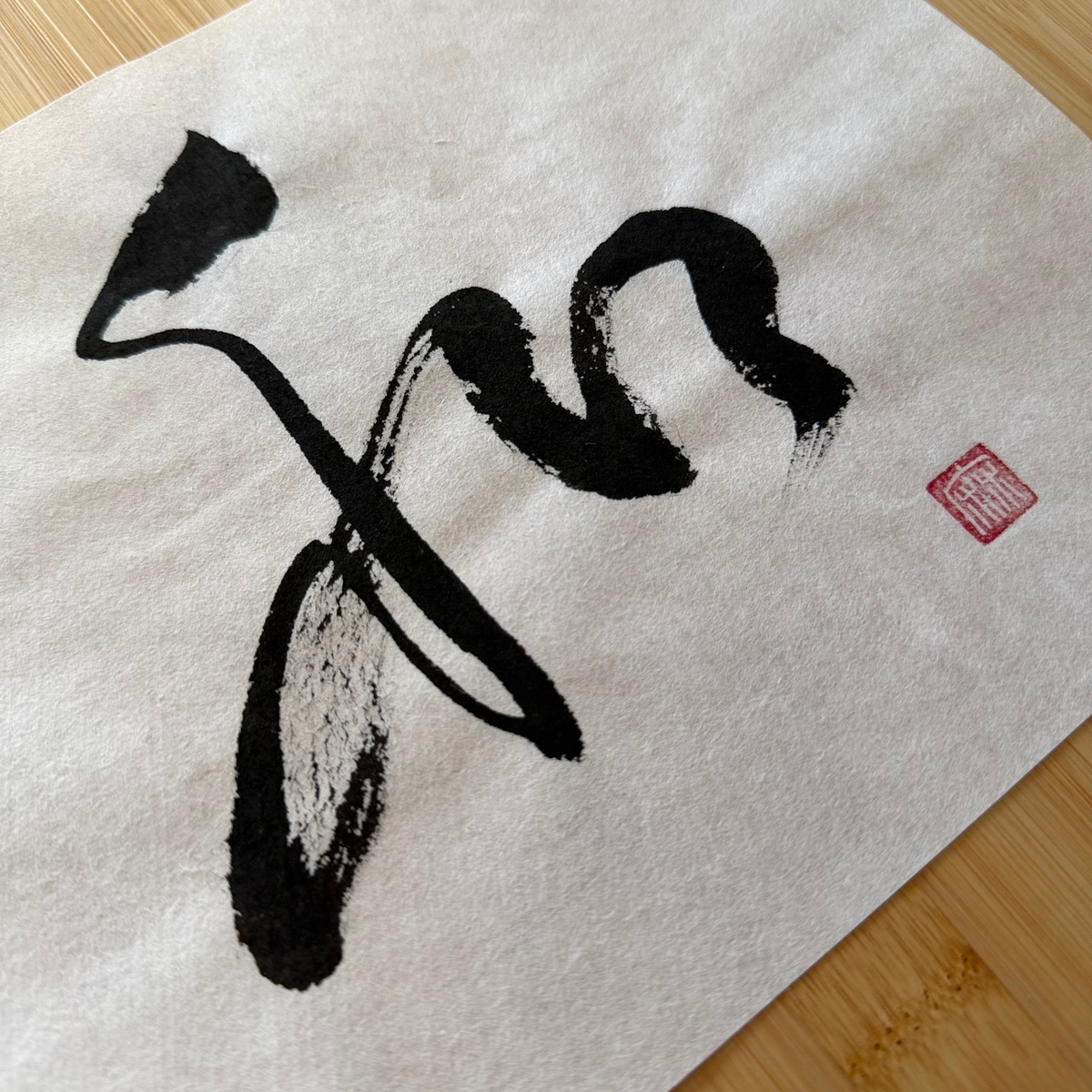
Unlike mass-produced prints that fill a wall, a single brushstroke can anchor a room quietly.
The emptiness around it is what gives it strength.
If you’ve ever felt drawn to spaces that feel intentional rather than decorated — this is why.
How to Create This Feeling in Your Own Home
You don’t need a traditional Japanese house.
You can start with something simple:
• Clear one wall
• Remove one unnecessary object
• Choose one piece that reflects how you want to feel
Instead of asking, “What should I add?”
Try asking, “What deserves to stay?”
When space is intentional, meaning becomes visible.
A Gentle Invitation
If this idea resonates with you, explore artwork that is designed to work with space — not compete with it.
Our contemporary Japanese calligraphy prints are created with this philosophy in mind:
One word.
One brushstroke.
Room to breathe.
You can explore the collection here →
Calm is not about owning less.
It is about choosing better.
Even the smallest home can feel expansive
when what remains has intention.
And sometimes, one word is enough.