What Is Japandi Wall Art? A Guide to Calm, Minimal Interiors
In a world filled with visual noise, Japandi wall art offers something rare — quiet.
Japandi is a design movement that blends Japanese minimalism with Scandinavian warmth. The result is a style rooted in simplicity, natural materials, and intentional living. When translated into wall art, Japandi becomes more than decoration. It becomes atmosphere.
What Defines Japandi Wall Art?
Japandi wall art is characterized by:
- Minimal composition
- Neutral, earthy tones
- Organic textures
- Natural materials
- A focus on balance and negative space
Unlike loud statement pieces, Japandi artwork is subtle. It supports the room rather than dominating it.
The purpose is not to impress — but to calm.
The Japanese Influence: Simplicity and Imperfection
At its core, Japandi draws deeply from Japanese philosophy — particularly wabi-sabi, the appreciation of imperfection and transience.
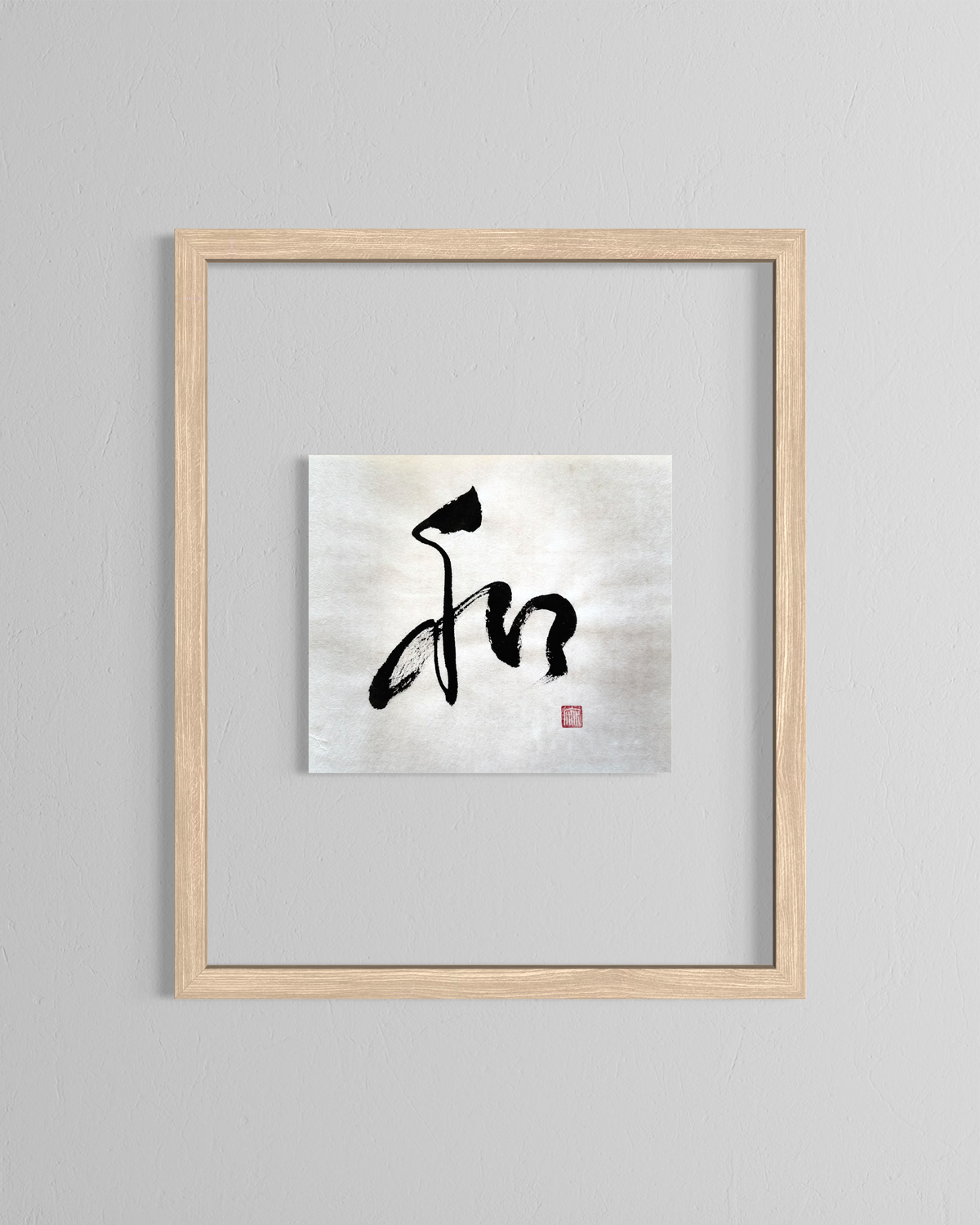
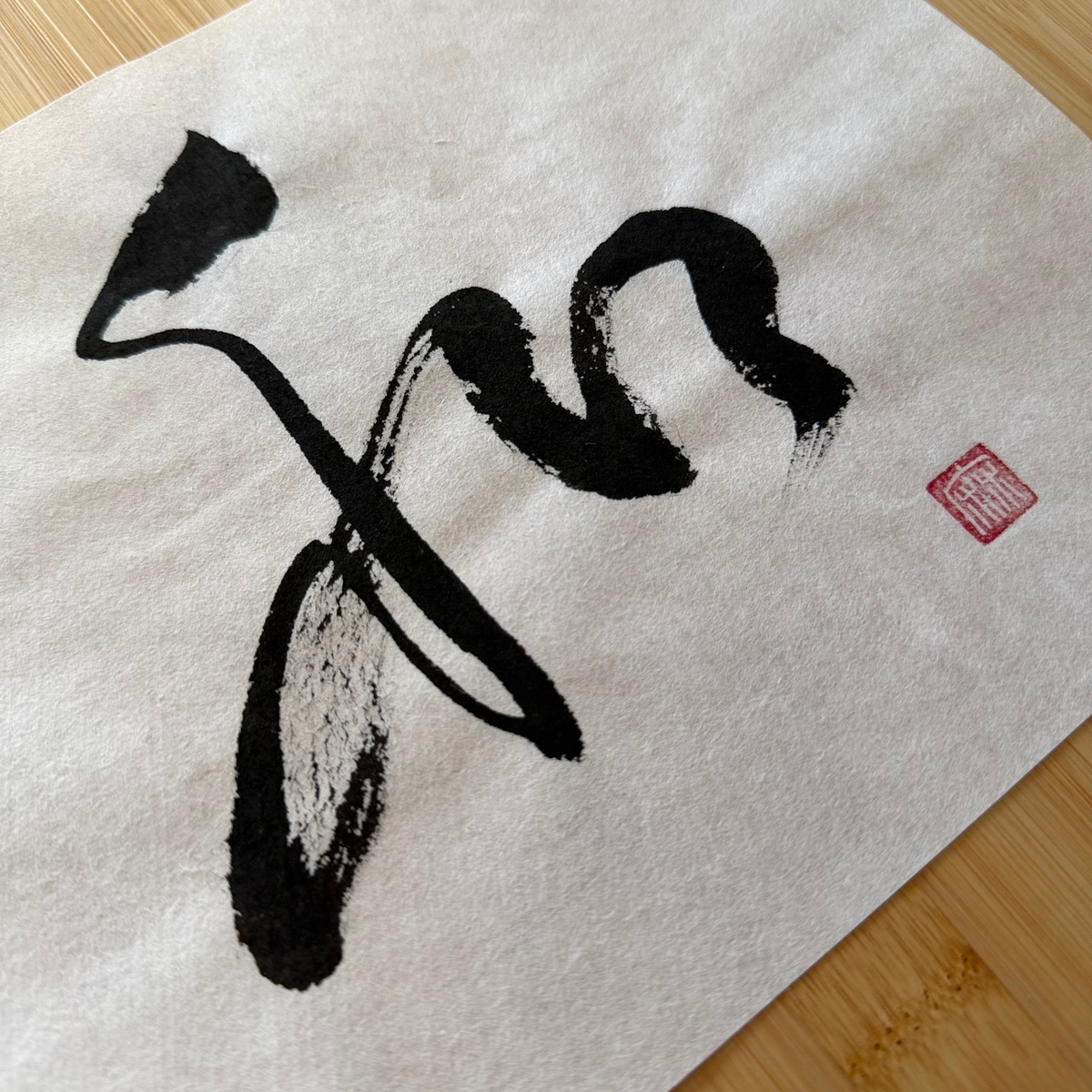
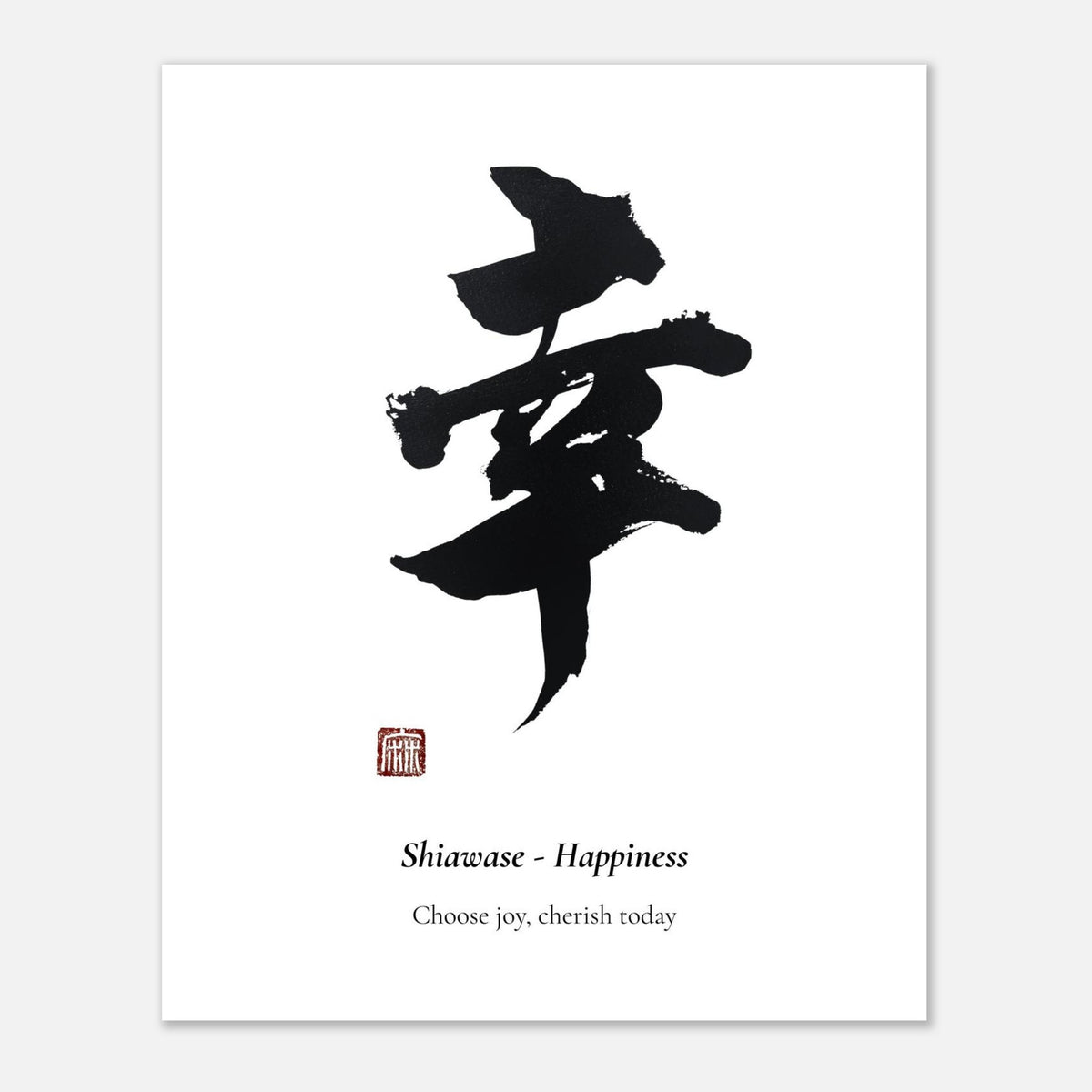
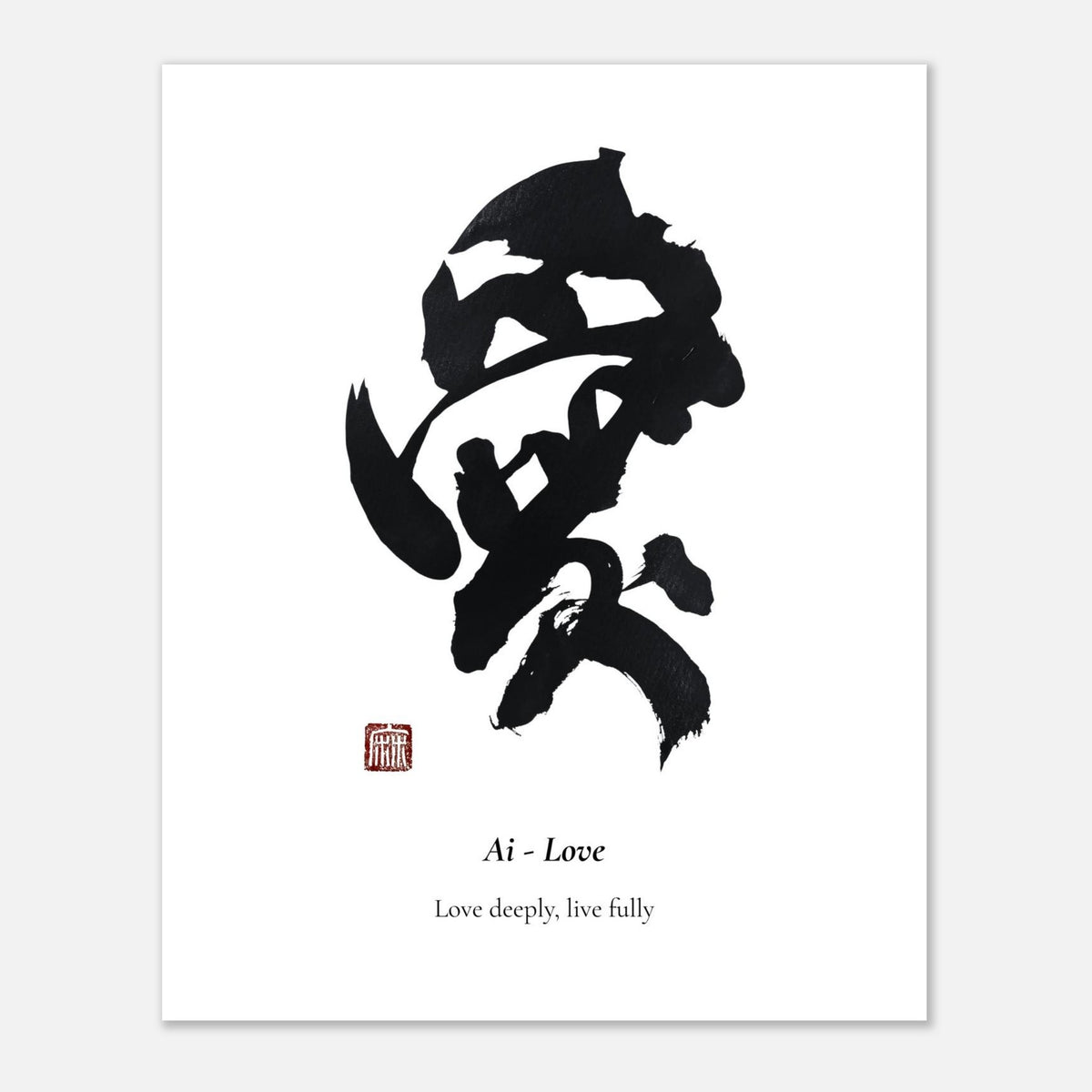
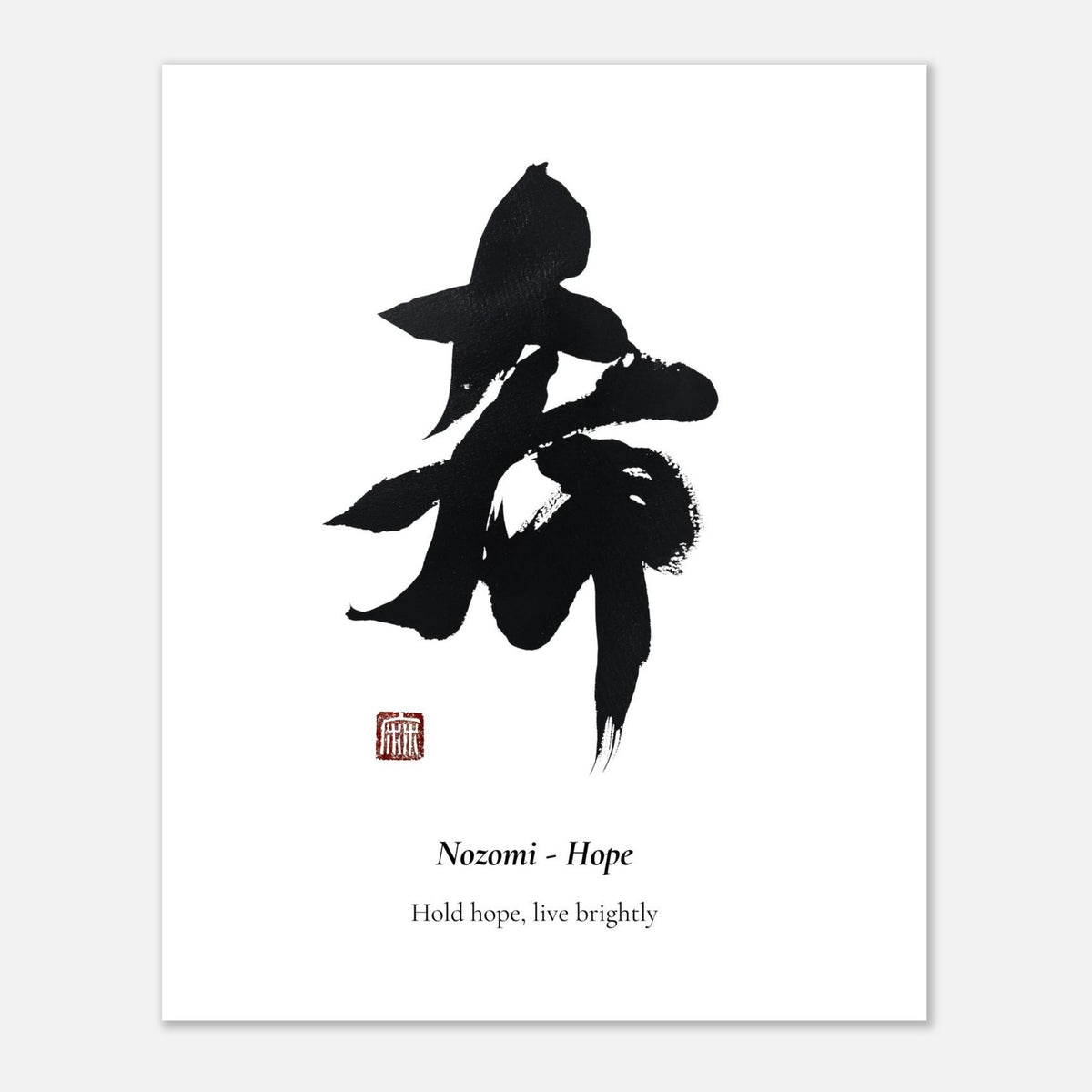
Traditional Japanese ink art (sumi) embodies this beautifully. Each brushstroke is intentional. Each empty space carries meaning. The artwork breathes.
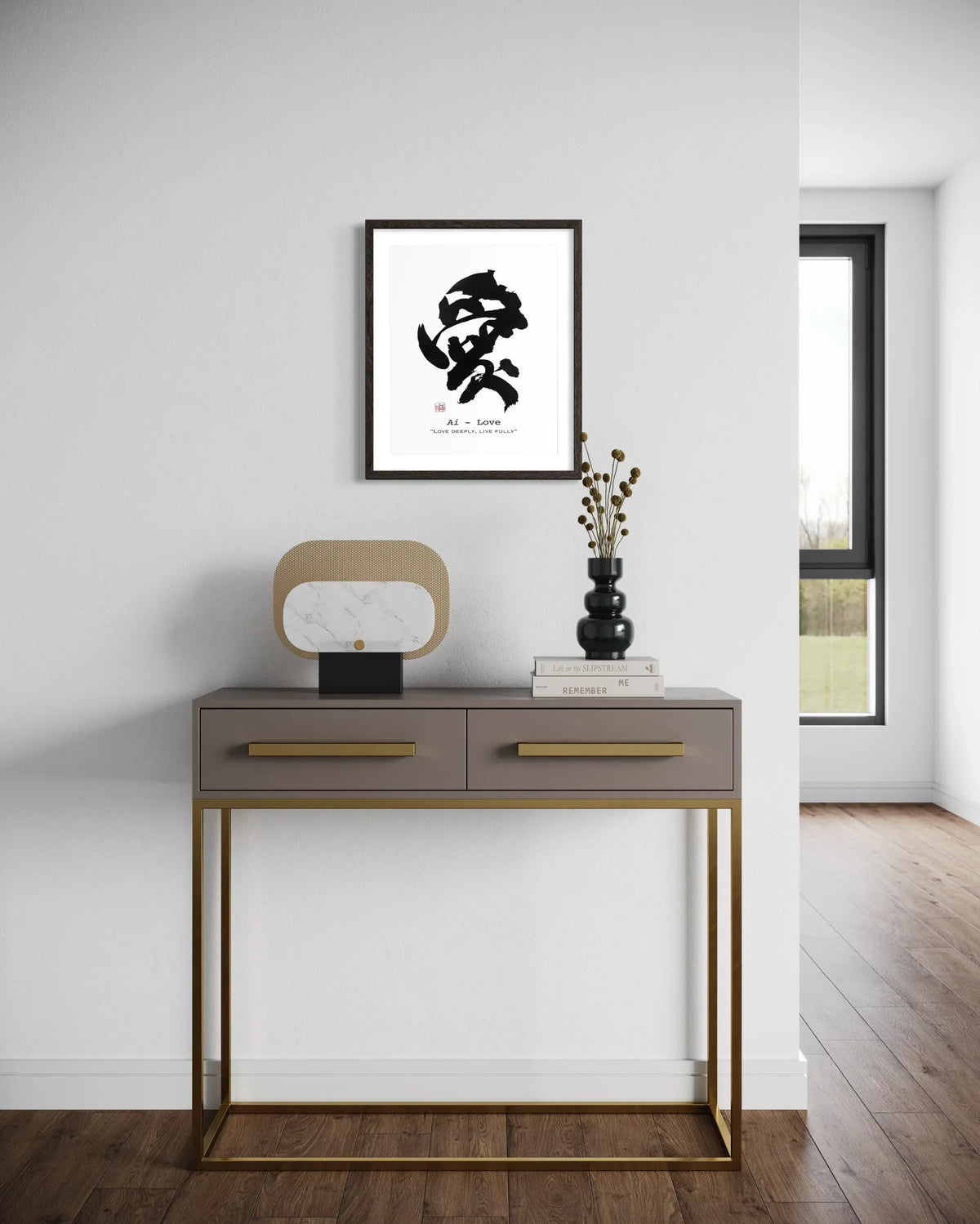
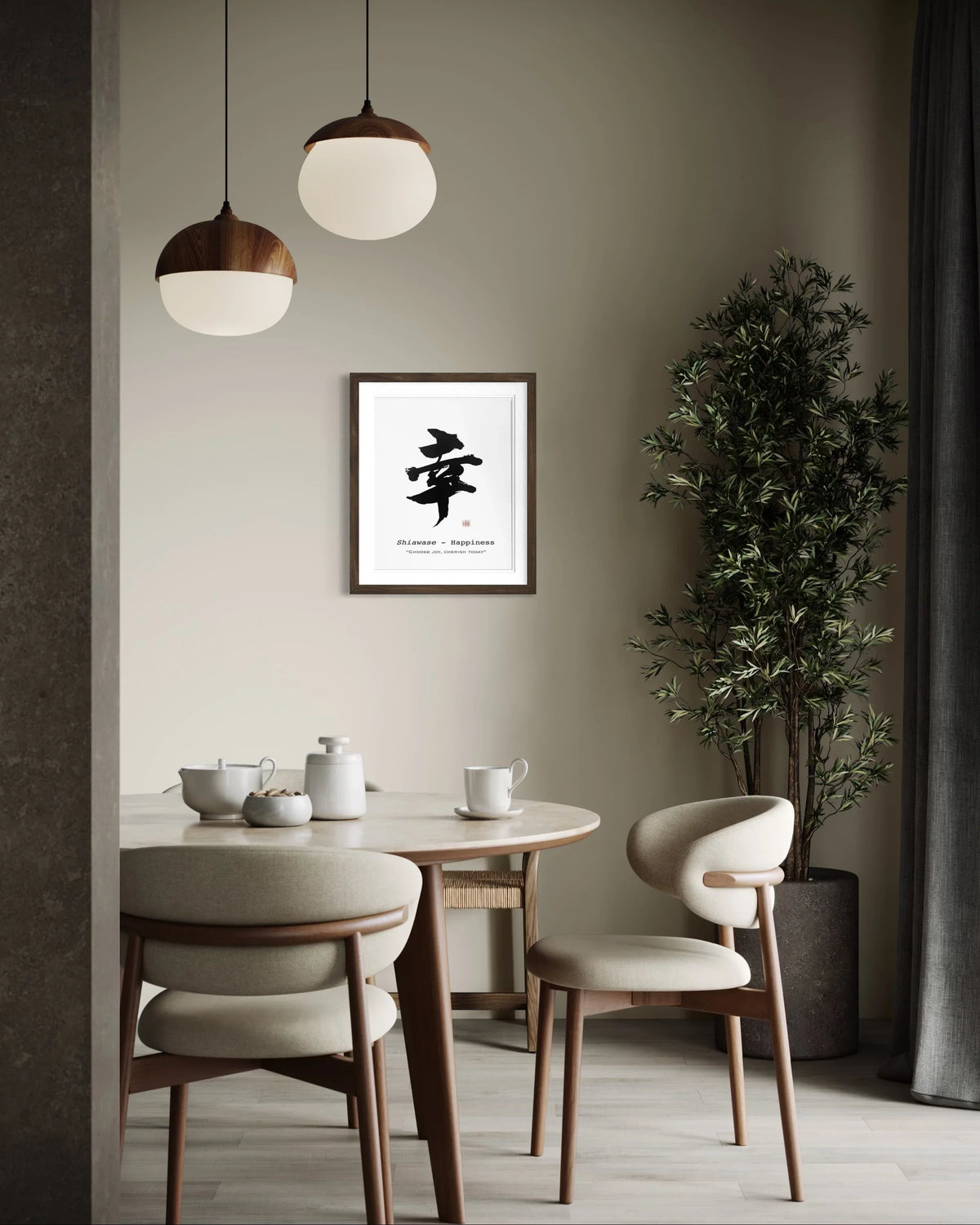
This is why Japanese calligraphy naturally fits within Japandi interiors. It is minimalist by nature, yet emotionally expressive.
The Scandinavian Influence: Warmth and Function
From Scandinavian design, Japandi borrows:
- Soft wood tones
- Clean lines
- Functional simplicity
- Cozy but uncluttered spaces
Wall art in a Japandi room should enhance warmth without overwhelming the space.
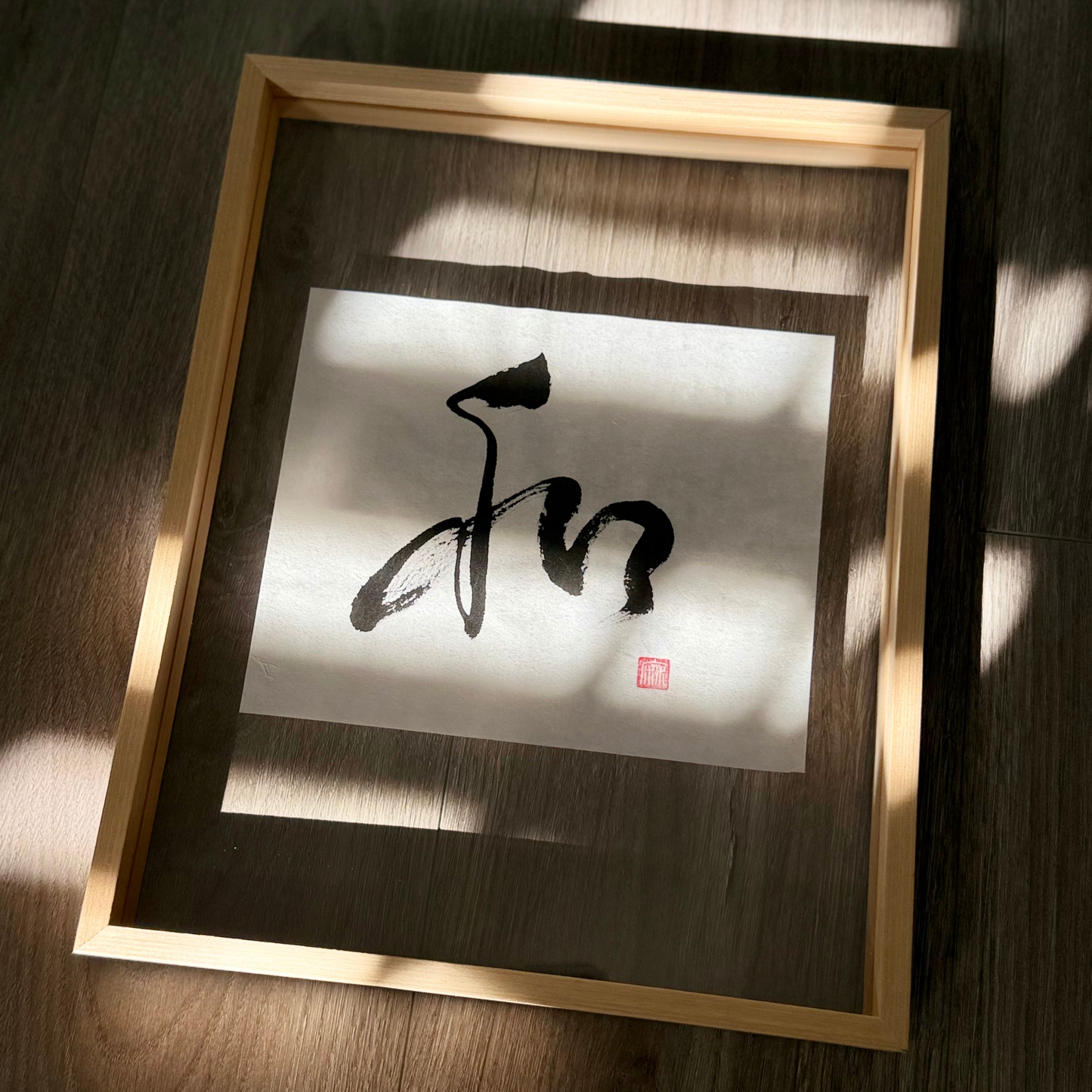
Think soft neutrals, natural paper textures, black ink on ivory — pieces that feel grounded and timeless.
How to Choose Japandi Wall Art
When selecting art for a Japandi interior, consider:
1. Simplicity Over Detail
Choose artwork with negative space and restrained composition.
2. Meaningful Symbolism
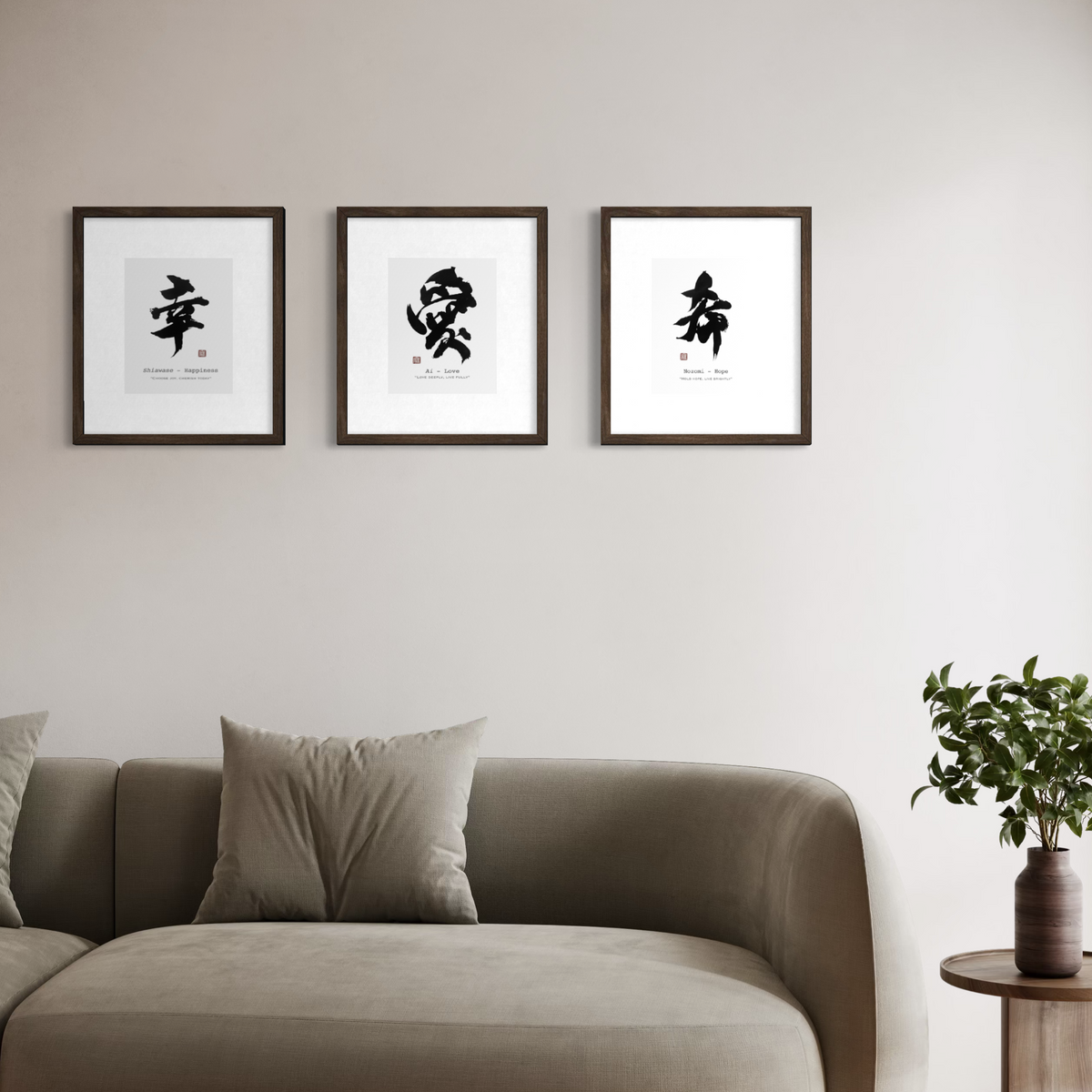
Japandi design values intention. A piece with thoughtful symbolism — such as a single Japanese character representing dream (夢) or love (愛) — brings quiet depth.
3. Natural Materials
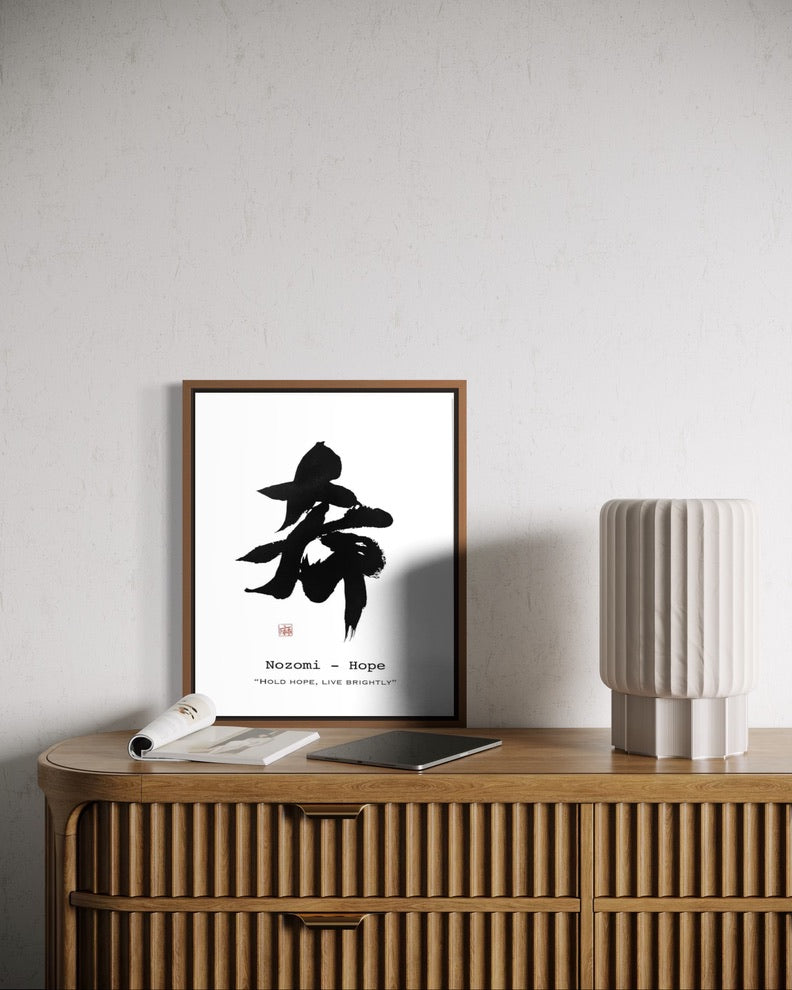
Textured paper, muted tones, and minimal framing align beautifully with Japandi style.
4. Balance Within the Room
Japandi wall art should complement furniture, not compete with it.
Japandi Wall Art for Living Rooms
In living spaces, Japandi artwork works best:
- Above a neutral sofa
- Paired with natural wood accents
- In sets of two or three minimalist prints
- With ample breathing room around the frame
The goal is harmony.
Not decoration for decoration’s sake.
Japandi vs Scandinavian Wall Art
While Scandinavian art can be playful or graphic, Japandi leans more restrained.
Japandi:
- More monochrome
- More negative space
- More rooted in philosophy
Scandinavian:
- Brighter tones
- Graphic patterns
- Often more decorative
Japandi is quieter.
Why Japanese Calligraphy Works Perfectly in Japandi Spaces
Japanese calligraphy is inherently minimal.
One brushstroke.
One word.
One moment.
It aligns seamlessly with Japandi interiors because both celebrate:
- Simplicity
- Balance
- Intention
- Stillness
A single ink character can anchor a room without overwhelming it.
Bring Japandi Calm Into Your Space
If you’re drawn to Japandi interiors, consider incorporating minimalist Japanese calligraphy prints into your home. Thoughtfully designed and made to order, these pieces bring quiet presence and meaning to modern living spaces.
Explore contemporary Japandi-inspired wall art here →