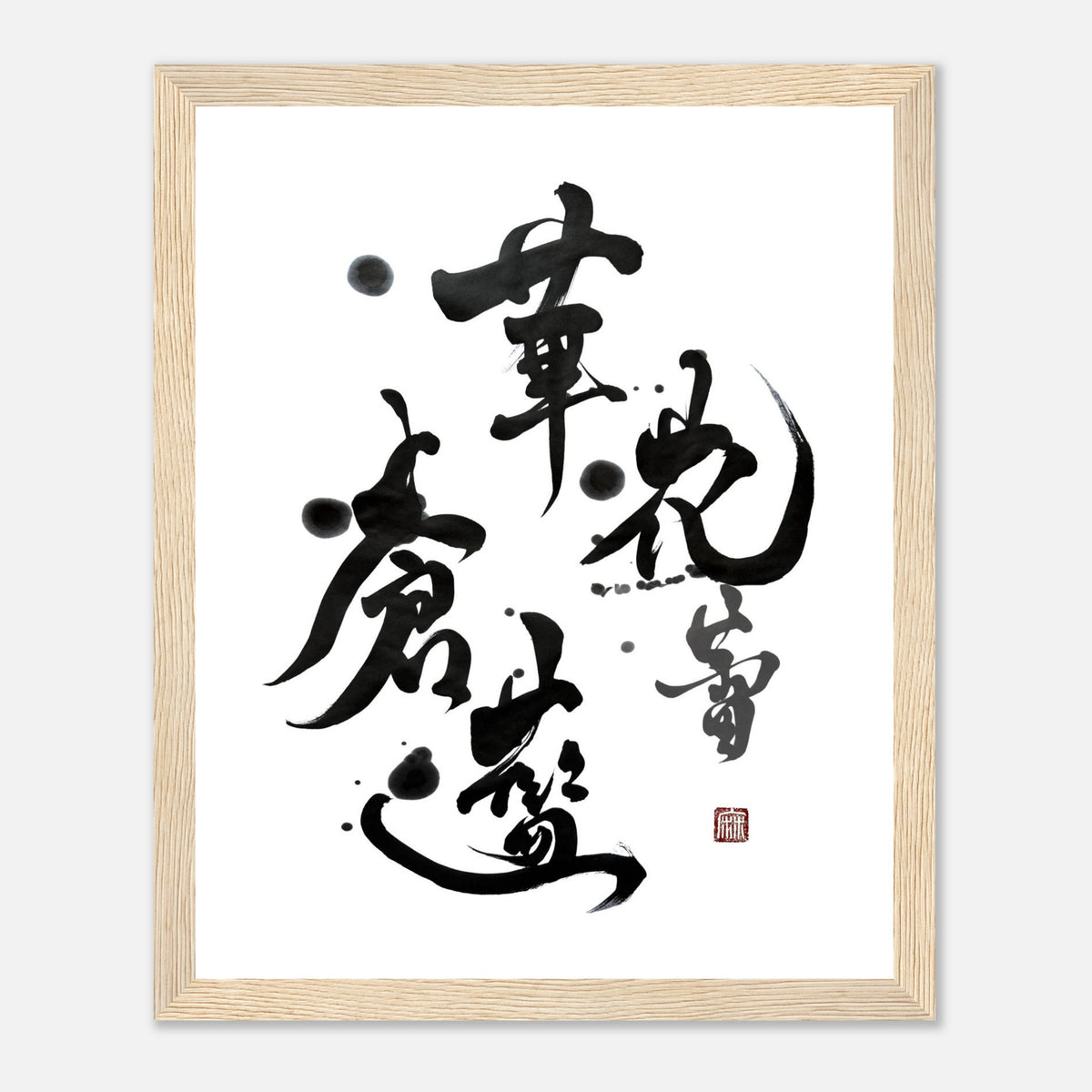
The Japanese Art of Returning to Practice
There is a particular kind of guilt that comes with abandoning a practice.
You stopped writing. Stopped moving. Stopped making. Life arrived with its urgency and the quiet things were the first to go. Now you are standing at the edge of something you used to know, and it feels farther away than it did before.
In Japan, this feeling has a remedy. Not a motivational one. A philosophical one.
稽古 (Keiko) — to reflect on the old
The word most commonly translated as "practice" in Japanese traditional arts is 稽古 — keiko. But the characters that form it carry a different meaning than simple repetition. 稽 means to reflect or consider. 古 means old, ancient, that which came before.
To practice, in the Japanese sense, is not to push forward. It is to return.
This reframing changes everything. You are not behind. You are not starting over. You are returning to something that has been waiting — patiently, without judgment — for you to come back.
The brush does not forget
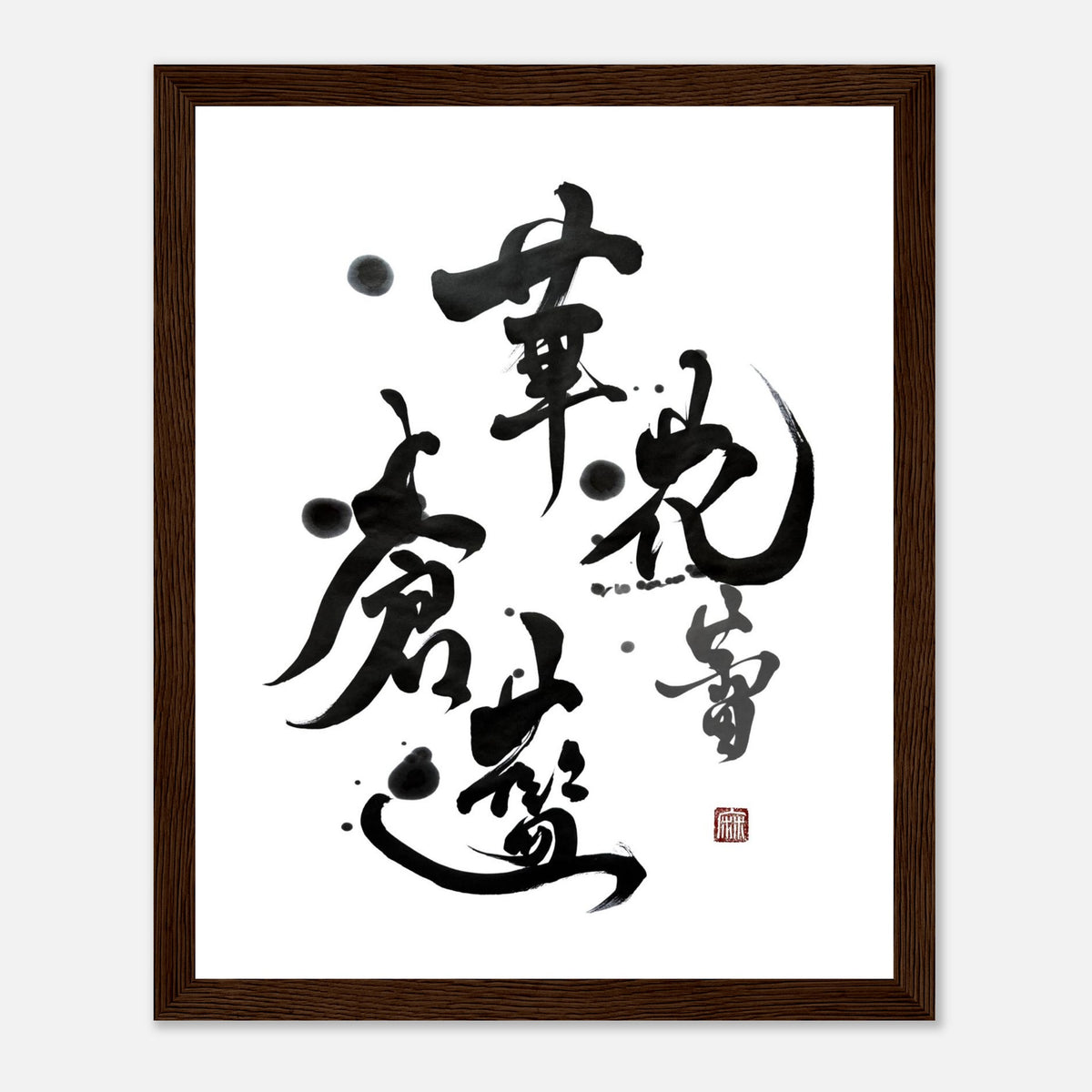
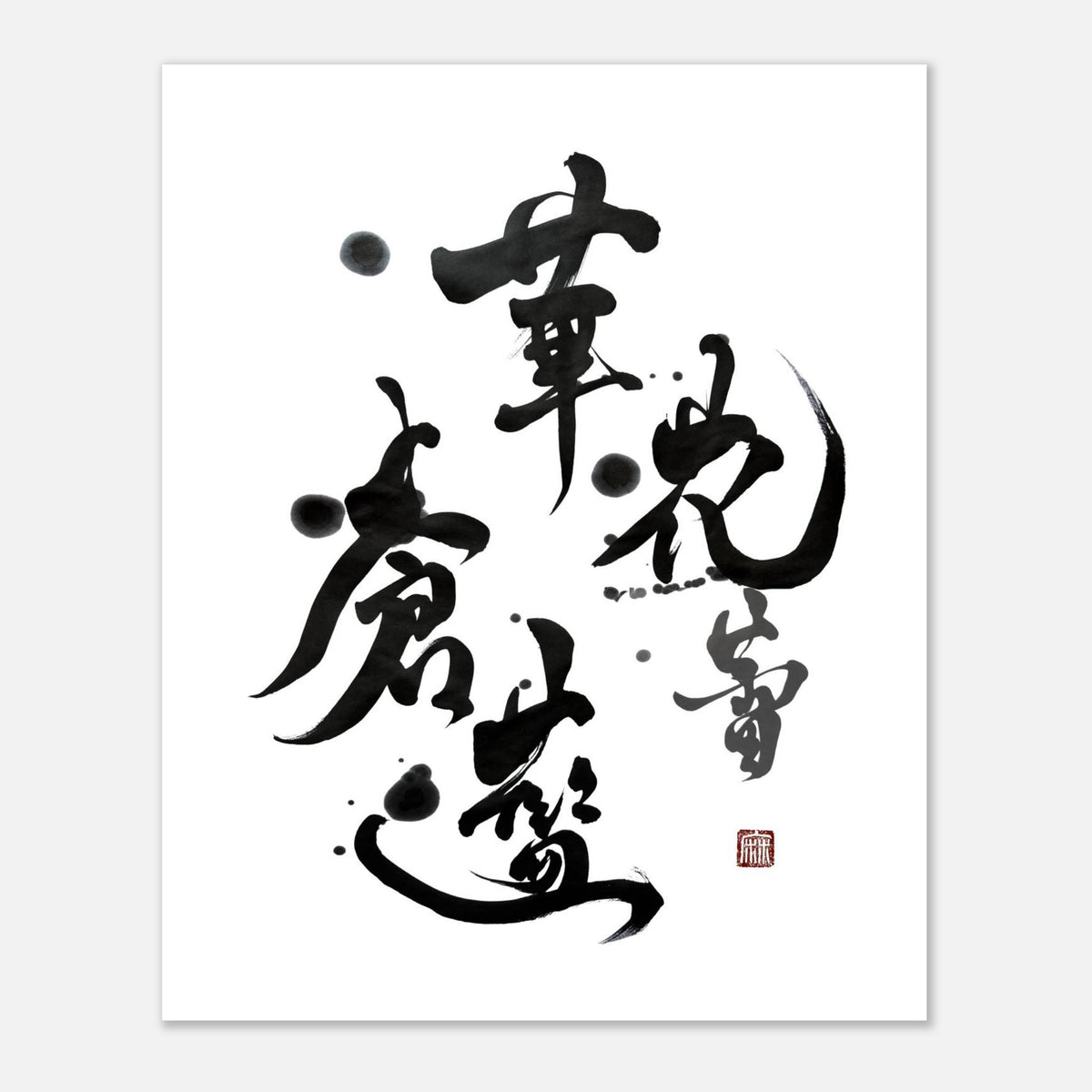
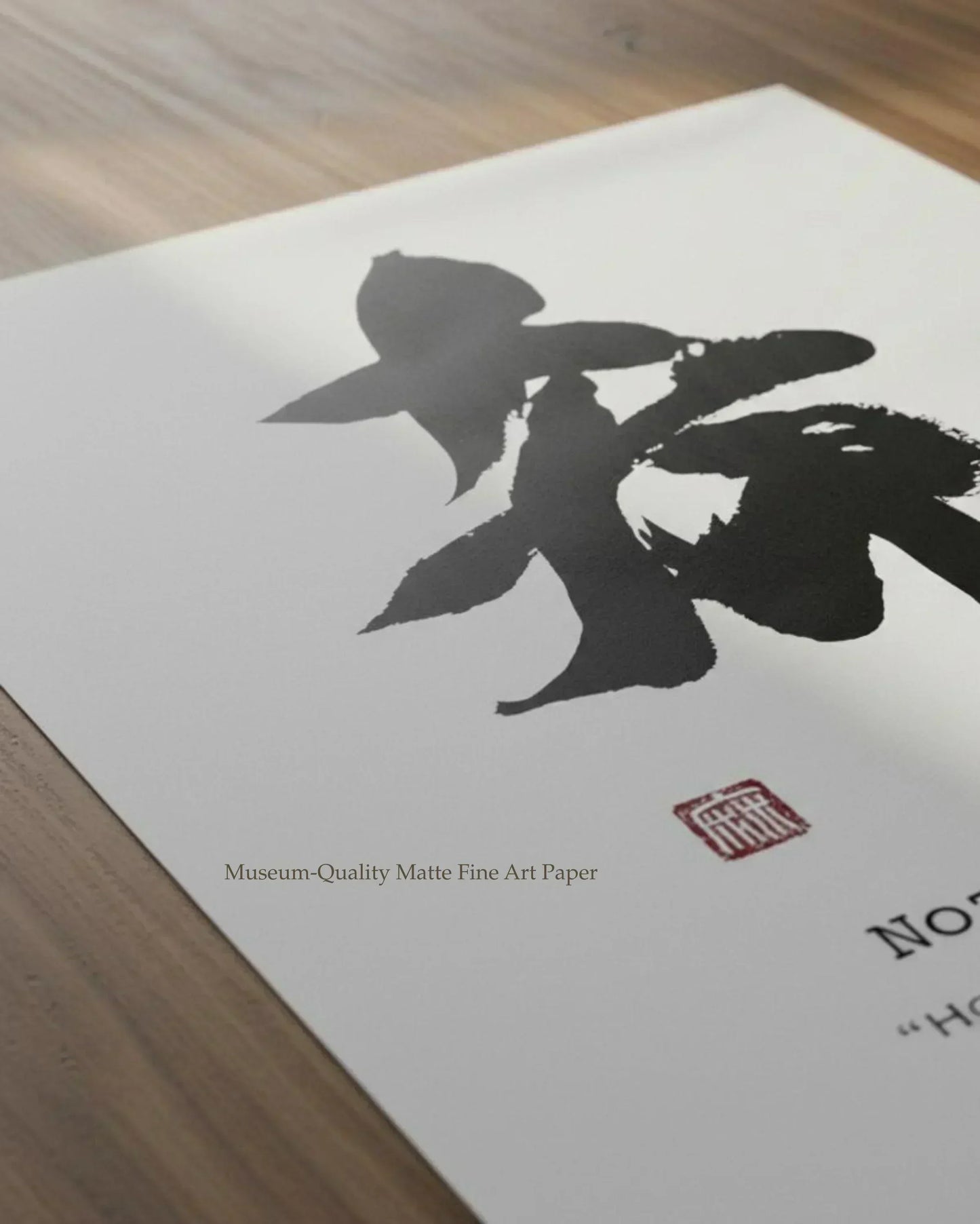
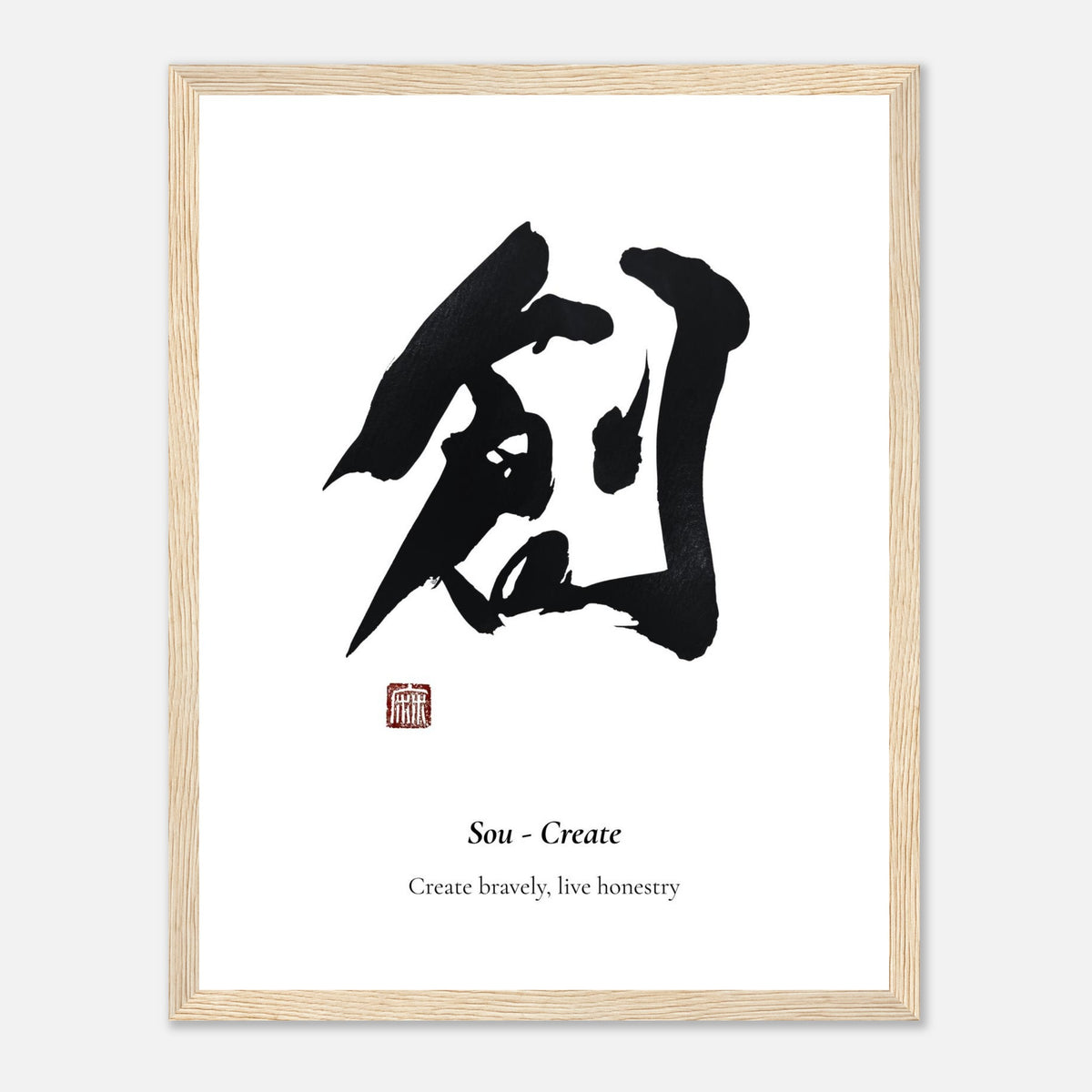
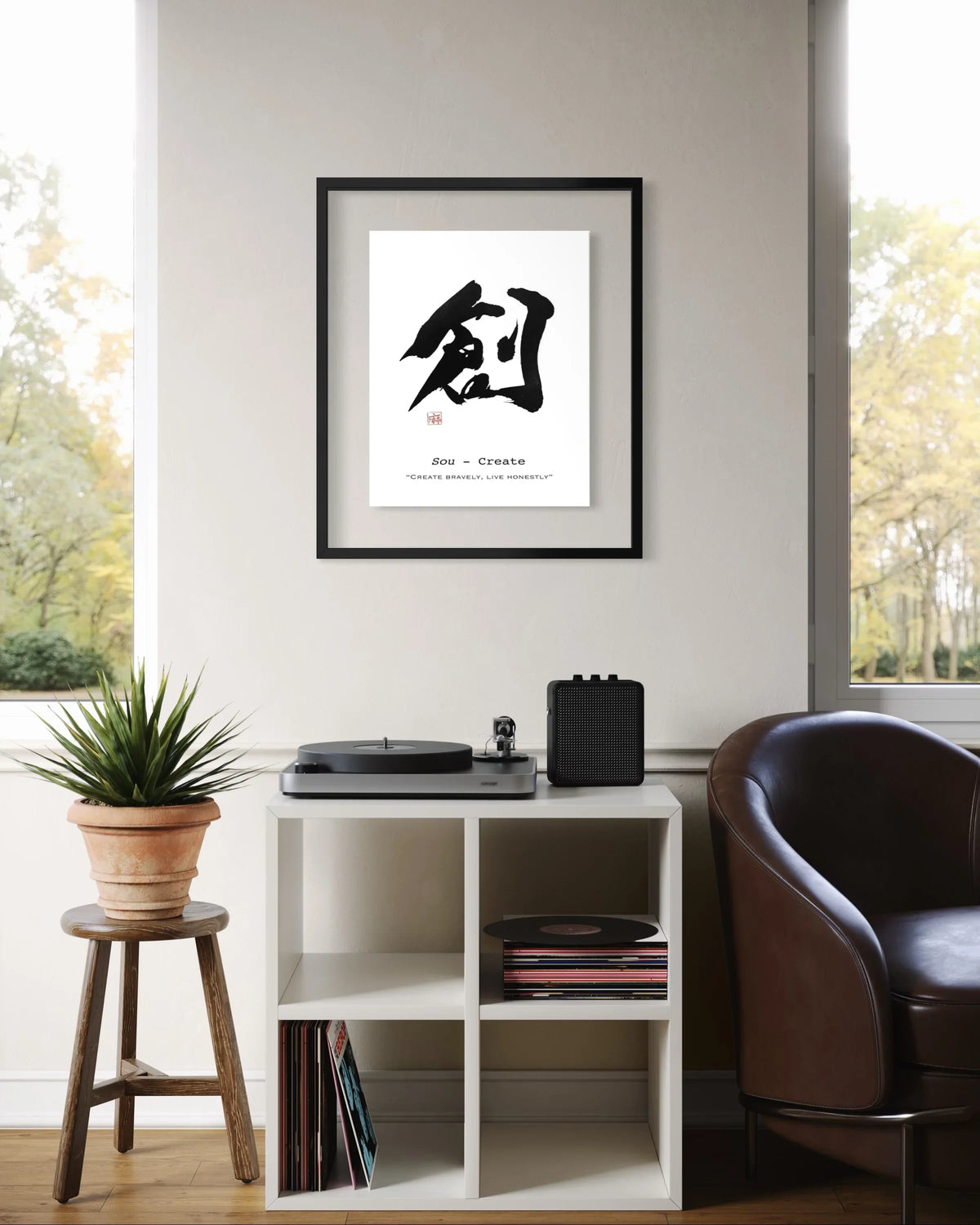
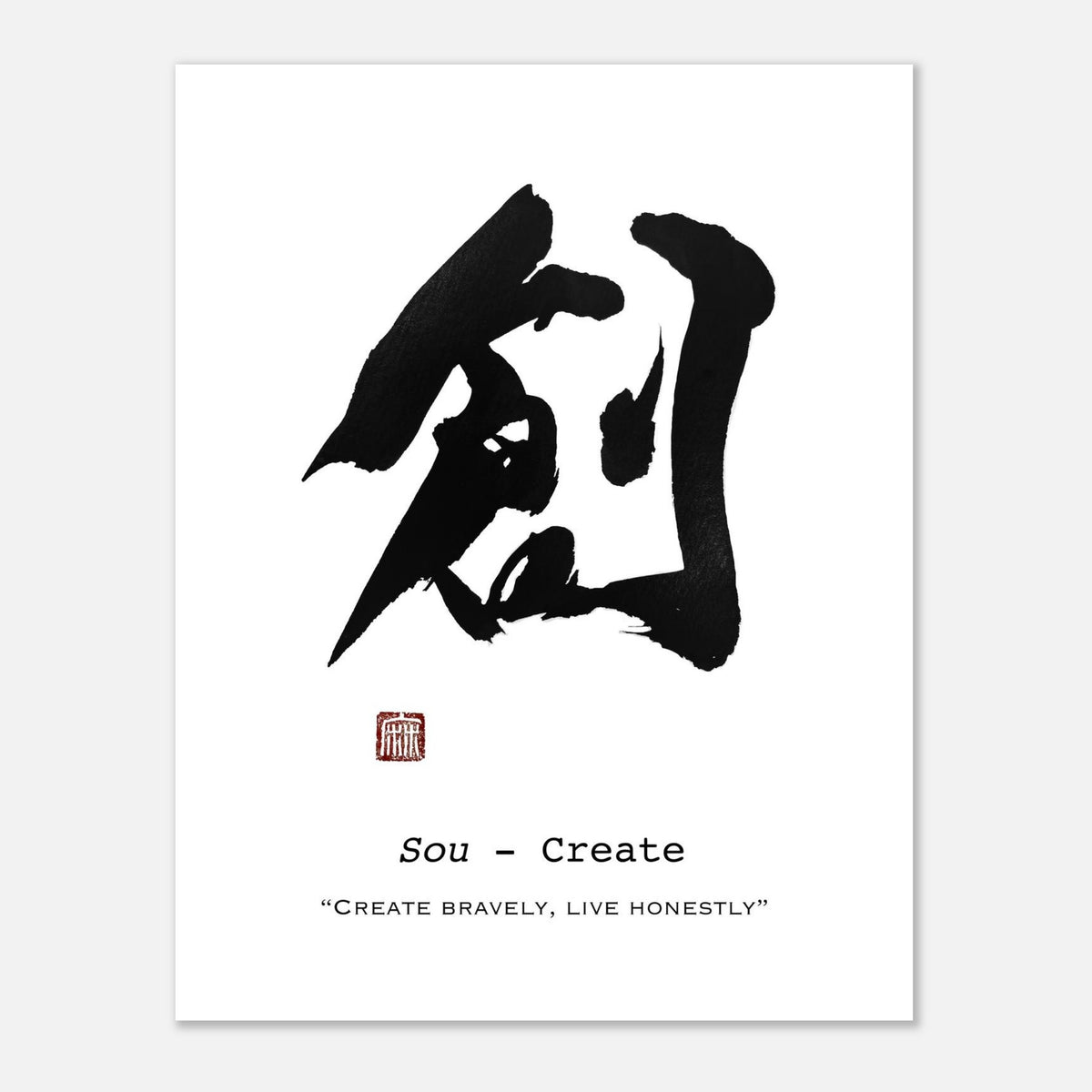
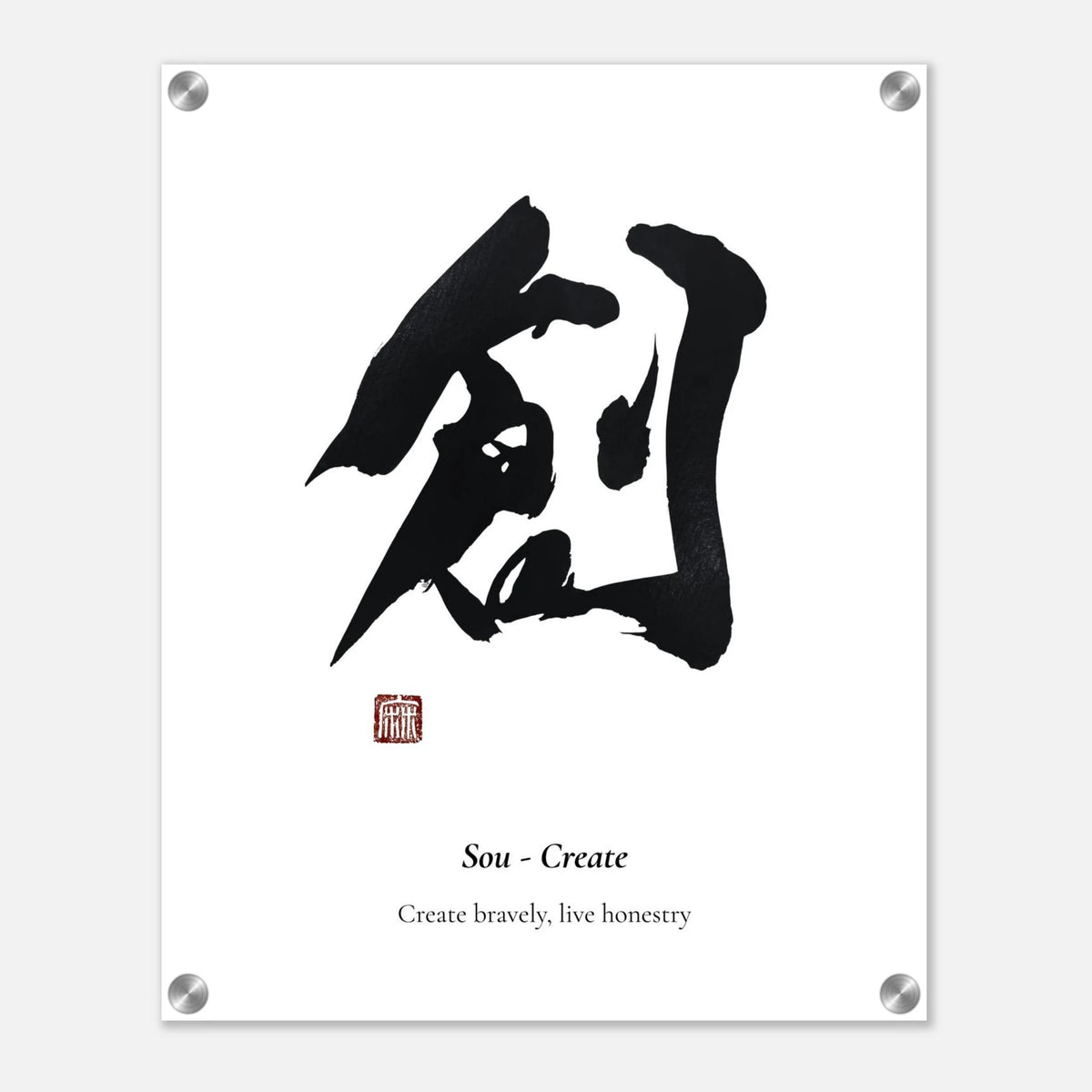
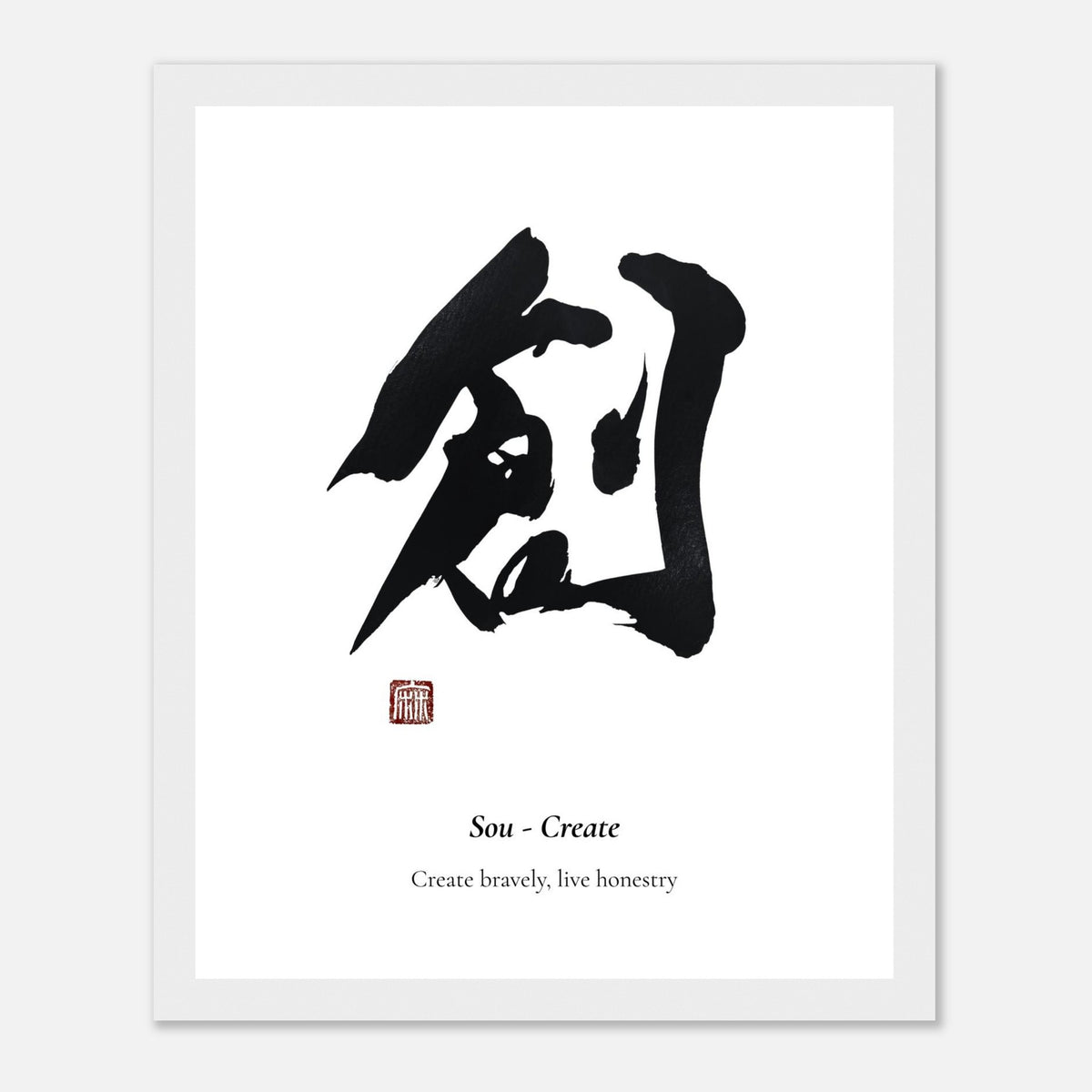
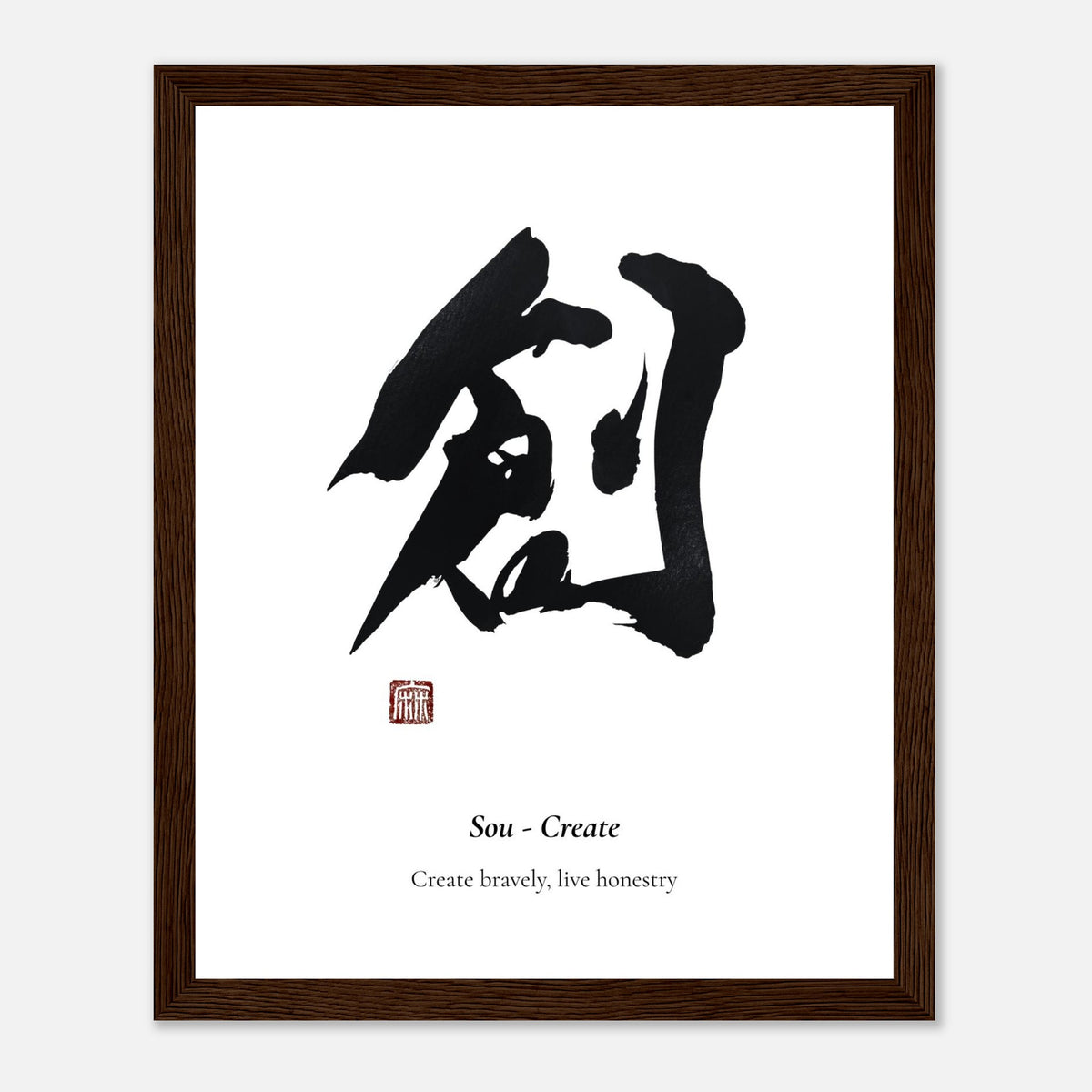
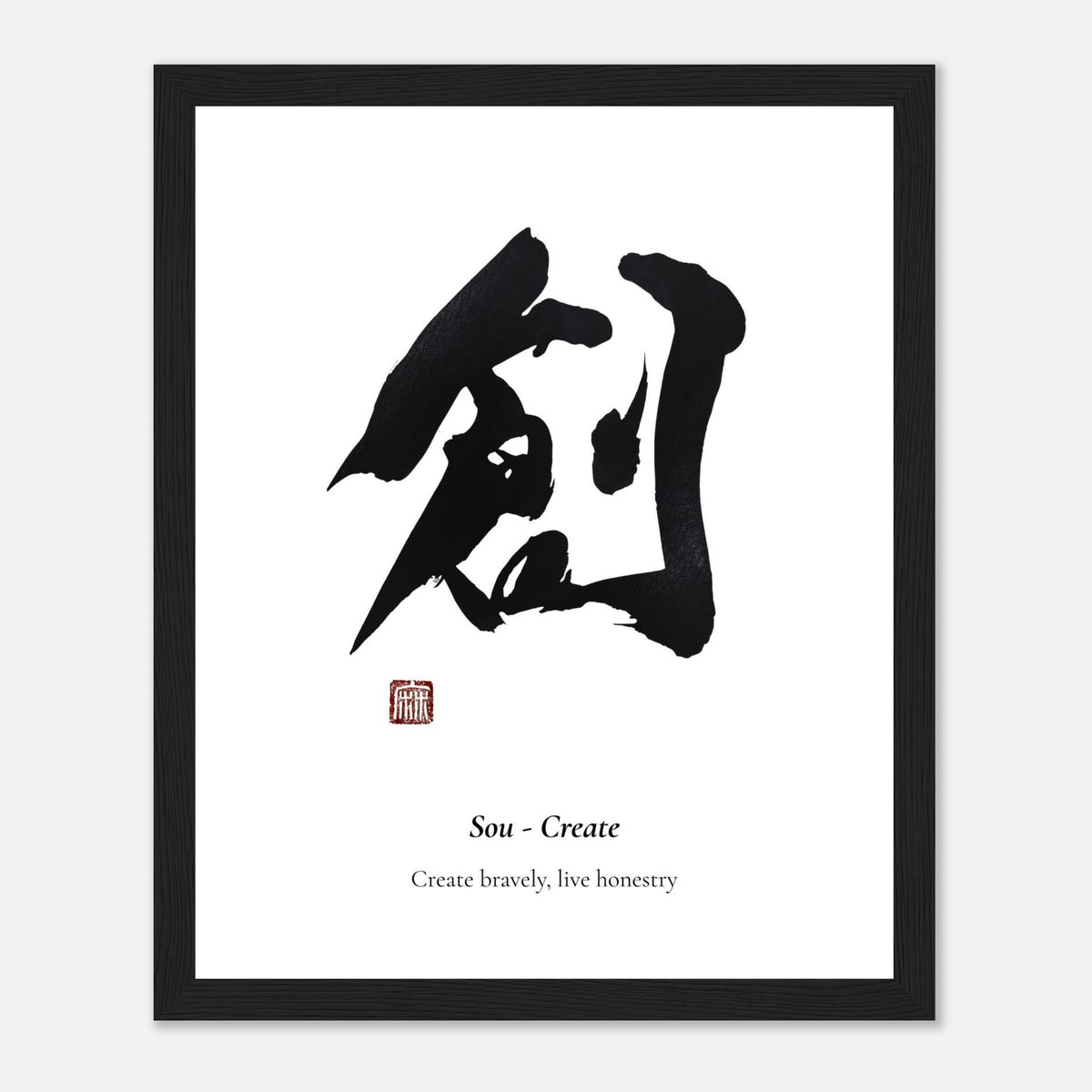
In Shodō, the way of the brush, students are taught that the body remembers what the mind forgets. A calligrapher who has not touched a brush in months will find, in the first few strokes, something familiar rising. Not perfection. Not where they left off. But a recognition — I have been here before.
This is why repetition in Shodō is never about achieving a correct version. It is about deepening a relationship. Each time you return to the same character, you arrive as a slightly different person. The character receives you differently. Something new is revealed — not because the kanji changed, but because you did.
Returning is not the same as starting
In Western creative culture, we tend to romanticise beginnings. The blank page. The fresh start. New year, new goals. There is beauty in that — but it places enormous pressure on the moment of beginning, and very little value on the act of continuing.
Japanese philosophy tends toward the opposite. The tea ceremony does not celebrate the first bowl. It values the ten-thousandth — made with the same attention, the same care, the same presence as the first. Possibly more, because now the hands know something the mind cannot explain.
Returning to a practice you have stepped away from carries the same quiet weight. You bring more with you than you think. The absence itself has taught you something — about what you missed, about what the practice gives you that ordinary days do not.
How to return, without ceremony
The Japanese concept of 一歩 (ippo) — one step — offers a practical entry point. Not a full return. Not a grand recommitment. Just one step back toward the thing you love.
Pick up the brush. Open the sketchbook. Write one line. Not to create something finished. Simply to remember that you can.
静 (sei) — stillness — is often where returning begins. Not action, but readiness. The breath before the stroke. The moment of being present with the practice before asking anything of it.
You do not need to earn your way back. You simply need to begin again, quietly, without making it mean too much.
The practice was never gone
What I have learned from years of returning to Shodō — after busy seasons, after doubt, after the kind of exhaustion that makes everything feel far away — is this:
The practice does not leave. It waits.
It is not disappointed in your absence. It has no expectations of consistency, of output, of progress. It simply holds the space, the way a room holds light even when no one is in it.
When you return, it receives you.
That is enough. That has always been enough.
静 — BrushForma prints for the ones who return to stillness. Explore the collection →